
News
Global research community comes together for 37th MND Symposium
12 March 2026
Biggest annual conference dedicated to MND research in the world will be held in Amsterdam this December.
Support
Tofersen update: new fund supports travel costs
10 March 2026
We’ve introduced a new support fund to help people who are having to travel out of their area to receive drug tofersen.

Blog
Government commits to faster social care access for MND
6 March 2026
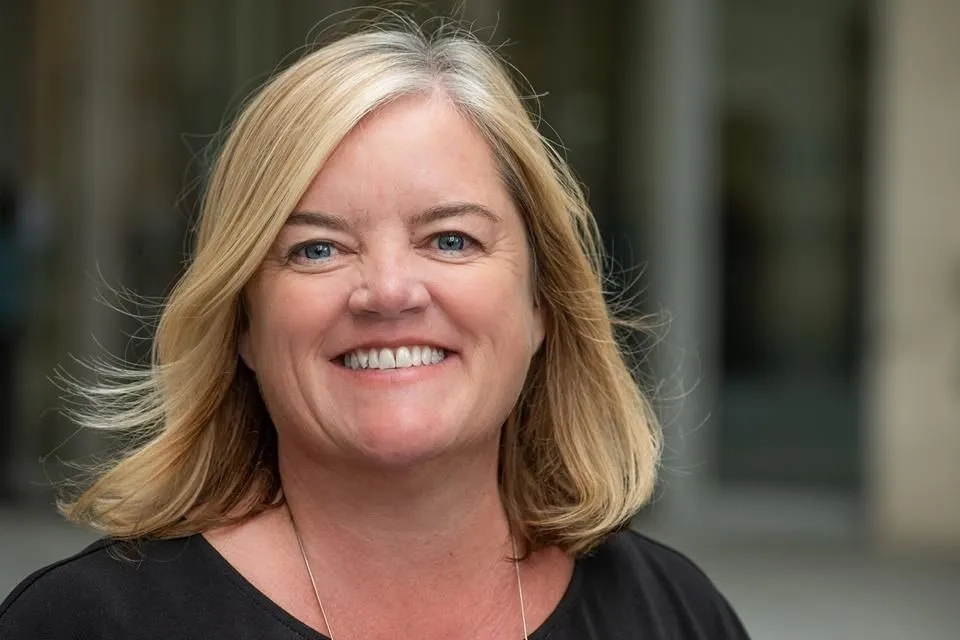
Our Director of Engagement, Richard Evans, describes our ongoing work with the Casey Commission.
Campaigns
Fast-track 'passports' proposed for people with Motor Neurone Disease
5 March 2026
We helped shape policy recommendations announced on 5 March by Baroness Casey, chair of the Independent Commission for Adult Social Care.
News
Results announced by UK trial MND-SMART, co-funded by MND Association
3 March 2026
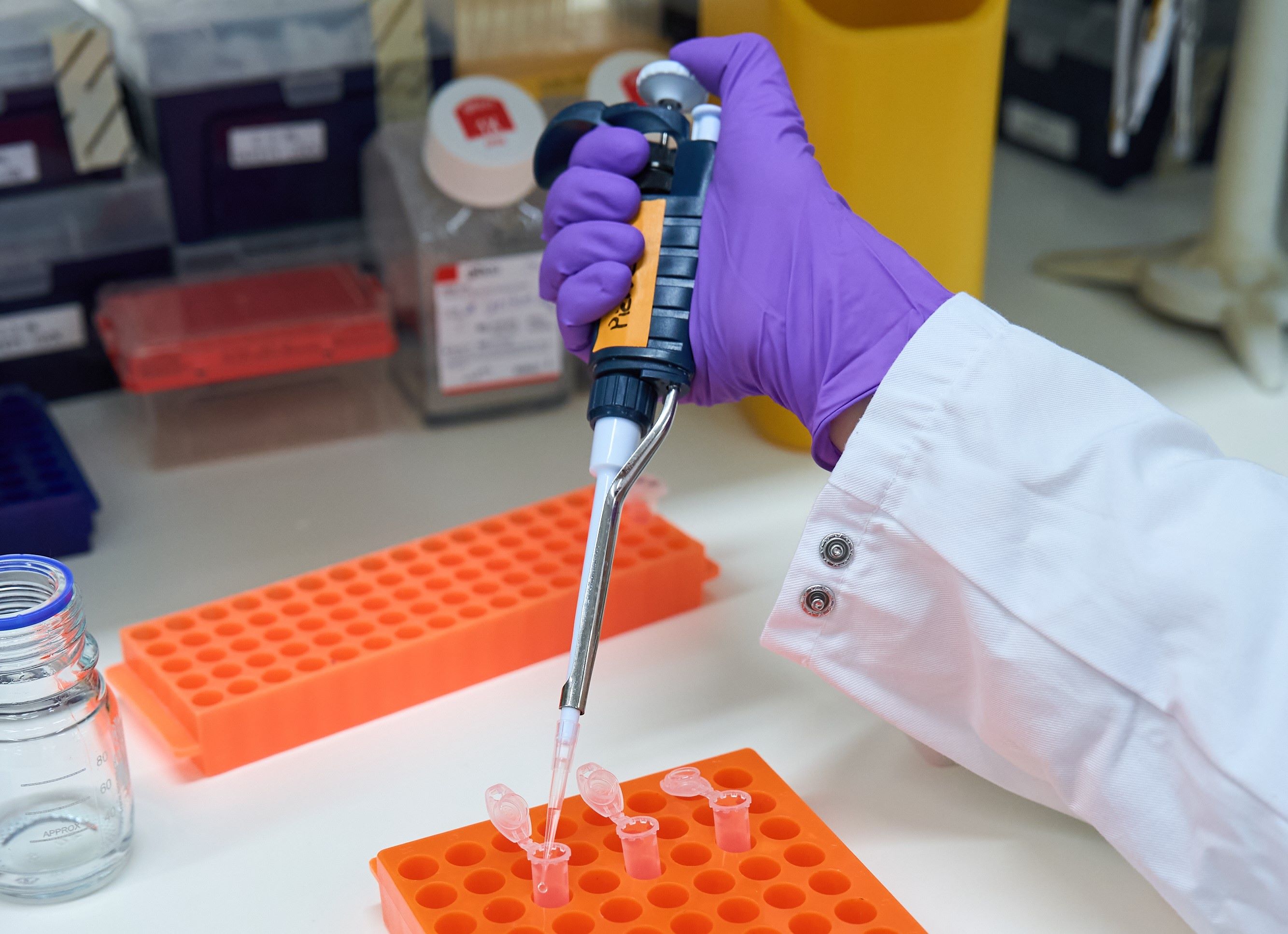
Latest results of the trial of the drug amantadine have been released by the team at MND-SMART
News
Welsh politicians urged to pledge time for MND
26 February 2026
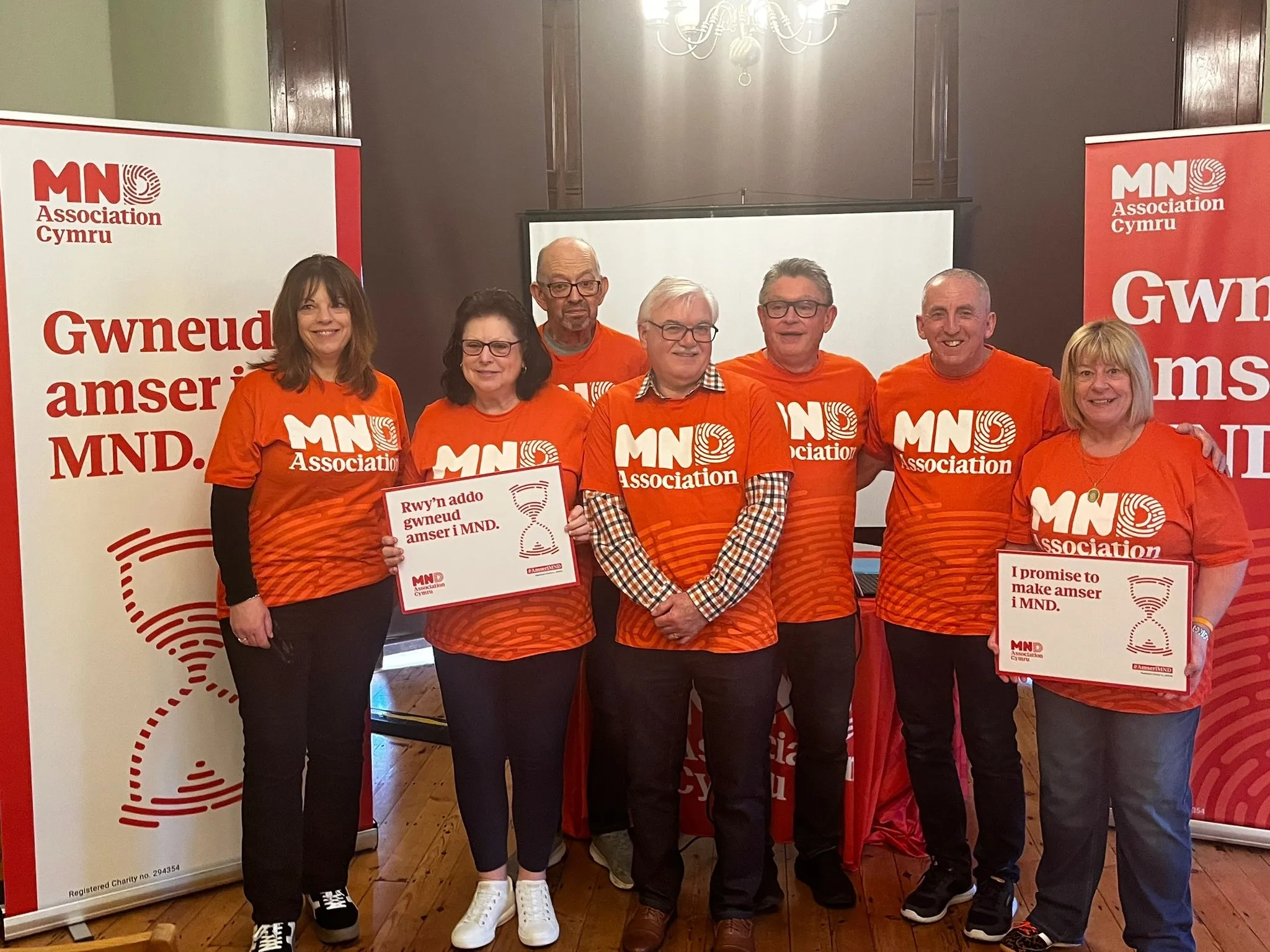
Help us make Amser i MND in the upcoming Senedd election

Research
MND Association trebles funding for MND-SMART trial
12 February 2026
We have now committed £1.5 million over five years to MND-SMART, increasing our contribution from the £0.5 million originally planned to ensure the trial continues at pace.
News
Tofersen update
6 February 2026
We will continue to consider local campaigning in areas where people with SOD1 MND are unable to access tofersen

News
Make every pound matter with payroll giving.
4 February 2026
Payroll giving is a quick, efficient way to support people with MND