9 December 2025 News
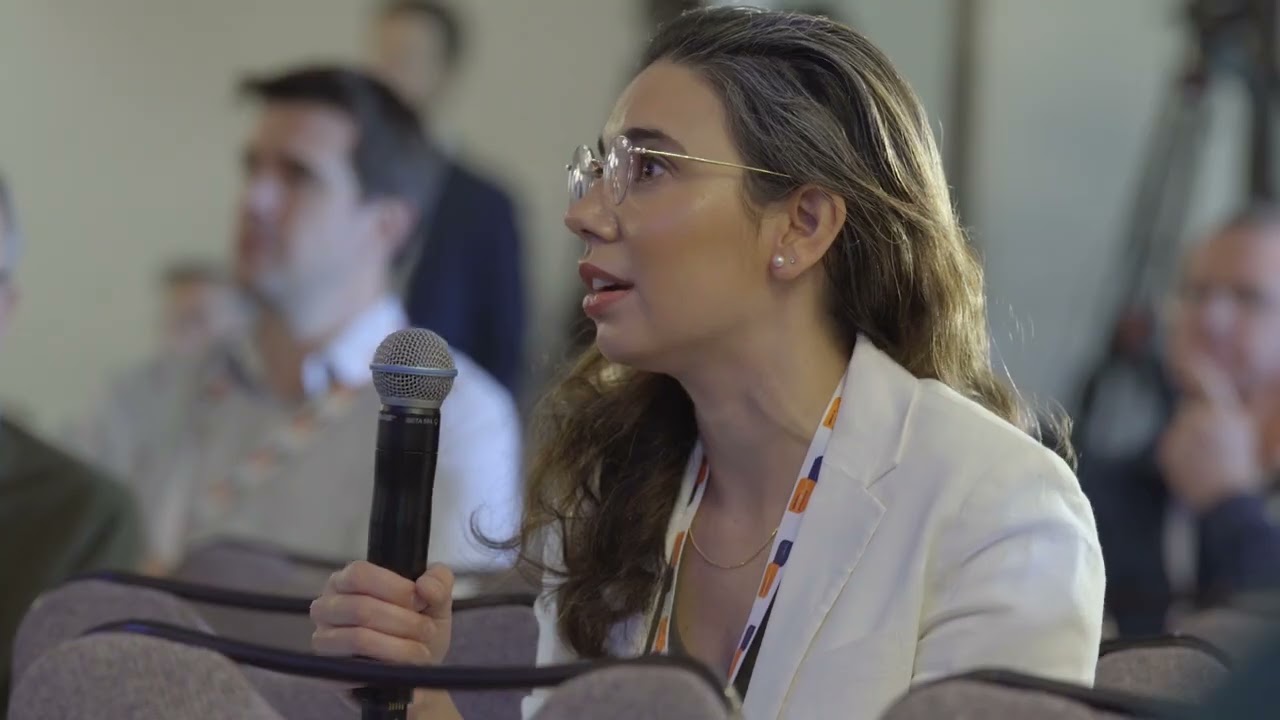
The 36th International Symposium on ALS/MND, the largest medical and scientific conference on MND in the world, has come to an end and delegates have headed home after three days of learning, sharing and collaboration.
This year, as every year, researchers have come together to showcase progress in MND research. The more opportunities scientists have to work together, the quicker our progress on understanding and treating this disease will be. The Symposium is a vital part of that process.
The Association welcomed more than 1,000 delegates from over 40 countries who listened to over 250 speakers on 24 key themes. Within the delegate number we welcomed 22 Patient Fellows from the programme run by the International Alliance on ALS/MND to ensure people affected by MND can attend the Symposium. A virtual streaming element also meant you didn’t have to be there in person to be there!
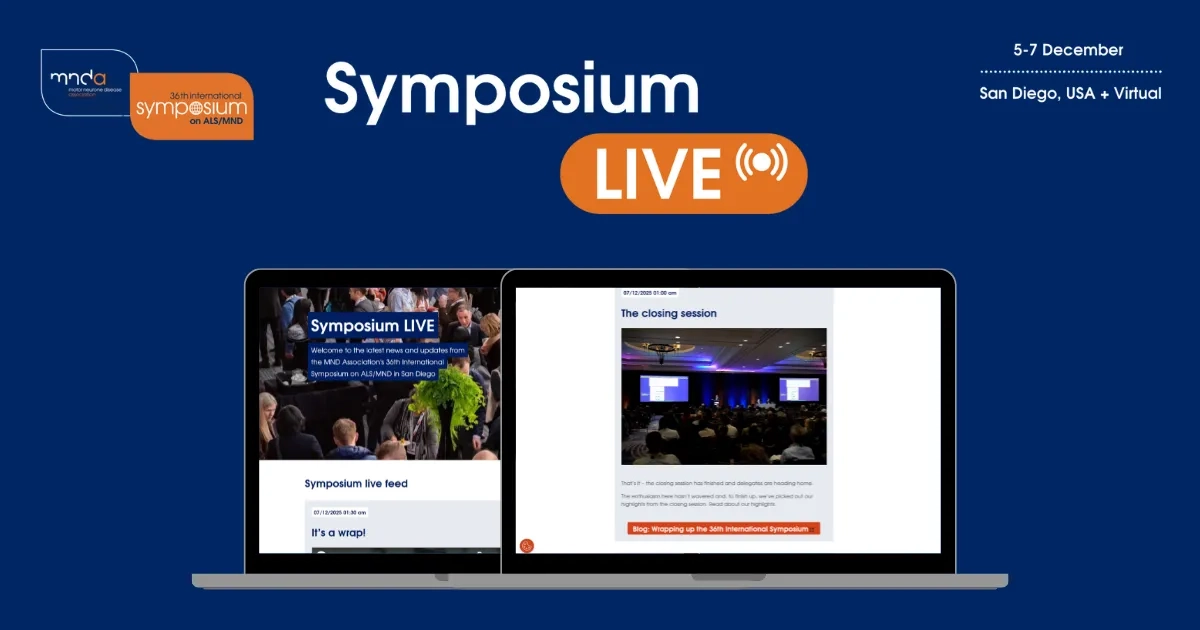
The event involved lively discussion and debate - new alliances were formed, and updates from around the world shared. And in case you missed it, for the first time this year we brought live news and updates directly to you via Symposium LIVE! This is a new initiative to give everyone at home a flavour of the research going on as it was being discussed at the Symposium, and in simple language. For a retrospective glimpse into the event, take a look.
This is my first Symposium and I'm astounded by the sheer amount and quality of science and clinical research that was shared on this international platform. With a focus on collaboration and networking, and by working together and sharing knowledge, we will accelerate the search towards a cure. We've heard some fantastic talks, welcomed delegates from all over the world and I'm excited to see what’s to come out of the new collaborations made here this year.
Dr Mike Rogers, Director of Research Innovation at the MND Association
The Stephen Hawking lecture was as exciting as we’d hoped...
In the ‘Mini Brains and Space: Unlocking the Secrets of Brain Development and Aging’ talk, Professor Muotri from the USA urged the community to consider applying ‘out of the box’ thinking. He described how he’s using a technique and technology which exposes ‘mini-brains’ (small, 3D laboratory-grown clusters of cells that mimic aspects of the early human brain) to microgravity and radiation in space. The aim is to understand how the harsh space environment accelerates the aging of neural cells and contributes to neurodegenerative diseases like MND.
Applied to MND research, strategies like this could help uncover more about what happens in the brain before and during the disease – which in turn might uncover new targets for potential treatments.
Introducing the first ever PLS session
For the first time ever, we ran a session dedicated to research into Primary Lateral Sclerosis (PLS), a rare form of MND that affects three percent of people with MND. Several speakers from across the world came to deliver this session, speaking about the biological profile of PLS and understanding why it mostly affects the upper motor neurones and progresses slower than ALS. They gave updates on the diagnostic criteria and its overlap with frontotemporal dementia, biomarkers, outcome measures and more.
The session ended with the launch of two PLS prizes to encourage further movement in discovery science and clinical innovation in PLS.
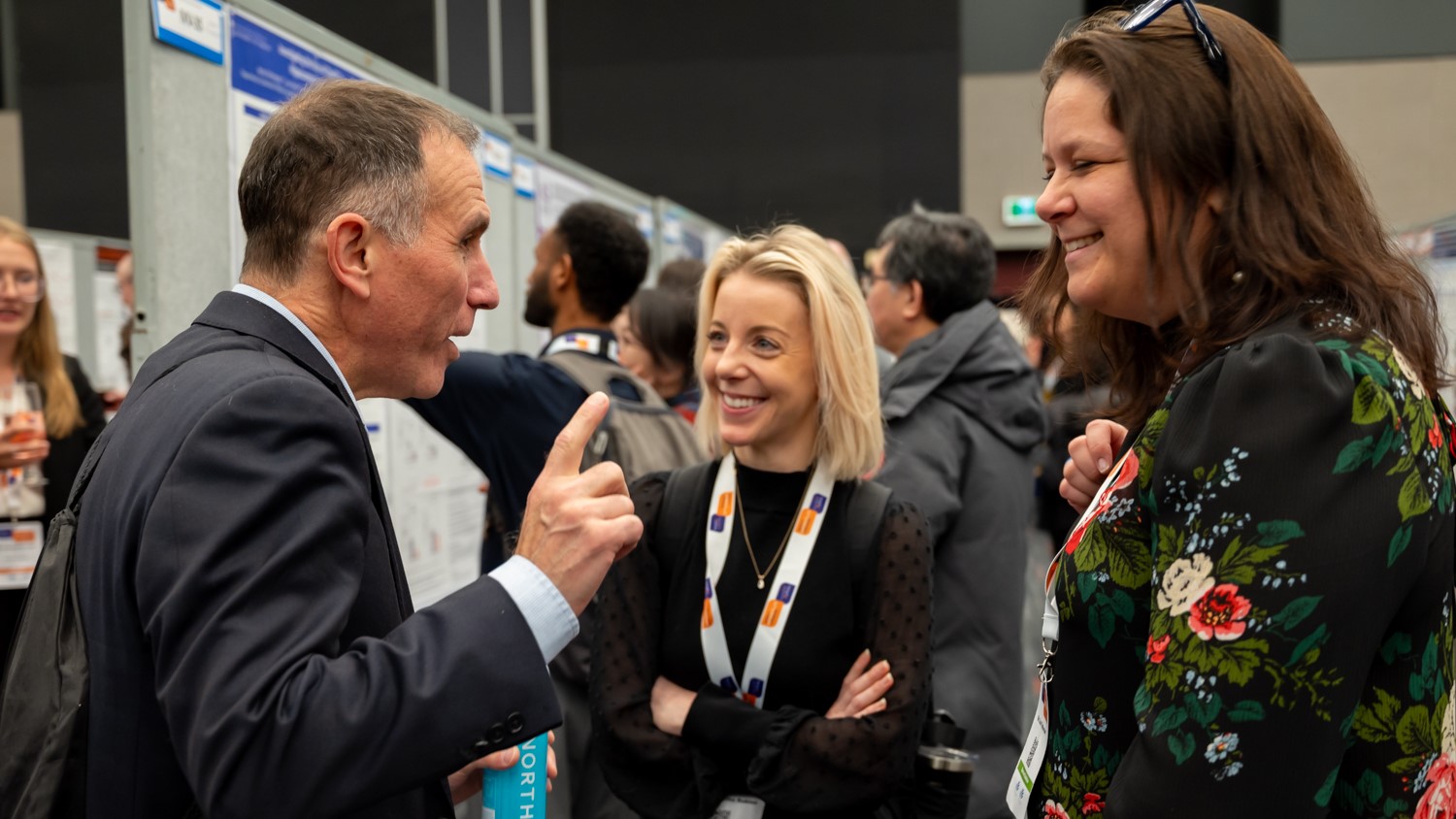
Poster sessions in full flow
Once again, the poster sessions were very popular with over 300 posters on display, each highlighting a special area of MND research with topics ranging from healthcare to biomarkers to clinical trials. Posters were presented by students and fellows right through to leading clinicians and healthcare professionals. Delegates showcased their work and took the chance to learn about the work of their peers and leaders in the field. These sessions create a vibrant space for exchange of knowledge and opportunities for collaboration and discussion.
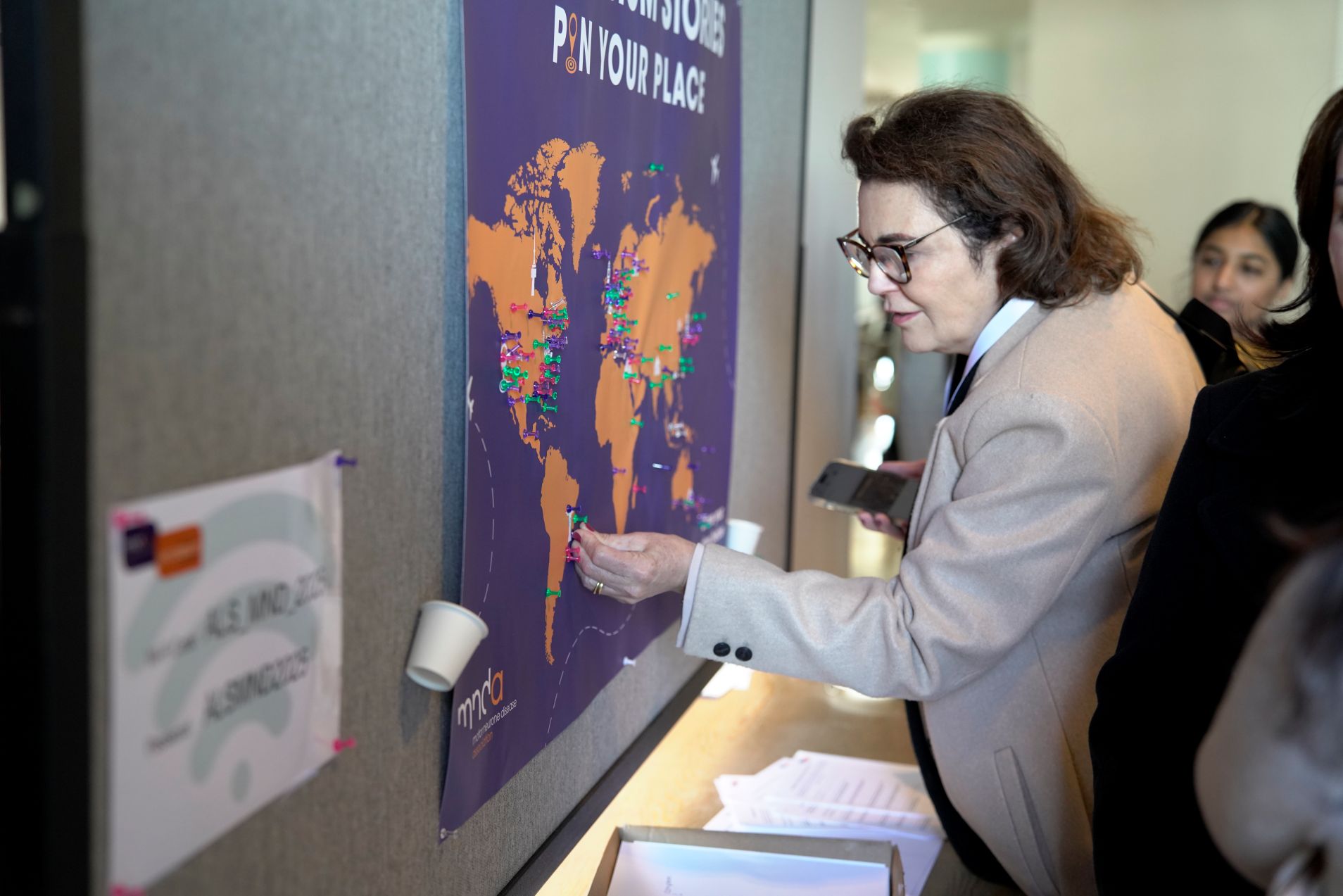
Symposium Stories
In another ‘first’, this year we introduced delegates to our Symposium Stories initiative. The aim of this is to collect stories of big ideas and collaborative projects that have come out of a connection made at a Symposium to showcase the global impact that the event has on MND research. We saw from this year’s map where delegates came from and are looking forward to hearing Symposium Stories around the collaborations they’ve built at Symposiums past and present.
The International Symposium was proof of just how fast the pace of discovery is going as we move ever closer to effective treatments for MND. Each project highlighted contributes to the larger puzzle we are all involved in solving.
Preparations are already underway for next year’s 36th International Symposium on ALS/MND which will be held in Amsterdam, The Netherlands in 2026.