
Living with MND or Kennedy's disease often means getting support from different health and social care professionals. They work together to help you manage symptoms, stay as independent as possible and support your wellbeing.
The care you receive will depend on your needs. Some people may only need support from a few professionals, while others may receive care from a larger team as their needs change.
This page explains the different types of care available, who provides it and how to access support.
Select from the following options or search for content by need with our:
Care information finder
“We see so many professionals. We have a list on our fridge – there are around 20 of them: consultant, palliative care, occupational therapist…”
Who might be involved in your care?
There are many health and social care professionals who can support you if you have MND or Kennedy's disease. Which professionals you see will depend on your needs.
As MND is a rare condition, it's helpful to see professionals with experience of supporting people affected by MND whenever possible. These specialists are usually linked to neurology services.
Our Types of care booklet explains the different types of support available.
Depending on your needs, you may receive care from the following professionals:
Primary and community care
These are often the first professionals you'll meet. They provide day-to-day healthcare, monitor your general health and help co-ordinate access to other services.
GP (General Practitioner)
Your local doctor is usually your main medical contact. They can diagnose health problems, prescribe medicines, refer you to specialists and help co-ordinate your care. They can also support family members and carers.
Community or district nurse
A local nurse who works closely with your GP and can provide home visits as your needs change. They can help with medication, monitor symptoms, arrange some nursing equipment and advise on local services.
Pharmacist
A professional who provides prescribed medicines and advice about taking them. They can also suggest suitable formulations such as liquid medicines, if swallowing becomes difficult.
Multidisciplinary care
Many people with MND or Kennedy's disease receive support from a multidisciplinary team (MDT). These professionals work together to help manage symptoms, maintain independence and co-ordinate your care.
Consultant neurologist
A doctor who specialises in conditions affecting the brain, spinal cord, nerves and muscles, including MND and Kennedy's disease. They oversee diagnosis, treatment and specialist care.
Other consultants
Depending on your needs, you may also see other specialist doctors, such as a respiratory consultant if you develop breathing problems.
Specialist nurse
A nurse with specialist knowledge of conditions such as MND, usually in a relevant field such as neurology. They provide advice, support and help to co-ordinate your care.
MND care co-ordinator
Your main contact at an MND care centre or network. They help co-ordinate appointments and make sure you can access the right services and specialists. Similar roles may also be available in other neurology teams.
Dietitian
A nutrition expert who can provide advice on eating well and maintaining your weight, especially if swallowing becomes more difficult. Dietitians often work closely with speech and language therapists.
Speech and language therapist (SLT)
A therapist who can help with speech, communication and swallowing difficulties. They can suggest ways to make eating and drinking easier, recommend communication aids and provide therapy and advice. If there is a waiting list or you cannot get the communication aid you need through the NHS, our Communication Aids Service may be able to help. MND Connect can provide more information.
Physiotherapist
A therapist who can help you manage stiffness, cramps, fatigue and movement. They can advise on suitable exercise, stretching and positioning, and suggest ways to reduce the risk of falls. While exercise cannot reverse muscle weakness caused by MND, it can help keep unaffected muscles and joints as healthy and flexible as possible.
Occupational therapist (OT)
A therapist who can help you stay as independent as possible. They can recommend equipment, suggest adaptations to your home and advise on different ways to manage everyday activities.
Respiratory specialist
A member of a respiratory team, such as a respiratory consultant or respiratory physiotherapist. They assess your breathing, monitor any changes and advise on therapies and treatments, including assisted ventilation (mechanical breathing support) if appropriate.
Counsellor or psychologist
A specialist who can help you cope with the emotional and psychological impact of living with MND. Your GP or another member of your healthcare team can refer you. They may also provide support if changes in thinking or behaviour develop. Waiting times can vary for this type of referral, but hospices, palliative care services and social workers may also offer counselling as part of their support.
Complementary therapist
A specialist who provides therapies that some people find helpful alongside their medical care, such as massage, acupuncture or reflexology. These therapies cannot treat MND but may help some people relax or manage stress and anxiety.
Palliative care specialist
A professional who supports people living with life-shortening conditions by helping manage symptoms and improve quality of life. They can also provide emotional, practical, social, spiritual and psychological support for you and those close to you.
Wheelchair services
NHS professionals who assess your seating and mobility needs, and arrange suitable wheelchairs when needed.
Adult social care
Social worker or care manager
A professional who helps you access social care services and practical support. They can carry out a needs assessment, arrange care services and support carers through a carers' assessment.
Care worker or care agency
A professional who can provide practical support with everyday activities, such as washing, dressing, preparing meals and moving around safely. Care may be arranged through your local authority, the NHS or a private care agency, depending on your needs and circumstances.
Personal assistant
A personal assistant provides one-to-one support with daily living and personal care. They are usually employed directly by the person receiving care, often through a direct payment or personal health budget (PHB), giving greater choice and control over how support is provided.
Occupational therapist (OT)
See also previous heading for Multidisciplinary care. An OT often works within adult social care, especially when assessing if a person's home or environment needs changes if they are ill or disabled. This is often the case when someone seeks a Disabled Facilities Grant (DFG) for an adaptation or installation. See our information sheet: 10C Disabled Facilities Grants (DFGs) and home accessibility.
Benefits adviser
A professional who provides advice about benefits and financial support. They can help with applications and may ask members of your healthcare team for medical evidence if needed to support a claim. Our Benefits Advice Service can also help people living with MND and their carers.
Search online for government information for England and Wales at gov.uk or for Northern Ireland at nidirect.gov.uk.
MND Association support
Regional staff and volunteers
Our regional staff and trained volunteers are here to support you and the people close to you. They can offer information, practical guidance and emotional support, and help you connect with local services and other sources of support. The support may vary depending on where you live. Visit our local support pages to see what is available in your area.
If you have any questions or aren't sure where to start, contact our MND Connect helpline. We can answer your questions, help you understand your options and put you in touch with the right support.
Your GP and community health care team
Your GP and community healthcare team are often the first people you will turn to for support. They can help with your everyday healthcare, monitor changes in your condition, prescribe medicines and refer you to specialist services when needed.
As your needs change, they can work closely with other health and social care professionals to help make sure you receive the right care at the right time. This may include speech and language therapists, dietitians, occupational therapists and physiotherapists.
Your GP and community healthcare team may be able to help with:
- monitoring your general health
- prescribing medicines
- managing symptoms
- arranging referrals to specialists
- providing nursing care at home
- arranging equipment and other community services
- supporting family members and carers
- information and guidance.
Contact your local GP surgery for help. Most offer an out-of-hours service during evenings and weekends.
Most NHS services are free, but you may have to pay for certain things, such as dental services or larger pieces of equipment.
If you have MND, you usually qualify for exemption from prescription charges in England. Prescriptions are free in Wales, Northern Ireland and Scotland.
Our Types of care booklet includes information about primary care.
Specialist healthcare
You may be referred to specialist healthcare professionals if you need support with particular symptoms or changes caused by MND or Kennedy's disease. They have specialist knowledge and experience of helping people manage specific aspects of the condition.
Depending on your needs and where you live, specialists may work together from the same location, such as an MND care centre or as part of a multidisciplinary team (MDT) based across different services and locations. Some specialists may also be able to visit you at home.
Specialist healthcare professionals assess, treat and monitor symptoms such as changes to speech, swallowing, movement or breathing. NHS specialist healthcare is free.
If you think you could benefit from specialist support, discuss with your GP or another member of your health and social care team. They can refer you to the most appropriate service.
Our Types of care booklet gives an overview of the different types of care and support available if you have MND or Kennedy's disease.
MND care centres and networks
MND care centres and networks bring together healthcare professionals with specialist experience of supporting people with MND. They work as a multi-disciplinary team (MDT) to provide co-ordinated care and help you access the support you need.
Seeing several specialists at one clinic can make your care more joined up and may reduce the number of separate appointments you need. Some centres and networks also take part in clinical trials and research studies.
MND care centres and networks are usually based in hospitals or hospices rather than purpose-built buildings. Some network teams also offer outreach clinics, making it easier for people to attend appointments closer to home.
If you cannot attend an MND care centre or network, your local neurology service can still provide co-ordinated care and work with specialist MND services when needed.
The MND Association helps fund MND care centres and networks across England, Wales and Northern Ireland, and works with these services to improve standards of care.
Find out more in our Types of care booklet.
Adult social care services
Adult social care can help you stay as independent as possible and support you with everyday living. The support you receive will depend on your needs and personal circumstances.
Your local adult social care team can arrange a needs assessment if you have MND, or a carer's assessment if you care for someone with MND. These assessments help identify the support that may be available.
Adult social care may be able to help with:
- care at home
- equipment and home adaptations
- information about local support services
- residential or nursing care
- emotional and family support
- advice about funding for care
Adult social care teams usually include professionals such as social workers, care managers, care co-ordinators and occupational therapists.
How to access social care
Contact your local authority if you live in England, Wales or Scotland, or your local health and social care trust if you live in Northern Ireland, to ask for an assessment.
Some equipment may be provided free of charge. In England, Wales and Scotland, you may need to contribute towards the cost of some care services. This is based on a financial assessment of your income and savings.
In Northern Ireland, home care services are free, although you may need to contribute towards some other services.
Find out more in our information sheet: 10B What is social care
You can also watch our animation What is social care? for a simple introduction to the topic.
For information about financial support, visit our Benefits, financial support and cost of living pages or contact our Benefits Advice Service.
NHS continuing healthcare (CHC)
If you live in England or Wales and your needs become more complex, you may be eligible for NHS continuing healthcare (CHC).
Scotland and Northern Ireland have different arrangements for funding ongoing care. If you live in either nation, speak to your healthcare team for advice about the support available where you live.
CHC is a package of care arranged and funded by the NHS for people with significant ongoing healthcare needs. If you're eligible, it covers the cost of meeting both your health and personal care needs. Depending on your circumstances, this care may be provided in your own home or in a nursing home.
How eligibility is decided
Eligibility for CHC is based on an assessment of your healthcare needs. Having MND does not automatically mean you will qualify.
If you think you may be eligible, discuss with your GP or another member of your health and social care team. They can explain the assessment process and arrange a referral if appropriate.
Find out more
Visit our NHS continuing healthcare page for more information, including our information sheet: 10D NHS continuing healthcare.
You can also watch our What is NHS continuing healthcare? animation for a simple overview of how CHC works.
We also produce an information sheet for health and social care professionals: NHS Continuing Healthcare for motor neurone disease, which you may wish to share with professionals involved in your assessment.
Personal health budgets (PHB)
Personal health budgets (PHB) are currently only available in England. If you live elsewhere in the UK, your healthcare team can explain what similar support may be available in your area.
A personal health budget can give you more choice and control over how some of your NHS healthcare and support is planned and provided. If you're eligible, you and your NHS team will work together to agree a personalised care and support plan. This sets out your health goals, how your needs will be met and how your personal health budget will be used. There are different ways a personal health budget can be managed, depending on your circumstances.
A personal health budget may be used to support agreed healthcare needs, for example:
- physiotherapy or hydrotherapy
- training to help you manage your health needs
- equipment or treatments that support the goals in your personalised care and support plan.
Not everyone with MND or Kennedy's disease will be eligible for a personal health budget. Your healthcare team can advise whether it's an option for you.
Find out more in our information sheet: 10F Personal health budgets.
Specialist palliative care services
Specialist palliative care helps people living with life-shortening conditions, such as MND or Kennedy's disease, to live as well as possible. It focuses on improving quality of life by helping manage symptoms and providing practical, emotional and psychological support.
Palliative care looks at your needs as a whole. As well as helping manage physical symptoms, the team can offer social, spiritual and emotional support for you, your family and those close to you.
Specialist palliative care is provided by trained professionals who may work in a hospital, hospice or local clinic. Depending on your needs and the services available where you live, support may also be provided at home or in a residential or nursing care home.
Most palliative care services provided by the NHS are free. However, you may need to pay for some additional services, such as complementary therapies.
Find out more in our information sheet: 3D Hospice and palliative care.
You may also find our Planning ahead for future care page helpful. It explains advance care planning and other decisions you may wish to consider for the future.
Respite care
Respite care provides short-term support when you or your regular carer need a break. It can give your carer time to rest, while making sure you continue to receive the care and support you need.
Depending on your needs and the services available where you live, respite care may also be provided:
- in your own home
- in a hospital
- in a hospice
- in a residential or nursing care home
- at a day care centre.
If you think respite care could help, ask about it during a needs assessment if you have MND or Kennedy's disease, or a carer's assessment if you care for someone with MND or Kennedy's disease. Contact your local authority in England, Wales or Scotland, or your local health and social care trust in Northern Ireland, to arrange an assessment.
There is usually a charge for respite care. However, depending on the outcome of your assessment, you or your carer may be eligible for financial support towards the cost.
Carers may also find our guide Caring and MND: support for you helpful. It includes more information about respite care and taking a break from caring.
Residential and nursing care homes
As MND progresses, there may come a time when you need more support than can be provided safely at home. While many people continue to receive care at home, others may decide that moving into a residential or nursing care home is the best option for their needs.
Respite care can help for short periods, while residential and nursing homes can provide ongoing support. Nursing care homes also have qualified staff who can provide medical and nursing care when needed.
Choosing a care home
Your local authority in England, Wales or Scotland, or your local health and social care trust in Northern Ireland, can arrange a needs assessment and help you explore the care options available. A healthcare professional may also be involved in assessing your needs.
If possible, visit more than one care home before making a decision. Ask whether staff have experience of supporting people living with MND or Kennedy's disease and how they would work with your specialist healthcare team.
Paying for care
You may need to contribute towards the cost of residential care. In many cases, nursing care is funded separately where medical support is needed. A financial assessment will help decide whether you need to contribute towards the cost of your care.
If you're eligible for NHS continuing healthcare (CHC), the NHS will fund both your health and personal care needs.
Care home inspection reports
Inspection reports can help you compare care homes and see how they are rated.
- England: Care Quality Commission
- Wales: Care Inspectorate Wales
- Northern Ireland: Regulation and Quality Improvement Authority
Emergency and urgent support
Planning ahead
Even with good planning and support, unexpected situations can happen. Knowing who to contact in an emergency and having important information readily available can help you, your family and healthcare professionals respond more quickly.
As your needs change, think about what would happen if your usual carer was unable to support you at short notice. Planning ahead can give everyone greater peace of mind.
Planning for urgent care
Local services vary depending on where you live. Ask about urgent and out-of-hours support during your needs assessment or carer's assessment.
Your local authority in England, Wales or Scotland, or your local health and social care trust in Northern Ireland, can explain what services are available and how to access them if your care needs change unexpectedly.
You may also want to ask about telecare or telehealth services. These systems can help monitor your wellbeing and, for example, raise an alert if you have a fall. Charges may apply, depending on the service provided.
Emergency healthcare provided by the NHS is free. However, you may need to pay for some emergency care or support services arranged through social care.
Helping emergency care understand your needs
There are several ways to help emergency services and healthcare professionals quickly understand your needs if an emergency happens.
The MND Association provides a range of resources, including MND Alerts and other tools to help you communicate important information about your care.
You can also find useful guidance in our Forms and resources to help communicate your needs and Planning ahead sections on our information for people with or affected by MND page.
Other emergency support resources
You may also find these schemes helpful:
Message in a bottle
A free scheme that stores important medical and personal information in a bottle kept in your fridge. Stickers placed on your fridge and your front door alert emergency services that the information is available.
MedicAlert
A registered charity that provides medical ID jewellery linked to a 24-hour emergency information service. This can help emergency services quickly access important medical information.
Carer Emergency card
Some local authorities and health and social care trusts offer emergency card schemes for carers. If a carer becomes ill or has an accident, the card alerts emergency services that the person they care for may need urgent support.
Keep important documents accessible
Keep documents such as your advance care plan or advance decision somewhere safe but easy to find in an emergency.
Avoid storing them somewhere that cannot be accessed quickly. Healthcare professionals need to be able to see these documents so they can understand and respect your wishes.
Find out more about planning for future care on our Planning ahead page.
Care following a hospital stay
If you stay in hospital, your care needs should be assessed before you leave. If you have a carer, their support needs should also be considered.
The assessment helps make sure you have the right care and support in place when you return home. This may include equipment, home care, community services or support from other health and social care professionals.
Many hospitals have dedicated discharge teams who work with adult social care services and other healthcare professionals to plan your discharge and arrange any support you need.
If you're unsure what support will be available after you leave hospital, ask when your discharge assessment will take place and what care has been arranged.
There is no charge for NHS medical care. However, you may need a financial assessment if ongoing social care services are arranged.
Support from other organisations
Many local, regional and national organisations offer information, practical support, funding and advice for people living with MND and Kennedy's disease, and for their families and carers. Some organisations also provide services such as respite care or urgent support.
The MND Association cannot endorse individual providers. However, we have brought together a range of organisations that may be able to help on our Useful organisations page and throughout our information resources.
For information about services in your area, contact your local authority in England, Wales or Scotland, or your local health and social care trust in Northern Ireland.
If you're not sure where to start, contact our MND Connect helpline. They can answer your questions, explain the support available and help you find the services that best meet your needs.
Related videos
These short videos explain more about some of the care and support available for people living with MND.
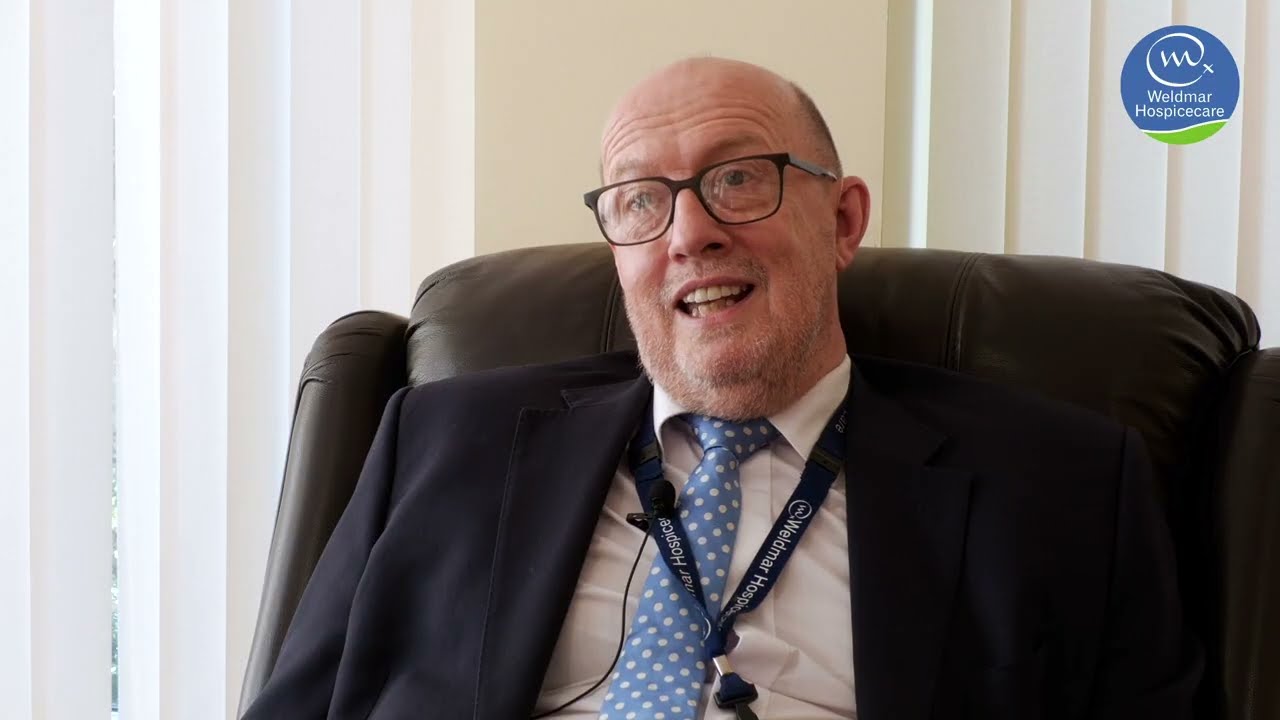
Hospice support
This video shows how hospice care can support people living with MND. It was filmed at a hospice in Dorset, so services may vary depending on where you live.
Sharing your health and care record
This video from the Professional Record Standards Body (PRSB) explains how sharing your health and care record can help professionals work together to support your care. Ask your GP how you can access your personal health and care record.
Page last updated: 23 July 2026
Next full review: February 2027