Accurately modelling the different stages of C9ORF72 protein aggregation in models of MND.
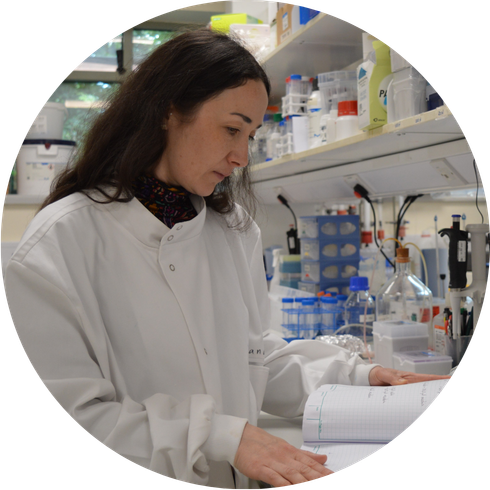
Principal Investigator: Dr Tatyana Shelkovnikova
PhD Student: Abbie Martin
Lead Institution: University of Sheffield
MND Association Funding: £131,532
Funding dates: March 2026 - August 2029
About the project
The most common genetic cause of MND is changes in the C9orf72 gene. Changes in this gene cause a build-up of toxic protein clumps within cells, including motor neurons. However, the underlying mechanisms explaining how these toxic proteins form clumps, and how they contribute to disease, remains unclear. This is partly due to challenges with accurately modelling the toxic proteins when growing cells in a dish for experiments.
This research group have developed an effective way to model the different stages and combinations of toxic protein build-up within cells. In this project, they will continue to work on accurately modelling the toxic protein formation, using an approach called optogenetics to stimulate formation of the protein clumps within cells. They will then explore the effects that these toxic protein clumps, including the different combinations of clumps that can be present throughout disease, have on motor neurons. As they gain understanding, they will be able to test whether changing the properties of the protein clumps, and changing their interactions with other molecules within cells, affects how harmful they are to neurons.
What could this mean for MND research?
By providing insight into the mechanisms and effects of toxic protein clump formation in C9orf72 MND, this project aims to help to inform the therapeutic potential of targeting toxic protein clumps in MND. Understanding what drives the formation of these toxic protein clumps and whether this can be modified could help to identify new therapeutic strategies in C9orf72 MND.
Project code: 2402-792