Welcome to MND Views, our video hub about treatment and care with motor neurone disease (MND) or Kennedy’s disease.
This video hub features people who have been diagnosed, along with carers and partners. Their thoughts about the support they need and receive may help you feel more informed. This can be of benefit when seeking health and social care support or when making decisions. Our thanks to everyone who has kindly taken part. Find out more about this project at About MND Views.
The interview clips are available by person or by topic. Read more on topics by searching with our Care information finder, or contact our MND Connect helpline for support.

Interviews by topic
Select an interview or topic to see a list of videos. Each video button opens the video on YouTube, in a new tab. You can come back to MND Views by returning to your previous tab.
These candid personal interviews include open conversations about sensitive aspects of treatment and care.

Early signs and diagnosis
Watch these videos to find out how others identified if they had MND or Kennedy’s disease.
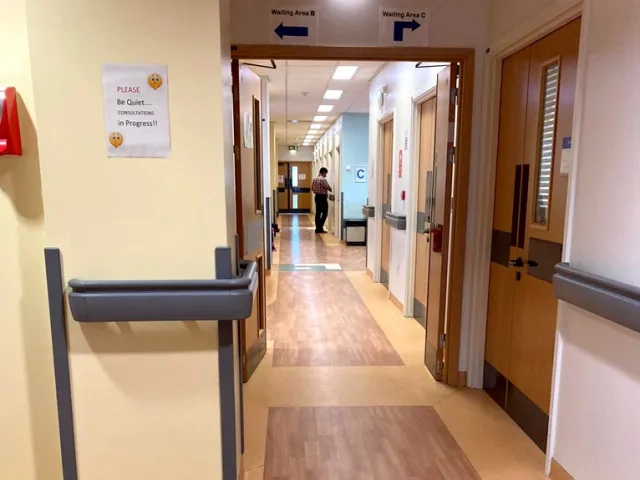
Access to healthcare
You may need a wide range of health and social care support with MND or Kennedy’s disease. Find out how others have accessed these services in these videos.
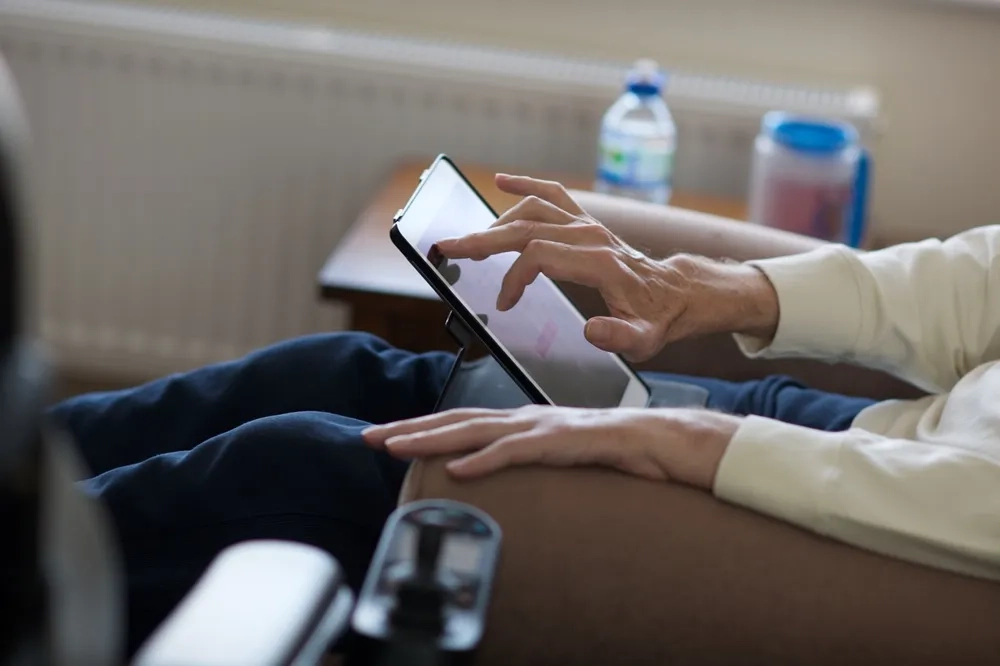
Communicating
With MND or Kennedy’s disease, you may have problems with speech, gesture and expression. Find out more about these symptoms in these videos.
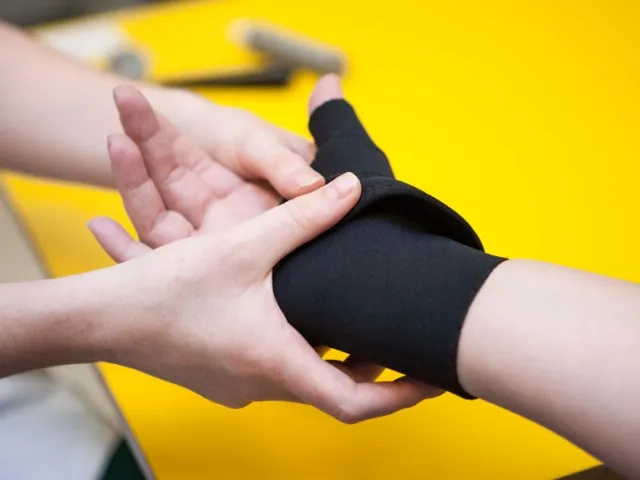
Managing symptoms
With MND or Kennedy’s disease, you may not get the same symptoms or have them in the same order as someone else, and the speed at which they progress can also vary. Hear about other experiences in these videos.
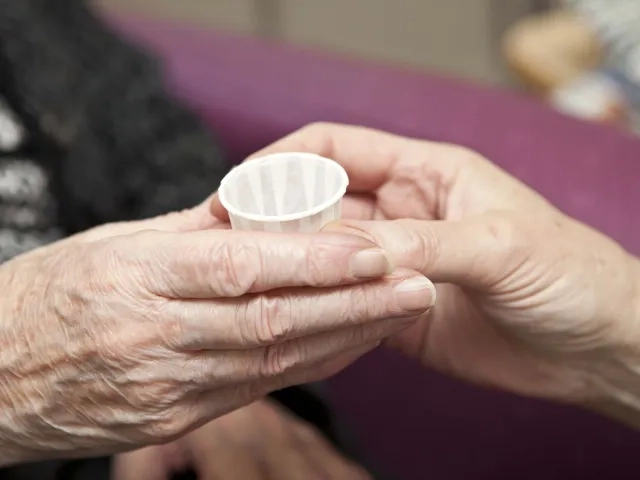
Medications
Only one drug, riluzole, is currently available for the treatment of MND, with moderate effects. However, you may receive medications for a range of symptom control with either MND or Kennedy’s disease.
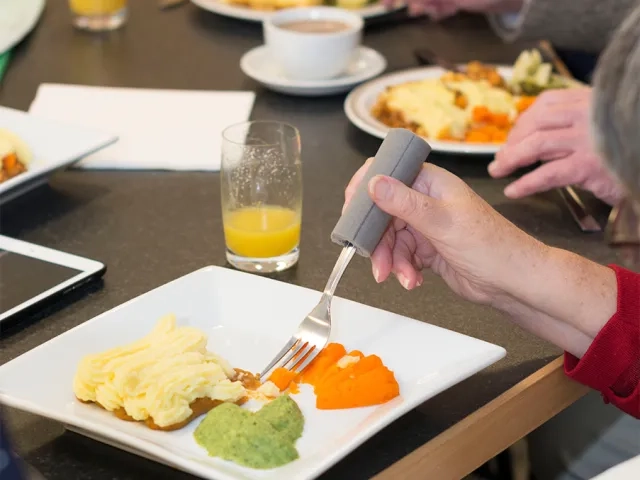
Eating and drinking
With MND or Kennedy’s disease, you may have changes to swallowing, eating and drinking. Find out how others manage these symptoms in these videos.
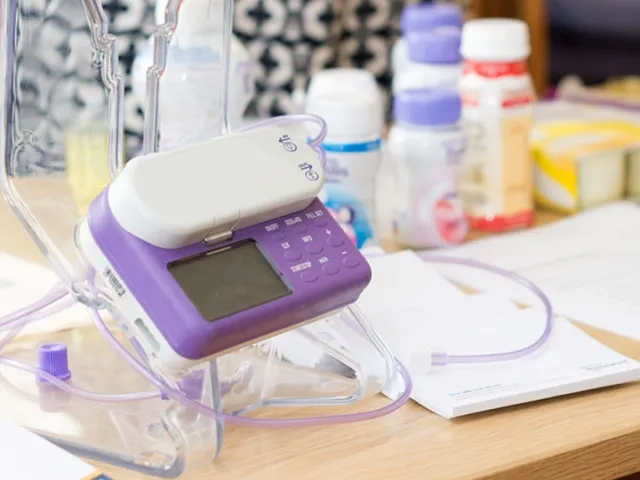
Tube feeding
To support eating and drinking with MND or Kennedy’s disease, you may be offered a feeding tube. Hear how others made their decisions about this in these videos.
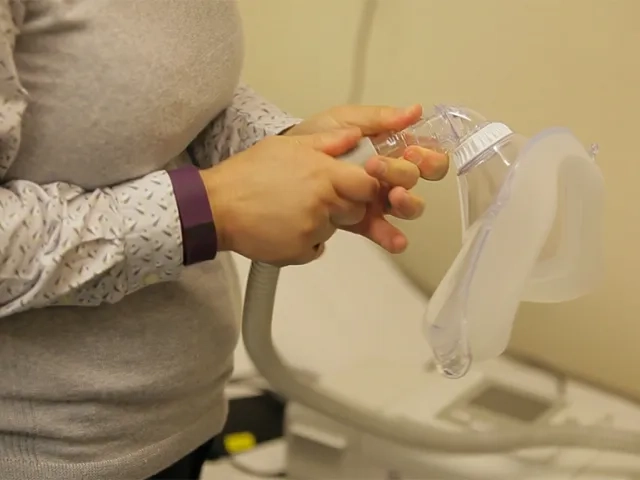
Breathing and ventilation
With MND or Kennedy’s disease, the muscles you use to breathe can be affected. In these videos, people talk about breathing support and ventilation.

Emotional and psychological support
If you need emotional support following a diagnosis of MND or Kennedy’s disease, these videos may help you think about ways to cope, including psychological therapies.
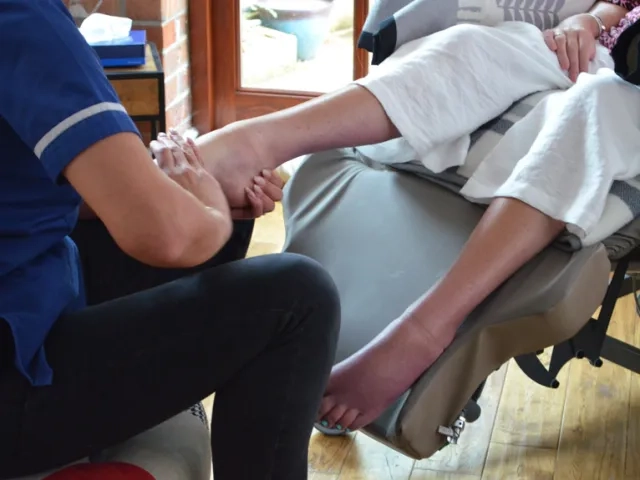
Social care
You may need social care support with MND or Kennedy’s disease. Find out how others have accessed care services and local guidance in these videos.
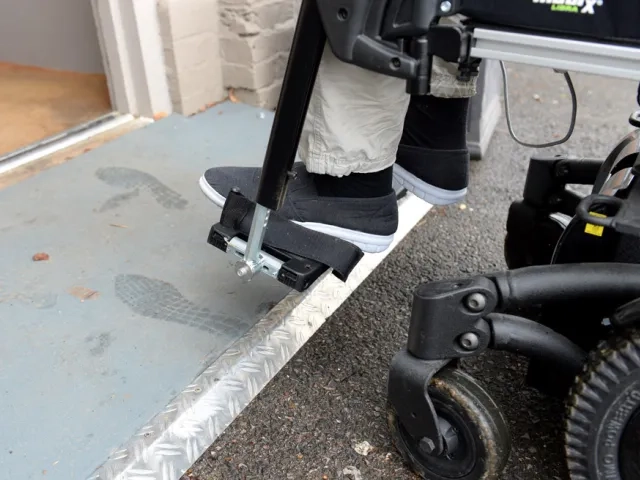
Equipment and adaptations
Equipment and adaptations can help prolong independence with MND or Kennedy’s disease. Find out how others have used this support in these videos.
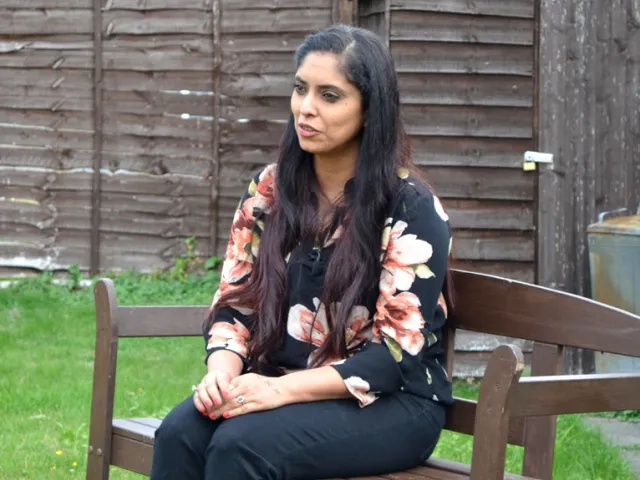
Carer and family support
If you are supporting a loved one who is living with MND or Kennedy’s disease, these videos offer experience from other carers.

End of life decisions and planning ahead
When you feel ready, you may wish to plan for your future care and make financial or legal decisions. Hear how others have tackled these sensitive choices in these videos.

Sexual expression and intimacy
You may be worried about the impact of MND or Kennedy’s disease on intimacy. Hear how others have found support or tackled these sensitive conversations in these videos.

Living alone
With MND or Kennedy’s disease, you may need to make earlier decisions about support without help at hand. Hear from others living alone in these videos.

Genetic testing
Some people with MND have an inherited form of the disease and Kennedy’s disease can be diagnosed through genetic testing. In these videos, people talk openly about genetic testing and how this has impacted them and their blood relatives.
Page last updated: 10 April 2026
Next full review: April 2027