March 2026 Support grants
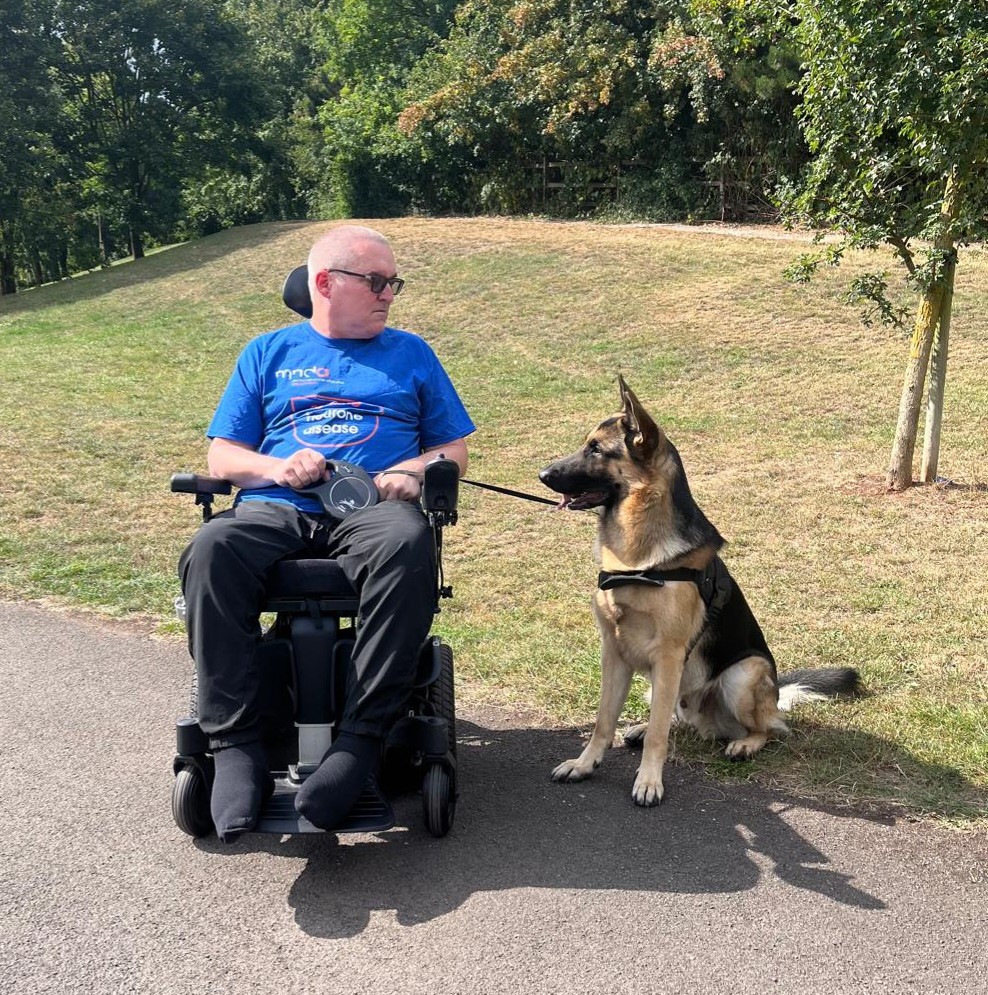
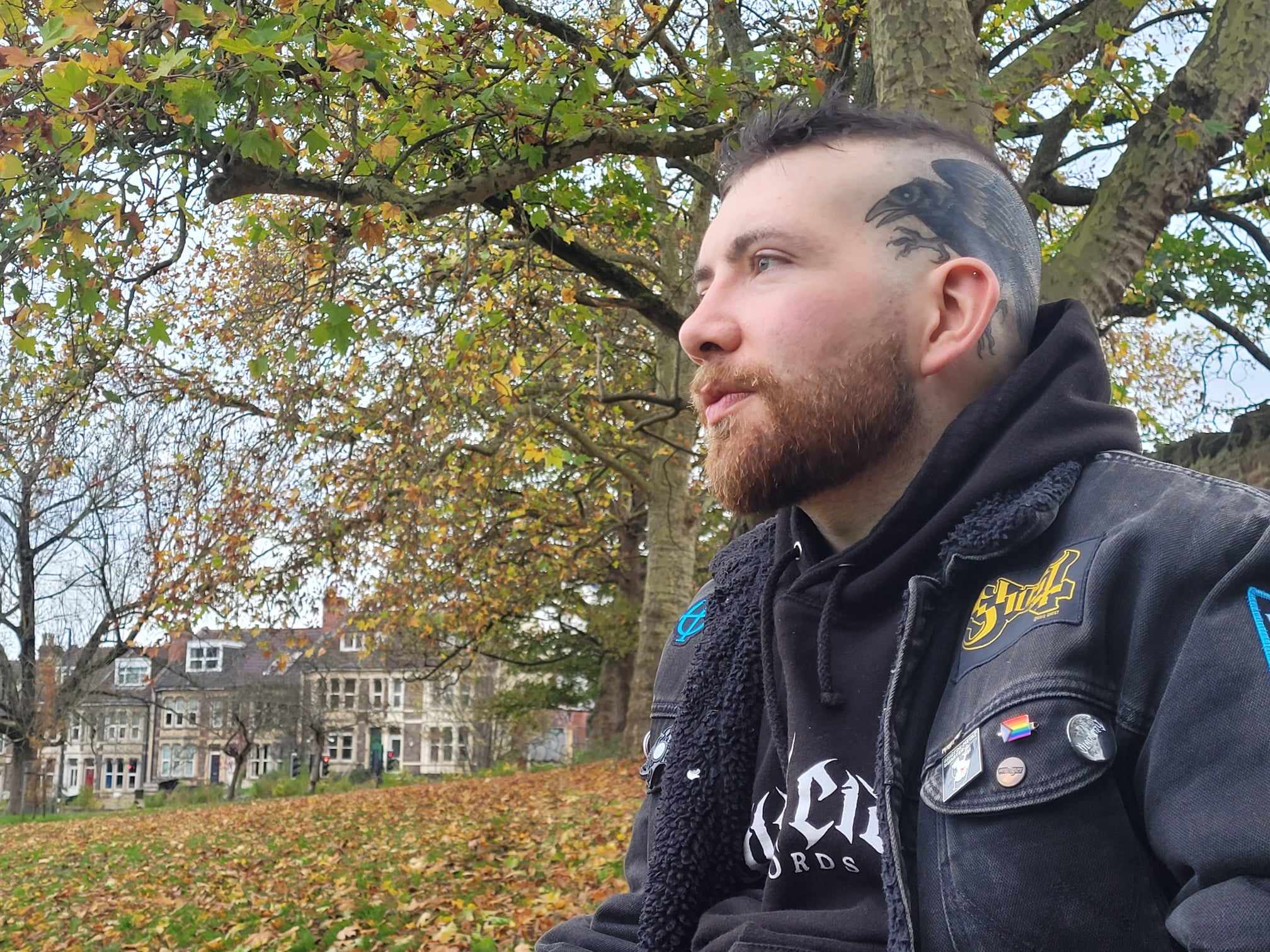
Meet James...
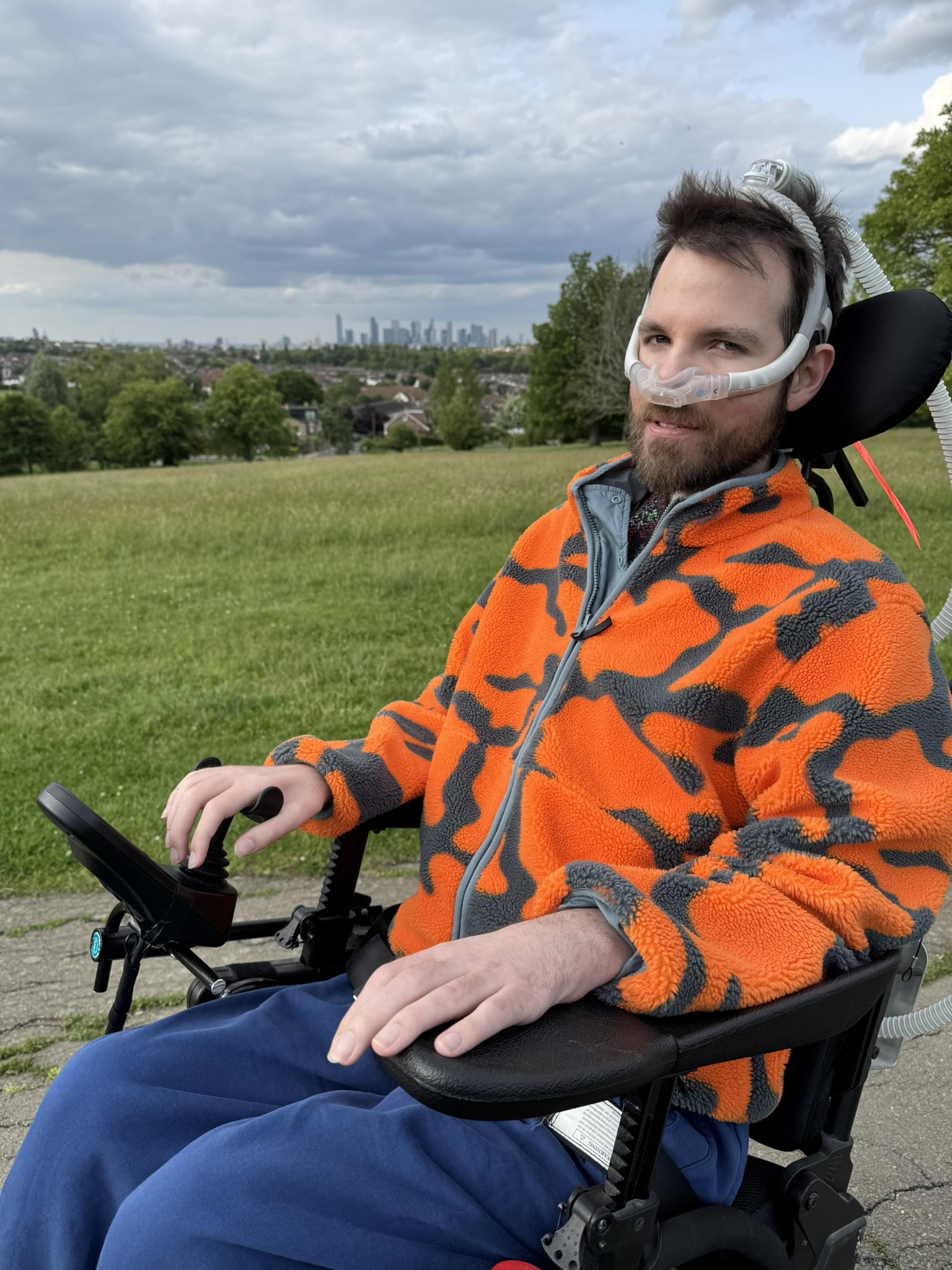
Before James was diagnosed with MND he participated in fundraising events to raise funds and awareness in memory of his nan who had MND. A dad to three young children and devoted husband to his wife, Carly, James shares his experiences of MND and details the impact the disease has had on him and his family.
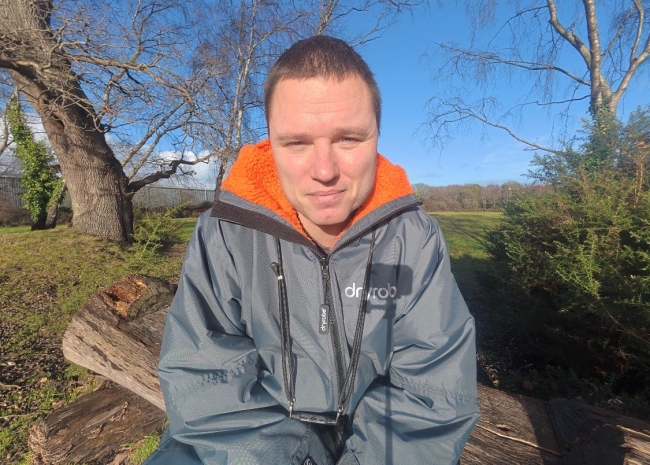
We first interviewed James in December 2023. Recently, we caught up with him to see how things are going.
How have things changed for you since your first interview?
"My MND has progressed, which means I’ve had to adapt more parts of daily life. Some things that used to be simple now take more planning or help from others. At the same time, it’s pushed me to focus more on what really matters – my family, making memories, and using my voice to raise awareness about MND."
What’s been most helpful or supportive for you recently?
"The biggest support for me has been my family and the people around me who continue to show up and help in different ways. I’ve also had a lot of support from my online community and from people following my journey, which genuinely means a lot. Knowing people care and want to help raise awareness for MND gives me a lot of motivation to keep sharing my story."
Have there been any new challenges or adjustments you’ve had to make?
"Yes, there are always new adjustments as the condition progresses. I’ve had to make changes around mobility and how I do certain tasks day to day. It can be frustrating at times, but I try to focus on adapting rather than dwelling on what I can’t do anymore."
You’re currently training for the 100 Miles in March challenge, how are you finding it so far?
"It’s definitely been a challenge physically, but it’s also been incredibly rewarding.
The biggest challenge is managing my energy and knowing my limits. With MND, if I overdo it one day, my body can really let me know the next day. So I’ve had to be careful about pacing myself.
The most rewarding part has been the support from other people. I’ve had friends and supporters offer to walk miles on my behalf, and that’s been amazing. It really shows how people can come together to support the MND community."
What inspired you to get involved?
"Living with MND myself is the biggest reason. I want to raise awareness and support the work being done to help people living with this disease now and hopefully help move us closer to a future where it can be treated or even cured."
We're dedicated to supporting our community because every day with MND matters. Can you tell me one way in which you find joy in each day?
"For me, joy comes from the small moments with my family. Whether it’s spending time with my kids, having a laugh at home, or just getting outside for some fresh air, those simple moments mean a lot more now. Living with MND really reminds you that every day matters, and I try to appreciate the good moments when they come."
Is there anything else you would like to share today?
"I’d just like to say how important the support from the MND community is. From the charity, to the fundraisers, to people simply learning more about the disease – it all makes a difference. The more awareness we can raise, the more support there is for people living with MND and their families."
Life before MND
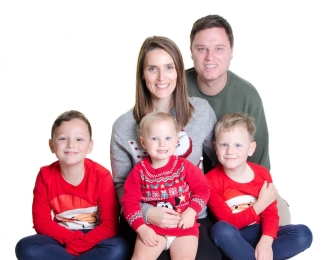
I was your typical working dad. Me and my wife, Carly, were striving to start a family and we struggled for about six years after we got married in 2009. We went down the IVF route, that failed and then magically fell pregnant about three weeks later. I spent most of my working life in a sales environment. I never really felt I wanted to do that job for the rest of my life and when the pandemic hit I retrained to become a qualified barber. It's the best job I've ever had.
We just went with the flow of life, didn't really take things too seriously and then MND swept right in there.
Ironically, before I had any sort of symptom I used to run religiously. I was out three, four, sometimes five nights a week. I ran and raised money for the MND Association because my Nan unfortunately passed away with MND, so it was quite close to my heart.
Early symptoms and diagnosis
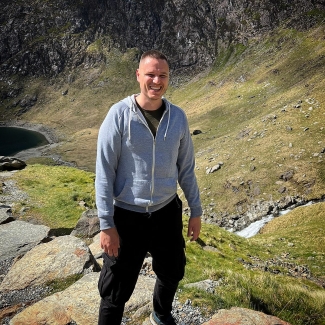
I remember one night I come home from a run and my left arm started twitching uncontrollably. That twitching stayed and never went away. It was only about 18 months after the twitching I noticed as I was running my left arm kept feeling heavy, and it's just got weaker, and weaker, and weaker.
That's how my journey with MND started, a simple uninspiring muscle twitch and it went on from there.
I went to the GP first and they did a blood test and they tested for creatine (a protein that's in your blood that's elevated when you've got muscle deterioration) and that result come back higher than normal. So there were no alarm bells at that point. They referred me on to a general neurologist at my local hospital and he referred me to have an EMG test. They put little pads all over you and then electrocute you to see how your muscles react. Then they put what's called a nerve conductor just underneath the skin and send an electric current through that conductor. I had an MRI scan as well which came back fine and the EMG tests come back inconclusive. At that point I was working as a barber and I just cracked on with life.
Obviously, MND was in the back of my mind because of my family history.
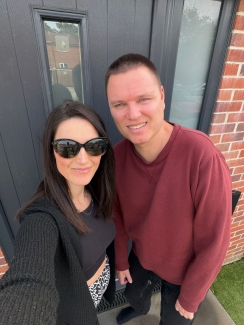
Eventually I saw the top neurologist, Martin Turner, in Oxford University and that's where I got my official diagnosis - so June 2022. It was hard to hear, but it was even harder to watch my wife be so upset as she was pregnant at the time. We just broke down and hugged each other. Our first thoughts were the kids.
It was pretty tough to get that official diagnosis. On the flip side, it was actually a bit of a relief because I had an 18 to 24 month lead up to this point where we had lived with COVID and lock down, I'd retrained to become a barber, my wife was pregnant, we had a baby and it was mad to think what we went through while I was living with this thing hanging over me. So it was almost a bit of a relief to get the diagnosis.
My wife is one of the strongest people I know. She doesn't show too much emotion which I think is good to keep me positive. I think positivity is probably the best form of medicine that I've found.
I count myself fairly lucky that they classed it as quite slow. I live day by day now and if I want to do something, I'll aim to do it. I don't put anything off.
Awareness
It's always going up in terms of exposure which is great. It’s definitely from the unfortunate circumstances like Rob Burrow and what Kevin Sinfield has done. It's unfortunate that it's taken that level of exposure from a professional sports person to get the word out. When I was diagnosed, people didn't understand. It was a massive highlight to me, even though it's been around for so long it was still mad how many people didn't understand what it was. I got so many people saying the same thing, 'I hope you get better soon.'
When I got to the point where I had to hang up my clippers, I set up Instagram, TikTok, Facebook, every social media platform, sharing my experiences to the world to hopefully help someone that's either going through it, has gone through it. When you talk to other people that are going through it, it's always quite nice to hear other people living what you're experiencing.
Association support
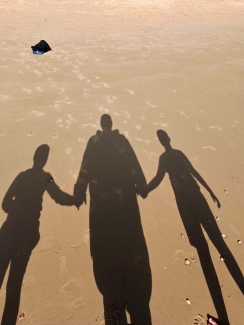
We’ve applied for a few things over the period of time I've been diagnosed. Every year, we renew our passes to Paulton’s Park where Peppa Pig world is. We use that regularly for day trips, sometimes we turn up and have lunch in the Japanese gardens and feed the ducks.
We had our house renovated to make it more accessible and we needed to get a built-in wardrobe. The MND Association funded for me to get a carpenter to bespoke build a wardrobe for us and put shelves in areas that are more accessible for me.
We've had a couple of holidays. We drove around the UK in our motorhome and the support enabled us to do additional trips while
we were there. We were in the Lake District and we paid a little bit extra and took an old open carriage steam train all the way round the coast of that part of the district we were staying in. If it wasn't for the MND Association, we wouldn't have been able to fund that extra trip while we were away. It was awesome.
It has been so helpful and if it wasn't for the support we've had from the MND Association, I probably wouldn’t be enjoying the life that I do have.
It makes me feel valued because I'm going through this, but there are people there to support me. Not only physically and mentally, but financially.
Advice to people with MND
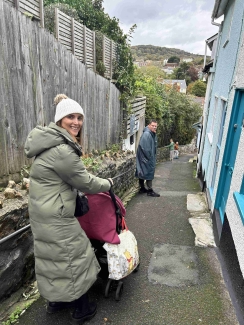
What I've learned since I’ve been diagnosed is try not to go through it by yourself. I live by a saying by a friend of mine who has MND as well, ‘when it gets to the point where you can't do something, just move on and focus on something else that you can do.’ So I focus on what I can do, not what I
can't. If you dwell on the fact you’ve got MND and be negative about it, it's not going to do you any favours.
For people that haven't been diagnosed yet, try not to self-diagnose. I get so many people trying to diagnose themselves by Googling everything and it's natural to do that, I did exactly the same. I spent the whole of lockdown researching every alternative mimicking disease that is a very is around like MND and it just doesn’t help. So try not to dwell on it. It sounds flippant and quite easy for me to say that four years into my symptoms, but that's probably the best advice I can give. Oh, and bank your voice!