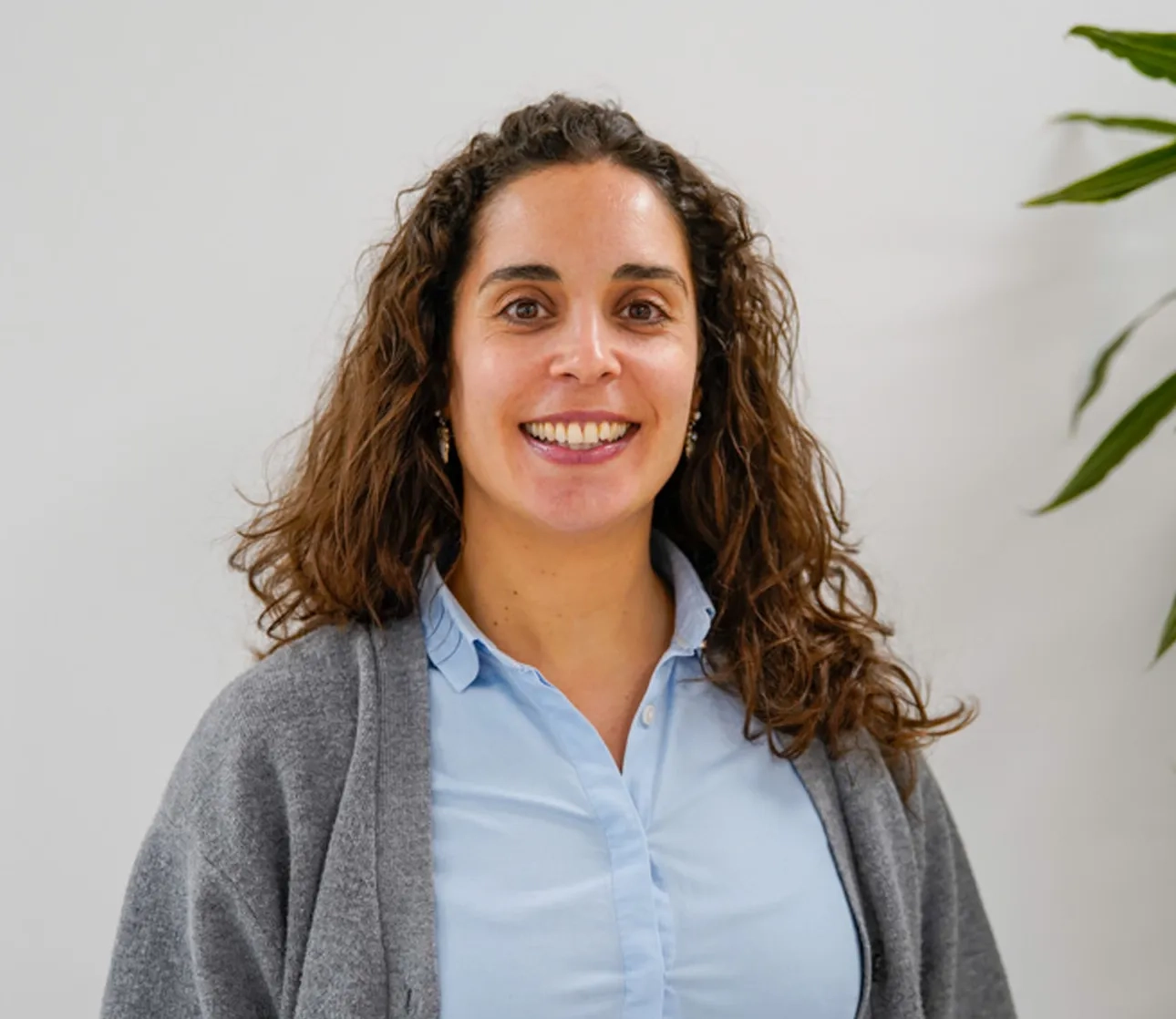
Ana Rita Gameiro Costa is the new Research Nurse University College, London, (for MND). Read more about her in this section:
How would you describe your role to someone you’ve just met?
I’m a research nurse specialising in Motor Neurone Disease, where I support patients to take part in observational studies and clinical trials. My role is to bridge clinical care and research - ensuring studies are delivered safely while helping patients contribute to vital research that could improve future treatments.
What does your typical working day look like?
My day usually involves recruiting and consenting patients into Motor Neurone Disease research studies, carrying out study assessments, collecting data, and co-ordinating trial visits. I work closely with multi-disciplinary teams, researchers and sponsors to ensure studies run smoothly, while also supporting patients and families throughout their participation.
What made you want to become a nurse?
I’ve always wanted a career where I could make a meaningful difference. Nursing allowed me to combine patient care with science, and moving into research gave me the opportunity to contribute to advancing knowledge and improving outcomes for conditions like Motor Neurone Disease.
What attracted you to your current role?
I was particularly drawn to the opportunity to be involved in research that has the potential to change the future of Motor Neurone Disease care. Working in clinical trials allows me to support patients in a different way - by giving them access to research and the chance to be part of something that could lead to new treatments.
Who has had the biggest impact on your career?
Senior research nurses and investigators I’ve worked with have had a big impact on me. Their commitment to high-quality research and patient-centred practice has shaped how I approach my role, especially in a complex field like Motor Neurone Disease research.
What do you enjoy most about your role
I really value being part of research that could make a long-term difference. It’s rewarding to support patients with Motor Neurone Disease in contributing to studies, knowing their involvement is helping to build knowledge and move us closer to better treatments.
What’s been the stand-out moment in your career so far?
A stand-out moment has been seeing a study progress from set-up to delivering meaningful data, knowing that the work could contribute to future breakthroughs in Motor Neurone Disease. It really highlights the importance of research and the role patients play in it.
What are your ambitions for the future?
I’d like to continue developing within research, potentially taking on more responsibility in study leadership or trial coordination. I’m particularly interested in contributing to larger-scale or innovative studies that aim to improve understanding and treatment of Motor Neurone Disease, and working alongside organisations like the MND Association.
What advice would you give to someone who wanted a job like yours?
I’d encourage them to build a strong clinical foundation and develop an interest in research early on. Attention to detail, good communication skills, and a patient-centred approach are essential. Research nursing, especially in areas like Motor Neurone Disease, is a unique opportunity to contribute to both patient care and scientific progress.