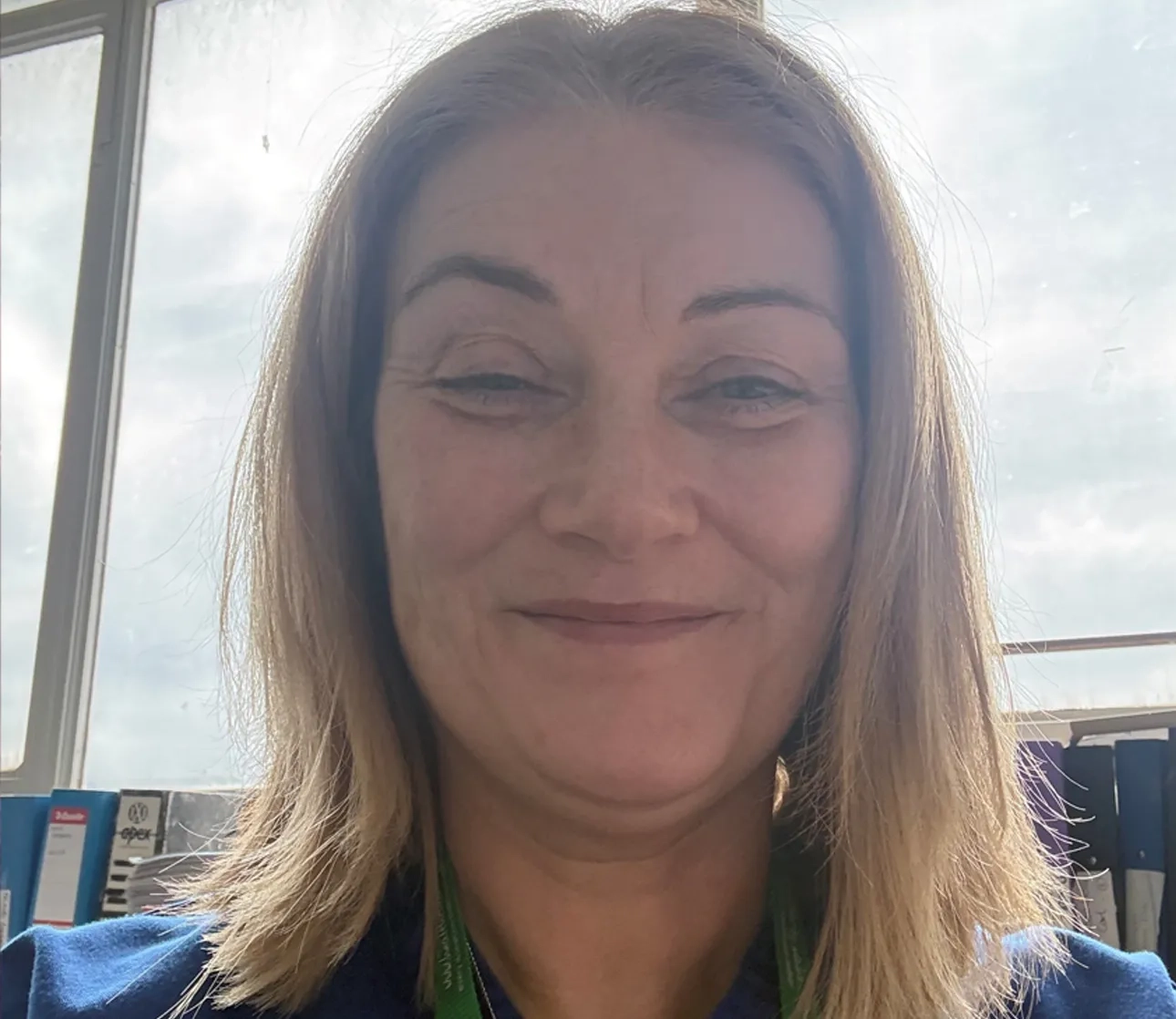
Dympna has taken up her role as our Research Nurse in South Wales and you can find out more about her here:
How would you describe your role to someone you’ve just met?
I am a senior research nurse working with people who have MND across the South Wales network. My job is to help run clinical research studies that look for better treatments and ways to improve care. I work closely with patients, their families, neurologists, and research teams - explaining studies, checking people are safe to take part, collecting data, and supporting them through the research process.
What made you want to become a nurse?
I originally did a degree in Psychology but knew I wanted a career where I could make a meaningful difference. Nursing gives me that, and now working in research means I can also help improve future treatments for conditions like MND.
What attracted you to your current role?
I worked as a MND Specialist Nurse in Scotland before moving to Wales. During that time there was nothing on offer except Riluzole. So, what really attracted me to the MND research nurse role in South Wales was the opportunity to combine both aspects. This role now is full circle for me. Supporting people living with MND and their families is incredibly important, but being involved in research also means contributing to a wider effort to better understand the disease and hopefully improve treatments and care in the future.
Who has had the biggest impact on your career?
I’ve been influenced by some great colleagues and mentors throughout my career, but the patients I work with probably have the biggest impact. Supporting people living with MND and seeing their determination really reminds me why the research we do is so important and roles like this dedicated to driving research in that disease area are vital.
What do you enjoy most about your role?
What I enjoy most is the opportunity to build relationships with patients and their families while also contributing to research that could improve care in the future. Supporting people living with MND can be incredibly meaningful and knowing that the research we are doing may help improve understanding and treatment of the condition makes the role really rewarding.
What’s been the stand-out moment in your career so far?
In February last year I became a Davidson Nurse. This was awarded to research nurses across the country who were involved In the MND SMART Trial in recognition of their efforts to promote equity of access to MND SMART. Alan Davidson was diagnosed with MND at a time when no clinical trials were available, so this resonated with me being an MND specialist nurse at a similar time. To be able to now deliver these trials it was an honour to take on this title in his honour.
What are your ambitions for the future?
At this stage of my career, my ambition is to continue contributing to meaningful research and improving access to trials for people living with MND across the network. We are already successfully delivering MND clinical trials, and my plan is to use this role to get out to clinics and take research to the patients.
What advice would you give to someone who wanted a job like yours?
I think it is important to have a strong clinical background and working knowledge of MND, but also an interest in research and learning. This is an amazing opportunity at an exciting time in MND Research.