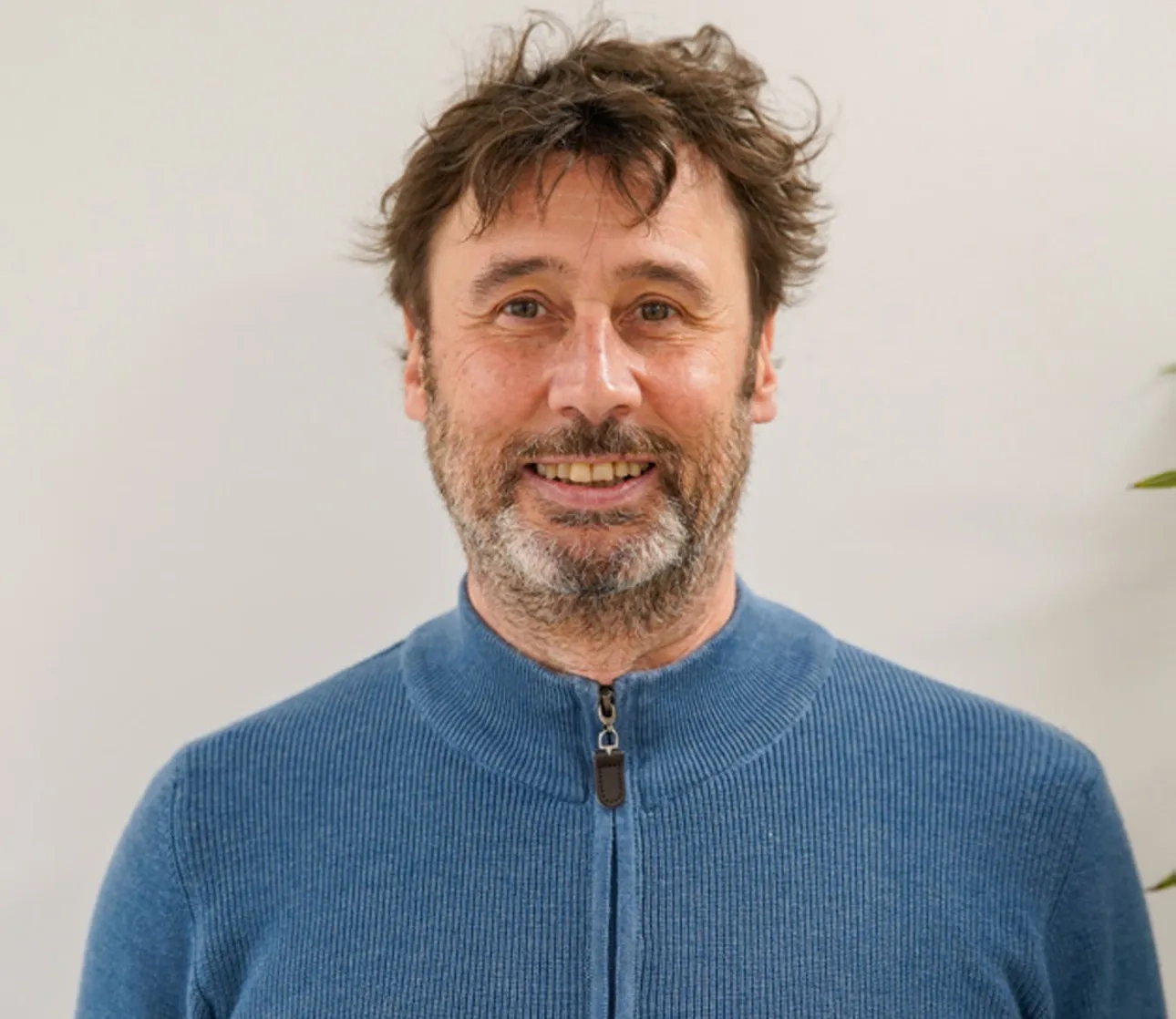
Our Research Nurse is going from strength to strength - you can find about Luca Zampedri, our nurse at The University College, London (for Kennedy’s Disease) here:
How would you describe your role to someone you’ve just met?
I work as a clinical research nurse with people affected by a rare genetic condition called Kennedy’s disease or Spinal and Bulbar Muscular Atrophy. It affects predominantly men by impairing the metabolism and utilisation of androgens like testosterone. Like in other Motor Neurone Diseases, the muscles and nerves that control speech, swallowing and limb movement are affected. Despite a generally slow progression, it is a disabling condition that may present with a variety systemic and non-neurological symptoms.
In my role as clinical research nurse, I guarantee the quality of data collected through research protocols and, most importantly, act as an advocate for those taking part in research.
What does your typical working day look like?
My job covers a mix of desk based and patient facing activities. On clinic days, I meet with patients and their families, learn from their lived experiences and share advice on living with Kennedy’s disease. In a team of consultant neurologists and a physiotherapist, I also provide information on ongoing research projects, and collect biological samples and data via questionnaires, physical and clinical tests.
Central to my role is adhering to research governance, that range of regulations, ethical principles and standards of practice needed to guarantee safety, privacy and confidentiality, and data quality in clinical research.
What made you want to become a nurse?
I spent some time in hospitals as a child and had family members working in the health sector. These are two background factors often listed as reasons for becoming a nurse. Three decades after having started my training, I believe the opportunity to foster mutually enriching exchanges with patients and families, sometimes described as therapeutic relationships, to be my reason to continue being a nurse.
What attracted you to your current role?
Most probably a degree of luck and serendipity. I had the fortune to work as a bank nurse at the National hospital for Neurology and Neurosurgery in Queen square, London in the early 2000s. That led me to a permanent job in neuropsychiatry followed by a five-year stint in neuro-medical intensive care. I then decided to pursue a role in research. After some unsuccessful interviews, I got a job in the clinical research facility that had just opened at Queen square to host clinical trials for neurological diseases. That allowed me to learn the ropes of clinical research from very experienced nurses.
In 2015, I was lucky enough to join my wonderful colleagues at the centre of neuromuscular diseases and contribute to the development of the first clinical and research service dedicated to people living with Kennedy’s disease in the UK. I have developed lasting connections with people attending the service and I am grateful for their keen contribution to increasing the knowledge of this condition.
Who has had the biggest impact on your career?
Venanzio. He was an experienced registered nurse I had the honour to work with in a general hospital in the North of Italy in the early 90's. As a newly qualified nurse, he helped me to navigate a busy general ward and experience first-hand the importance of the human factor in our profession. He introduced me to the principle of social medicine which led to developing an interest in health humanities, social determinants of health, and a drive to further equality of access to health, health care and research.
What do you enjoy most about your role?
One of the most attractive aspects of clinical research is that even working at an individual level with each research participants, one can contribute to improving the health and wellbeing of a group or community by increasing the knowledge of a condition and/or testing the safety and efficacy of novel experimental treatments. In addition to working at the forefront of medical science building, one may contribute to raising awareness of rare diseases amongst health professionals and the wider public. It also offers the opportunity of developing international collaborations.
What’s been the stand-out moment in your career so far?
I nearly played a nurse on an Oscar nominated movie when, with other colleagues from the National hospital for Neurology, worked for a day as extra on the set of “The Theory of Everything” the film with Felicity Jones and Eddie Redmayne depicting Stephen Hawking and his wife’s battle with Motor Neurone Disease. Unfortunately, I did not make the cut.
A couple of years later, I joined Queen square’s MND team as a clinical research nurse. That was another, somehow related, stand-out moment in my professional life.
What are your ambitions for the future?
I wish to continue working in my current role and contribute to raising awareness of Kennedy’s disease while facilitating access to research for people living with this rare condition. As a personal project, I’d like to deepen my understanding of fatigue a very disabling symptom which is very common in people living with a neurodegenerative disease. I’d also like to develop a deeper knowledge of ethical issues related to genetics and genetic testing.
What advice would you give to someone who wanted a job like yours?
Not long after joining my current team, a dear colleague of mine advised me to change my job title from “research nurse” to “clinical research nurse”. That made me reflect upon the nature of our job situated at the interface between sound clinical knowledge and adherence to specific research protocols.
Extensive clinical experience, particularly in acute, intensive and emergency care, can indeed equip one for safe and independent practice. Another way to integrate research into clinical practice is fostering a close cooperation with our clinical colleagues working towards the common goal of addressing patients and research participants’ needs, priorities and hopes.