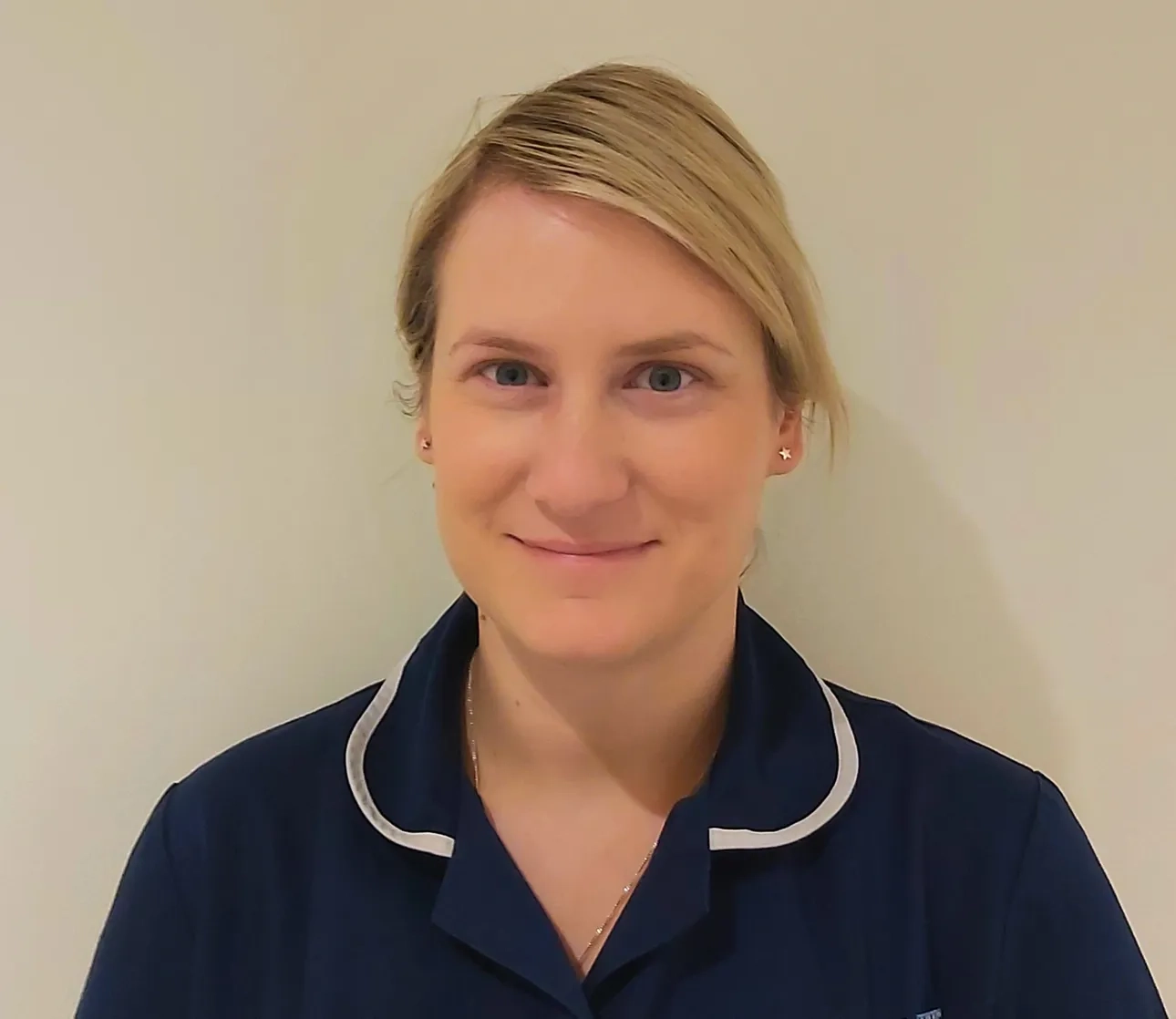
How would you describe your role to someone you’ve just met?
I'm a Motor Neurone Disease (MND) research nurse. My role is to support people living with MND who take part in research studies and clinical trials. I work with patients, their families, researchers and clinicians, helping to ensure studies are delivered safely and effectively. Ultimately, my job is to help advance our understanding of MND and contribute to the development of future treatments, while ensuring participants feel informed, supported and valued throughout their research journey.
What does your typical working day look like?
A typical day might involve seeing participants in clinic, carrying out study assessments, collecting and recording research data, reviewing study documentation and liaising with multidisciplinary teams. I spend a lot of time communicating with patients and their families, answering questions and supporting them through the research process. There is also a significant administrative element to research nursing, ensuring studies are conducted according to protocol and regulatory requirements.
What made you want to become a nurse?
I've always wanted a career that involved helping people and making a positive difference in their lives. Nursing offered the opportunity to combine science, clinical skills and compassionate care. I was particularly drawn to the variety that nursing offers and the privilege of supporting people through some of the most challenging times in their lives.
What attracted you to your current role?
After spending 12 years working in neurology nursing and gaining some experience in stroke research, I became increasingly interested in the role that research plays in improving patient care. MND is a complex and devastating condition, and although there is still much work to do, research offers real hope for the future. The opportunity to combine my neurology experience with research and contribute to the search for better treatments was something I found incredibly rewarding.
Who has had the biggest impact on your career?
I've been fortunate to work alongside many experienced nurses, clinicians and researchers throughout my career who have inspired and supported me. It's difficult to name just one person. The colleagues who encouraged me to develop my skills, take on new challenges and explore research opportunities have all played an important role in shaping my career and giving me the confidence to progress.
What do you enjoy most about your role?
The most rewarding aspect is building relationships with patients and their families while contributing to research that could improve outcomes for future generations. It's inspiring to see the commitment that people with MND show when they choose to participate in research, often motivated by a desire to help others.
What’s been the stand-out moment in your career so far?
Rather than one specific moment, the stand-out aspect of my career has been the privilege of supporting patients and their families through some of the most challenging stages of their lives. Throughout my 12 years in neurology nursing, I cared for many people with neurological conditions and was honoured to support patients and their loved ones through this transition as well as at the end of life. Those experiences taught me the importance of compassion, communication and person-centred care.
What are your ambitions for the future?
I would like to continue developing my expertise in MND research and contribute to studies that lead to meaningful improvements in the lives of people living with the disease. My ambition is to be part of the ongoing progress in developing new treatment options, improving care pathways and strengthening the support available to patients and their families. Although there is still much work to be done, it is an exciting time in MND research, and I hope to play a role in helping translate research advances into better outcomes and quality of life for those affected by MND.
What advice would you give to someone who wanted a job like yours?
Build a strong clinical foundation and look for opportunities to get involved in research. Experience in a specialist area such as neurology can be invaluable, but it's equally important to develop good communication, organisational and problem-solving skills. If you're interested in research, look for opportunities to get involved, ask questions and learn from experienced colleagues.