23 June 2026 News
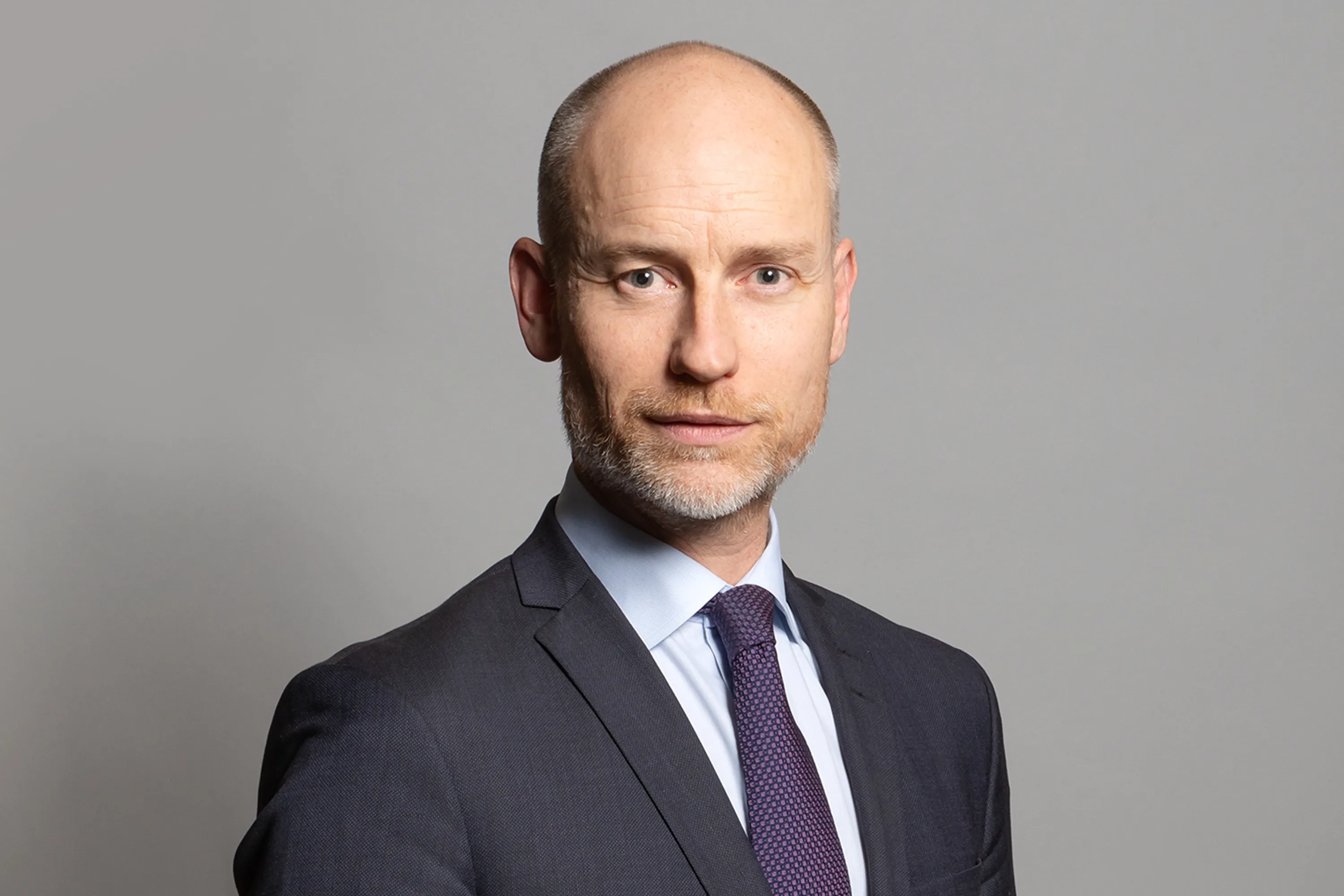
The Minister of State for Care has written to all local councils in England calling for new ‘fast track passports’ to improve the speed of support for people diagnosed with MND.
Stephen Kinnock MP has backed initial proposals from the Independent Commission on Adult Social Care, led by Baroness Casey, which were unveiled in March.
The move reflects our ongoing work with the Department of Health and Social Care (DHSC) to improve the lives of people with MND in line with our Unlock the Door campaign.
In the letter, Mr Kinnock outlines the Government’s commitment to ‘taking this recommendation forward as a priority’ and ‘the immediate steps [he] encourage[s] local authorities to take’.
Those steps include:
- Fast-track access to care and support for people with MND from the point of diagnosis
- Ensure streamlined multidisciplinary team approaches are in place, with adult social care and home adaptation functions properly represented
- Review and update housing assistance policies that enable fast-tracking of support, ensuring adaptations can be delivered without unnecessary delay
- Waive the Disabled Facilities Grant (DFG) means test as a practical and impactful step
If implemented, these changes would ensure people with MND can access social care sooner, living in safe, adapted homes and make the most of every day.
Read more about the Casey Commission
Flora Butler, Senior Policy Advisor, said: “Our work alongside the Casey Commission and DHSC is a landmark moment for the MND community in the UK.
“We are deeply grateful to Baroness Casey and her team for the compassion and diligence they have brought to this process and for recognising that people living with MND urgently need far greater support.
“We are working in close partnership with DHSC and people affected by MND to translate her recommendations into meaningful, lasting change.
“The recent letter from the care minister to all local authorities marks a significant step forward, signalling the system is set to change for the better.
“For our community, these changes cannot come soon enough. We will continue to do everything in our power to drive their swift and effective implementation.”
A new steering group, led by DHSC and comprising representatives from the MND Association, people affected by MND, DHSC officials, local government and experts from across the health and social care sectors, will now meet regularly to discuss how to implement change as soon as possible.
We remain incredibly grateful to the people affected by MND who shared their personal experiences of social care as part of the review and who continue to work with DHSC on this issue.