June 2026 Special Days
Meet John...
John and Julie were a match made in heaven. Having met later in life, they married in 2015, bringing two families together and living a life rich with love and laughter. But it was when Julie was diagnosed with MND in 2023 and died just 212 days later, that Julie and John truly discovered the strength of their bond – a bond which led to the discovery of a special message from beyond the grave which continues to guide him and comfort him to this day.
John shared his story with us in April 2026.
My special day
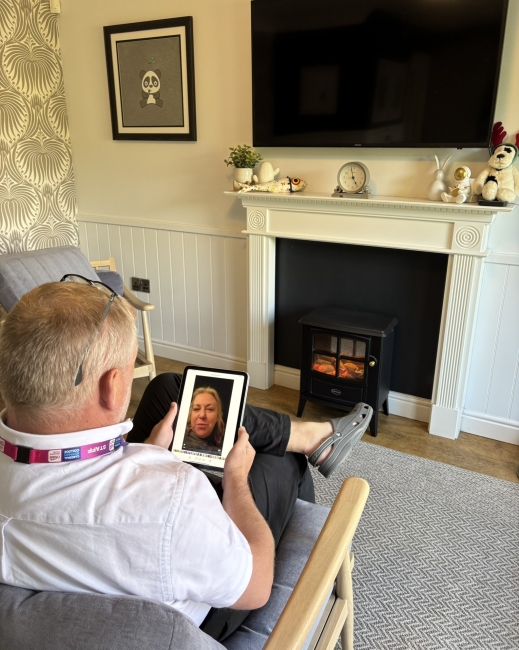
After Julie died, I found a video she had recorded on her phone. In the early hours of 17 January 2023, the day we were due to go to the Spire in Cheshire to receive the results of Julie’s tests, Julie was sat downstairs unable to sleep and decided to record a message for me. It is the most poignant and significant video I have ever watched.
In the video, Julie tells me she has accepted her diagnosis. The thing is, Julie didn’t get her diagnosis confirmed until later that day, but she knew. From the first time she felt a symptom, she knew she had MND. She goes on to talk about my life after she has gone and assures me I will get through the pain of losing her and go on to have a happy life. Such a powerful thing to do and say on such a poignant day. She even makes a joke about a potential future girlfriend. That was Julie all over. She was courageous, strong, deeply caring and had a great sense of humour. We were very happy together. We were absolutely in love and to find that video after Julie died, it meant everything. The most beautiful final gift from Julie.
Life before MND
My name is John. I’m 57 years old, originally from St Helens and now living in Widnes. I’ve been an A-level maths teacher since 1993 working mainly in sixth form colleges across the North West and I’ve thoroughly enjoyed my career. Outside of work, I’m a keen golfer, I play squash and generally try to keep fit by staying active. I have two sons, now aged 24 and 26.
Julie was 37 when I met her. She’d already lived a lot of life before I came along. She became cabin crew in the early 1990s and for the next 20 years, she travelled the world. She married her first husband and they had twin girls.
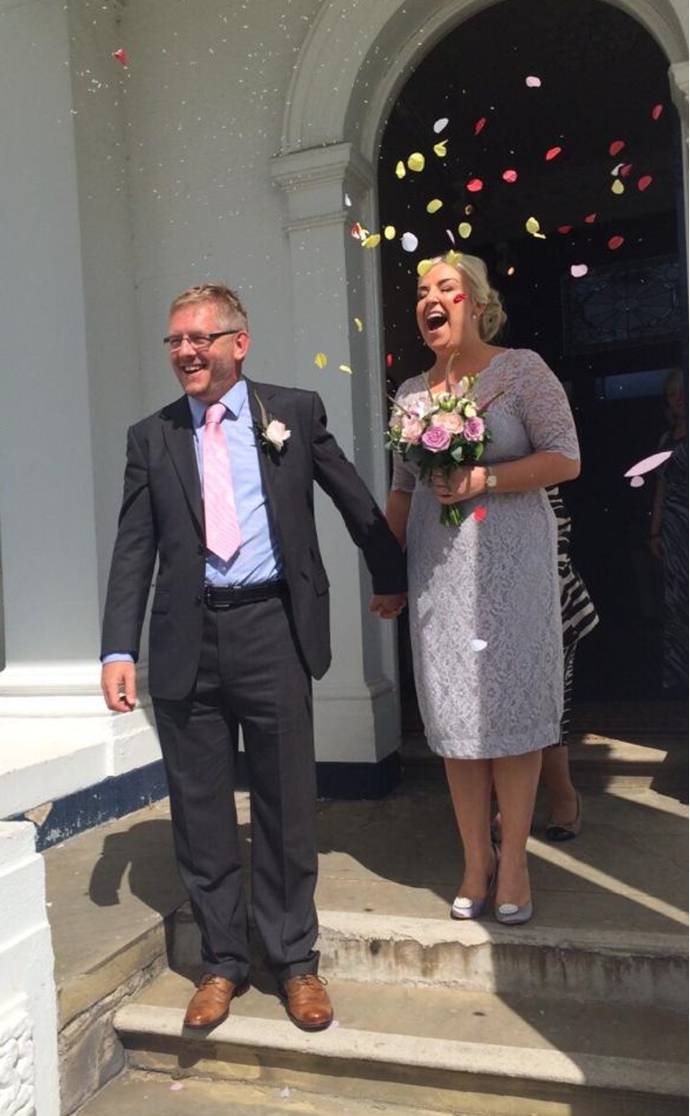
Julie and I got married in 2015, about six years after we first got together. We both had children from previous marriages and that brings its own complexities. But we worked at it, we stayed strong together and over time we found our way.
We went on a lot of holidays. We also loved weekends in the Lake District. We had dogs, loved being outdoors and staying active. That was our life. It was steady, happy and full. We were at that age where we had started to think about retirement, and then Julie was diagnosed and everything changed.
Early symptoms and diagnosis
Julie’s mum, Jacqueline, was diagnosed with motor neurone disease in 2022. Before diagnosis she had experienced a few minor symptoms related to a little weakness in her legs. At that time, a diagnosis of MND was a massive shock to everyone in the family. Jacqueline died quite quickly after her diagnosis aged just 73 years old. It was only a matter of months later when Julie started to notice her first symptoms.
Julie’s first symptom was something so small it would have seemed meaningless to most people. She was trying to pick up a pan with her left hand but she didn’t have the usual strength in her wrist to grip it properly. If you’d not lived through what we had with her mum, you’d think nothing of it. A bit of weakness maybe a bit of clumsiness, but Julie knew. At first, she went to the gym and asked for a training programme to strengthen the weakness, but that didn’t seem to work. Then came our annual trip to the Leeds Christmas markets on the first weekend in December. On the Sunday afternoon we were walking back to the car to head back home when Julie’s left leg gave way. She stopped, broke down and cried. She now had symptoms in her left arm and her left leg. That was the moment it was confirmed to her. She turned to me and said, 'I’ve got MND. I know it.'
A trip to the GP informed us it would be several months before Julie could be seen by a neurologist, so we went private. We were seen first at the Spire Hospital in Warrington then at the Spire Liverpool.
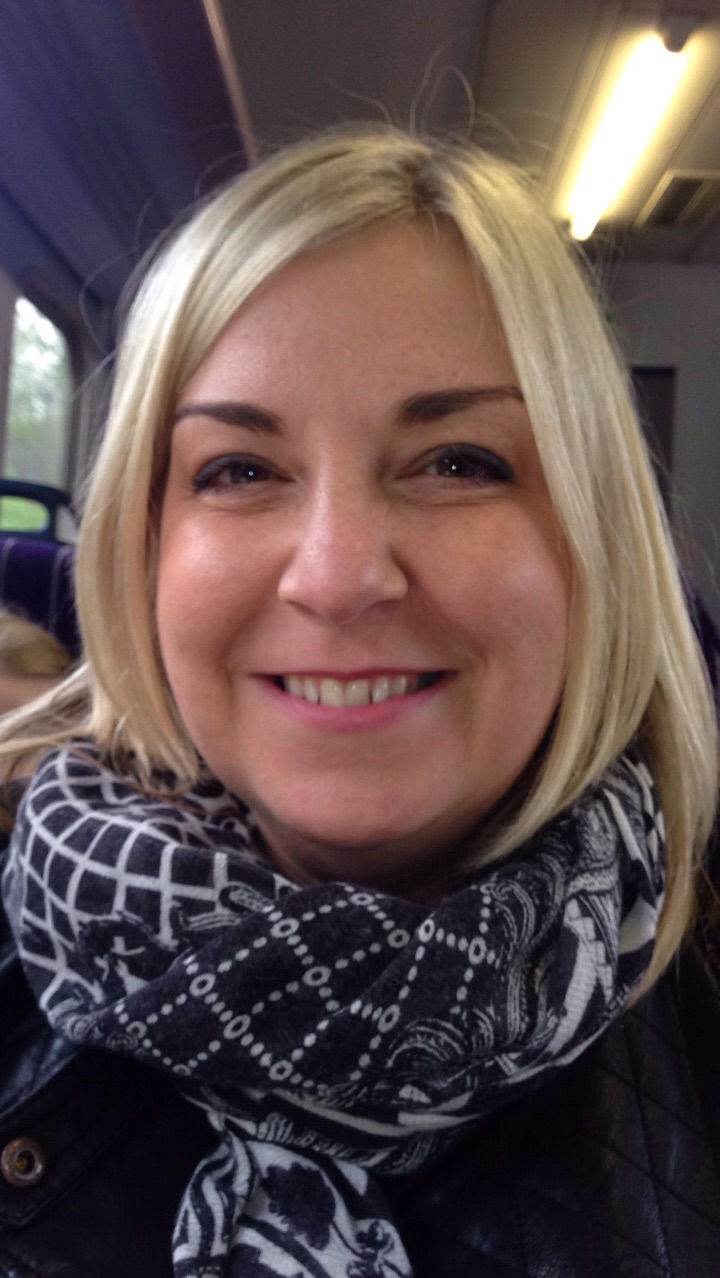
Julie had a full body MRI scan on the Friday between Christmas and New Year. The results of the MRI scan came back perfectly clear, the worst possible outcome. At that point, Julie was now convinced she had MND despite the fact that we hadn’t yet had the nerve conduction test.
Julie was diagnosed on the 17 of January and she died on the 17 of August, exactly seven months later. Her journey lasted two hundred and twelve days.
Processing the diagnosis
When the diagnosis was confirmed, the hardest part came next. Going home and telling our children, our parents, our friends.
I was trying to be strong and brave for her but I was thinking about the devastation of what this meant for Julie. What it would mean for her children and for her brother. That she would never experience retirement. That she would never know what it felt like to be a grandparent. That all of those future joys were being quietly erased. And selfishly, I was thinking about myself too. We had both already lived difficult lives, starting again later than most people and finding such a deep connection the second time around. It felt brutally unfair.
Looking back now everything about how Julie handled it was so Julie. She faced it head on, long before anyone else was ready to talk about it. She had already lived through this disease once with her mum and she recognised it early in herself. She trusted her body. She trusted herself. Throughout that painful and torturous journey she was always in control.
The first month was the hardest, harder even than the physical decline because it was about accepting reality and becoming comfortable enough with it to be able to live again. Julie did that with unbelievable courage. Explaining it to others was exhausting because people didn’t understand MND. You constantly have to explain that it’s terminal and life-limiting, that there is no treatment or cure.
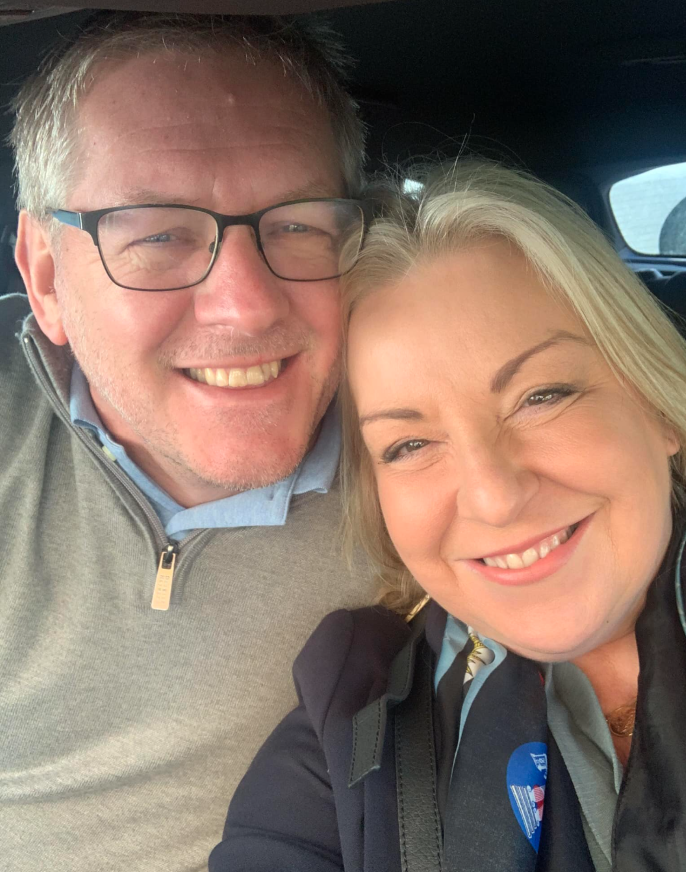
Julie and I were strong together. We supported one another, leaned on one another and took strength from simply being together. But we didn’t know what the future looked like. We didn’t know how aggressive her MND would be. We didn’t know how long Julie would be able to speak, walk or eat.
The impact of MND
Julie got weaker every day. Her legs weakened. She tired easily. Strength drained away incrementally. Despite being diagnosed in January she was still climbing stairs for a while but by March, we had to move the bedroom downstairs. Not long after that, she needed a wheelchair to move around the home. MND is relentless like that. It never takes a day off.
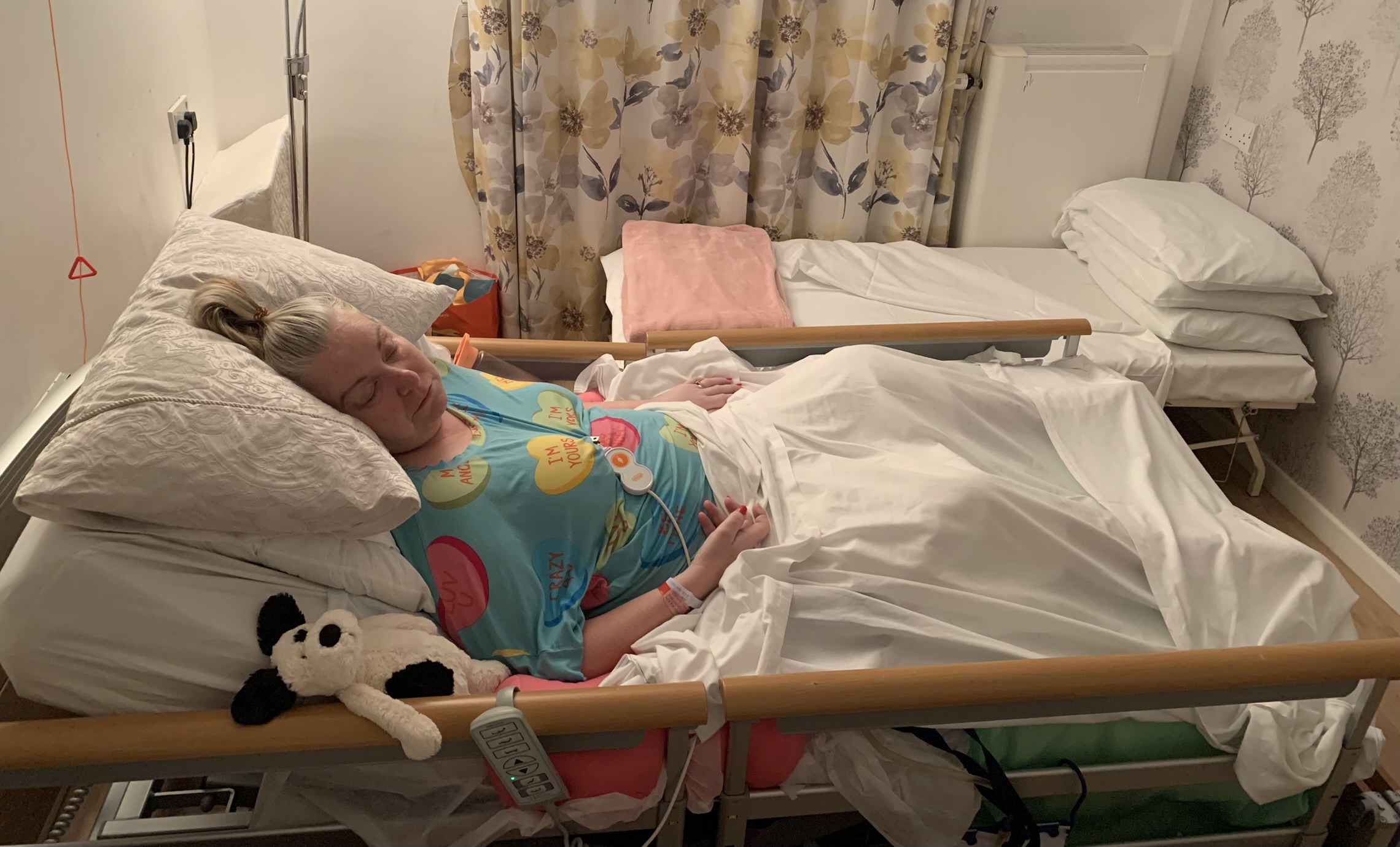
We took advice from the occupational therapist and had a hospital bed delivered for Julie. Our double bed went back upstairs and a single hospital bed was set-up in the living room with a single bed for me next to her. By June, Julie was in that bed permanently. We were side by side, close enough to hold hands, but everything had changed.
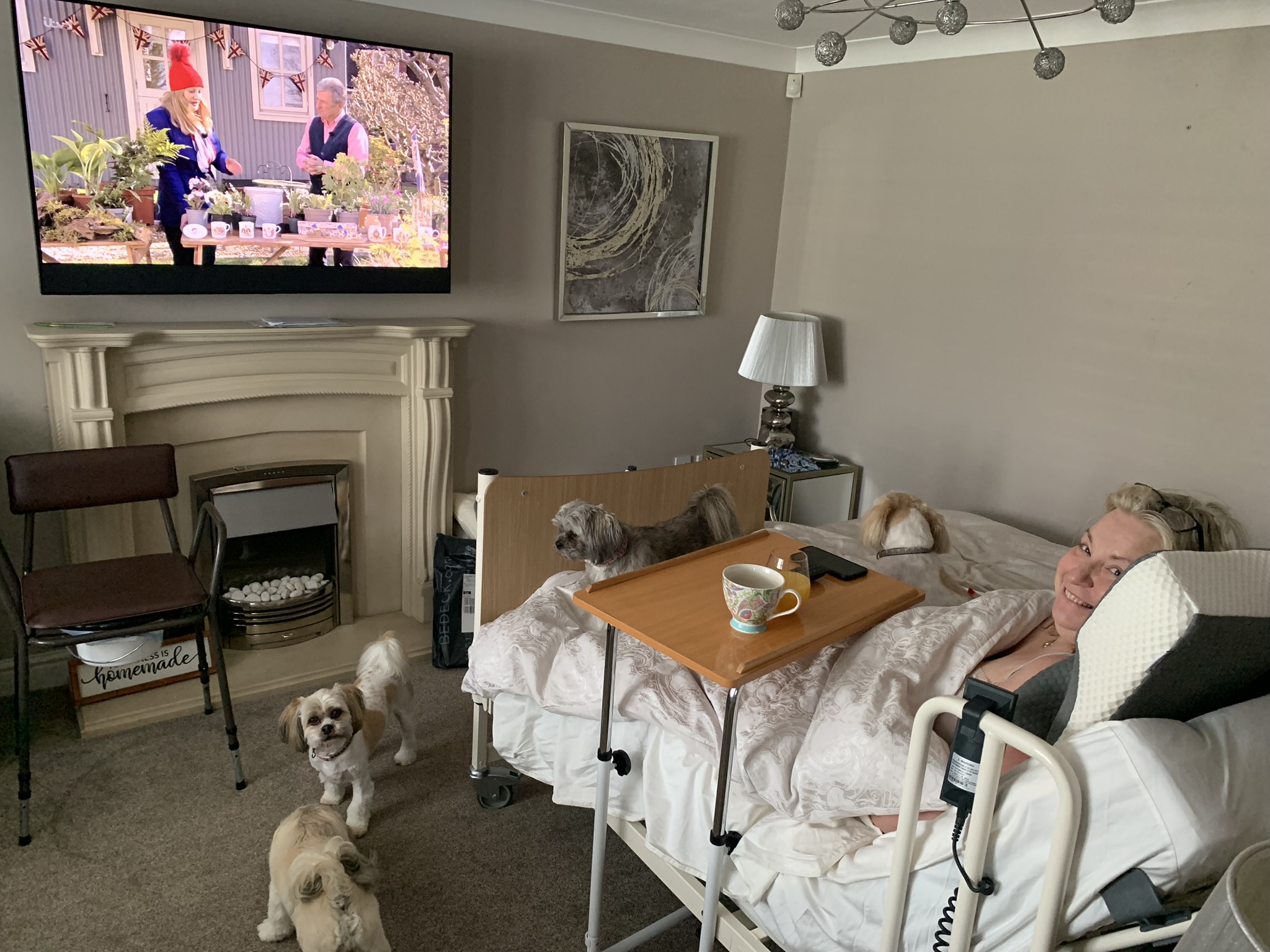
From the beginning I was determined to keep Julie at home for as long as it was safe. We converted the garage into a shower room as we were fortunate we had the space and we could afford it. But that’s not the normal story. We were lucky and I can say now, without hesitation, that I have no regrets. There’s nothing I would have done differently.
When the time came for the hospice, once again she made the decision herself. There was no second guessing, no sentimentality about leaving the house. You wouldn’t have thought she was leaving her home for the last time. She handled it brilliantly. I’m so proud of how she did it. Her resilience and strength were incredible. People drew strength from her strength.
Privately, late at night and early in the mornings, we had the hard conversations. But publicly, she remained incredibly strong. Julie was popular. Every day, people were coming to see her, sometimes multiple visitors. And while the quiet moments alone together were always the best for me, it was also wonderful to see her surrounded by people who loved her, to see her happy.
Every day matters and volunteering
One phrase from the MND Association that stands out to me now is every day matters because that became how we lived. We didn’t know what the next day would bring, but we laughed, we joked, we stayed present. Even in the hospice where Julie spent 25 days, there was still joy, still laughter and still family moments. It might have been cloaked in sadness, but truly there was still beauty in it.
This isn’t a story about despair. This is a story about a woman with extraordinary resilience, facing something unimaginable and still choosing love, humour and presence. That’s the reality of MND that people don’t see.
I waited a year before getting involved with the MND Association as an Association Visitor. It gives me the chance to talk about Julie, which I value deeply, and it fulfils my need to give something back. Even though I absolutely hate MND, I choose to keep it close because if I can be of benefit to someone else going through this, then that matters.
Volunteering gives me purpose. It allows me to honour Julie, to share what I’ve learned and to help others feel less alone. And that, for me, makes it all worthwhile. I genuinely enjoy it and I’m glad I got involved. It allows me to help others where I can and to live alongside my grief in a way that feels meaningful.
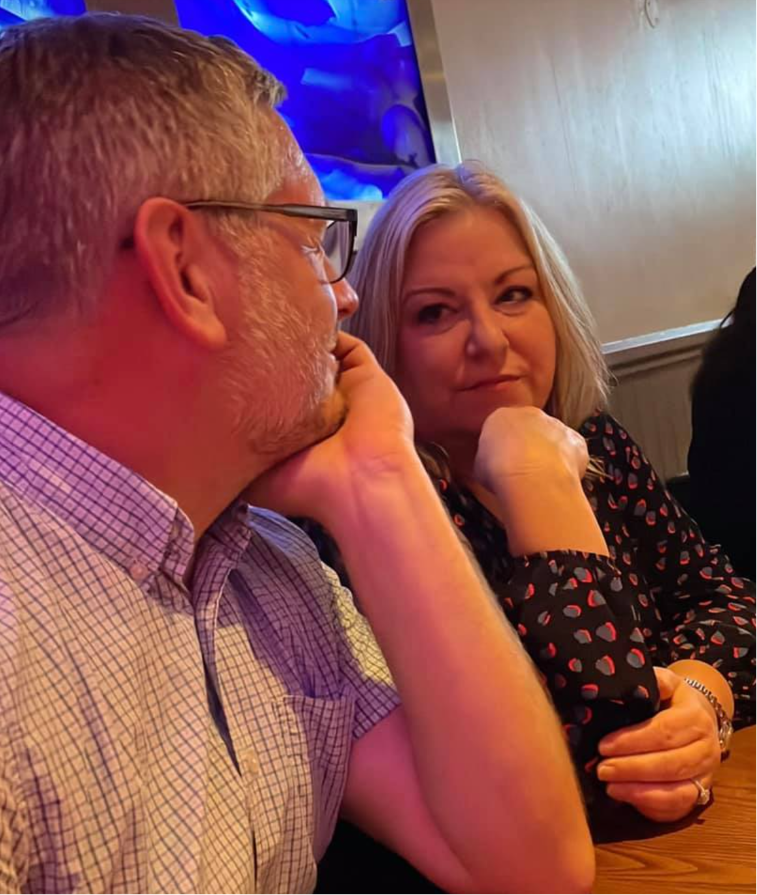
You’re also inspired by the people you meet. Some of the people I’ve met are dying. Some have been given the worst diagnosis imaginable. And yet they still have strength, humour and dignity. That inspires you to be better, to live better. And for the small amount of time volunteering takes, the benefit you get back is enormous.
Love, loss and lessons
From the moment you’re diagnosed, you know this is how your life will end. There is never a moment when you think you will overcome it. You’re not fighting to beat it, you’re learning how to live with it. And somehow, that creates a different kind of strength.
Grief isn’t about overcoming something and leaving it behind so that you can move on. It’s about learning to live alongside it. It comes with you everywhere. My experience of being with Julie, of seeing how hard things were for her, stays with me. The courage she showed still inspires me today. When life feels difficult, when something goes wrong and you think your life is full of problems, I remind myself of what Julie lived through. Knowing her life was ending, knowing what was coming. Nothing I experience now will ever be as hard as that. And if she could face it the way she did, then I can face whatever comes my way too.
What I did learn was how powerful love is. Love carried us through that period. And that doesn’t just mean love for another person, love for yourself matters too. Love gives you strength. It helps you do things you never imagined you could do.
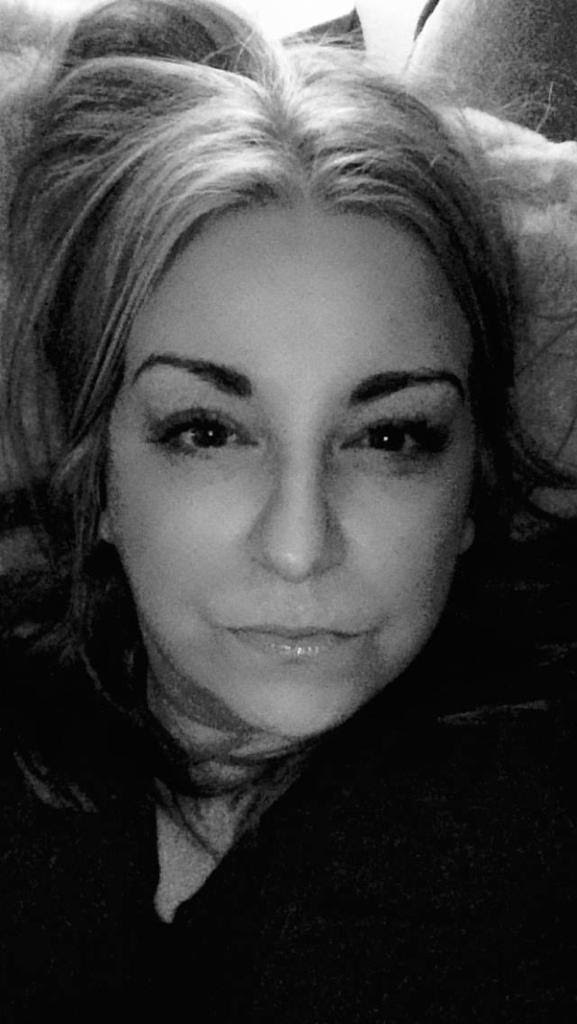
After Julie died, the learning continued. Grief demands strength, resilience and patience. Life doesn’t prepare you for it. We don’t talk about grief enough. We don’t learn about it until we’re right in the middle of it. It’s not a mainstream conversation.
I now know that life is far more fragile than I had ever imagined and that courage has many different meanings. To not take things for granted.
However, the main thing I take away from this experience is that watching Julie fight her MND taught me what it truly means to be a hero. To show heroic strength, to be fearless and inspirational. I now carry that strength with me every day.