18 June 2026 Blog
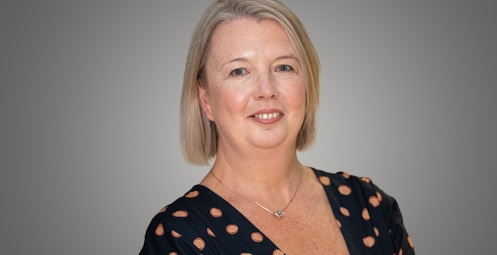
Sally Hughes, the MND Association's Director of Services and Partnerships
Communication sits at the heart of all our lives. It is how we stay close to the people we love, ask for help and hold on to our sense of self. When that becomes harder, the impact can be profound. That is why I am so proud to support a new project built on a simple belief: everyone deserves to feel heard, understood and included.
Our new learning resource, named Better Conversations, has been developed in collaboration with University College London (UCL) and features videos of real conversations with people with MND.
The project highlights the varied and individual nature of communication experiences in MND, including what helps conversations go well, what leads to breakdowns and how people work through difficulties. The result is a practical tool offering evidence-based, personalised strategies to support better conversations.
Why Better Conversations Matters
When MND affects speech, the impact reaches far beyond talking. Everyday exchanges with family and friends can become harder, healthcare appointments more complex and important decisions more difficult to navigate. Communication changes affect relationships, confidence, access to care, quality of life and emotional wellbeing. That is what makes this work so important.
One of the clearest lessons from this project is that communication support works best when it goes beyond tools alone. The greatest impact comes when support includes the people around the individual, from their family and friends to the professionals involved in their care. No one should be left to navigate these challenges alone.
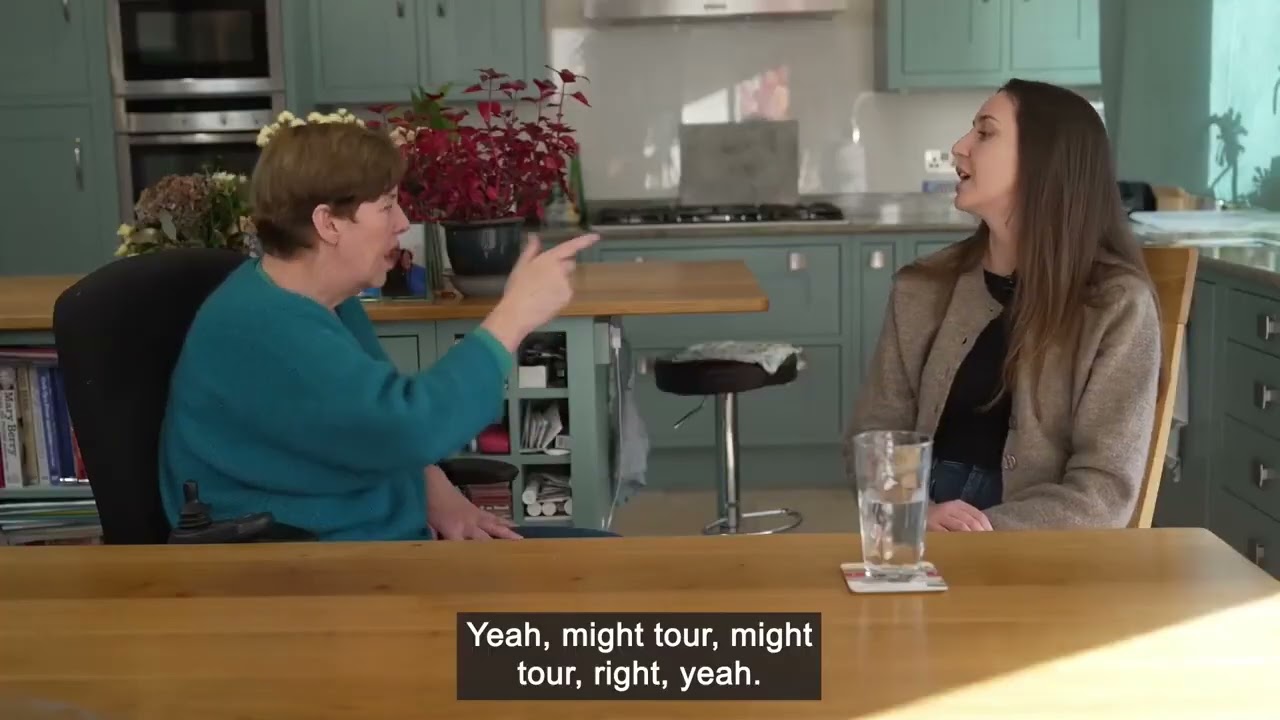
One section of the resource looks at how to repair conversations when things go wrong. In this clip, Caroline, who is living with MND, and her daughter Lois recognise when communication has broken down and work together to rebuild understanding.
For anyone affected by MND
We know MND can reshape conversations in everyday life, at home and in healthcare settings. Our aim is to support anyone involved in making communication more confident, compassionate and inclusive.
For people living with MND and their families, these videos will help them recognise challenges, reflect on what supports interactions, and find further advice and support, making communication feel less isolating and more possible.
For speech and language therapists, including students, it will support the planning, delivery and evaluation of communication partner training, turning compassion and understanding into practical action. For other health and social care professionals, it will help them respond more thoughtfully to communication challenges in their own practice.
Personalised support grounded in real-life evidence
Better Conversations is built on what actually works in real life. We’ve worked closely with researchers from the UCL Better Conversations Lab, whose expertise in communication difficulties helped shape the project and keep it practical and relevant.
We’ve also worked with seven couples living with MND, who feature in the videos sharing real conversations, honest reflections and practical tips ─ showing the difference personalised support can make.
For me, this balance of evidence and lived experience is what makes this work so powerful and gives me real confidence in its future. This is far more than a learning resource. It will help shift how communication is understood and supported in MND, and its impact will grow through the people, professionals and families who use it.
I am incredibly proud of its possibilities: more understanding, more connection and more moments where people feel heard and supported when they need it most.
What's next?
If you or someone close to you is living with MND, you can now explore the Better Conversation webpages.
These videos will help you reflect on what could support communication in your everyday life. Sharing the resource with family, friends and professionals can also help build understanding and support. If communication is becoming more difficult, speak to your speech and language therapist or care team to find strategies that are right for you.
If you are a health and social care professional, you can use this resource as a shared point of reference when working with someone with MND, to better understand how communication in MND works in real-life conversations.