People living with MND and their family members share practical advice and tips for others.
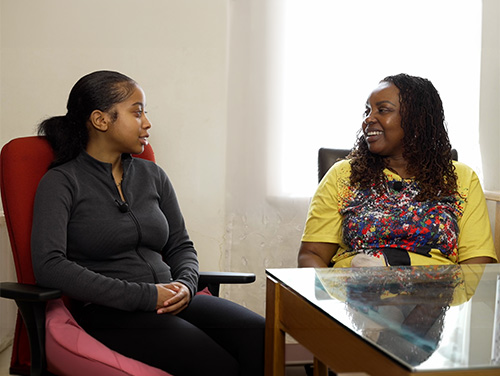
Yvonne and Kayla
Yvonne and Kayla discuss what helps make conversations easier for Yvonne, including being relaxed, patient and taking time to listen. They also reflect on the emotional impact of speech change, feelings of isolation, and the importance of helping people understand communication changes in MND.
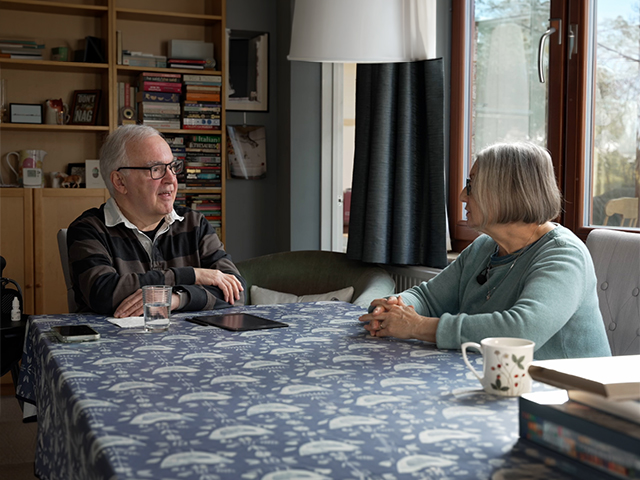
Mike and Loraine
Mike and Loraine discuss the importance of patience in conversation, including giving Mike time to respond and asking him to repeat things when needed. They also reflect on Mike wishing he had banked his voice earlier, and how quieter environments can make communication easier.
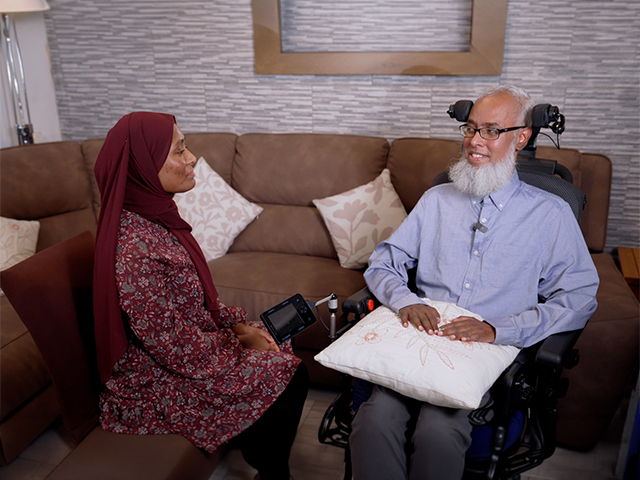
Suyal and May
Suyal and May discuss how quickly Suyal’s voice changed and encourage people to consider voice banking before speech starts to change. They also talk about the importance of patience, and of letting Suyal know when he has not been understood so he can repeat or rephrase what he is saying.
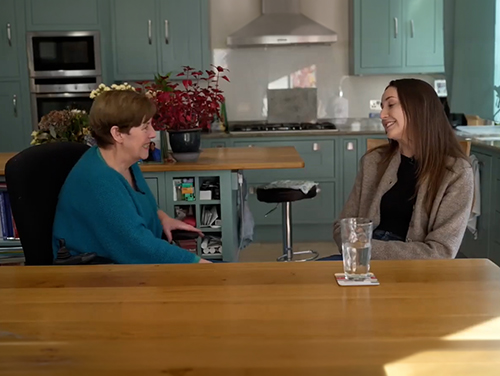
Caroline and Lois
Caroline and Lois discuss the day to day changes in Caroline’s speech and how tools like a whiteboard and phone can support communication. They also reflect on the importance of voice banking early after diagnosis, and explain why people should ask Caroline to repeat words they have not understood rather than pretending to understand.
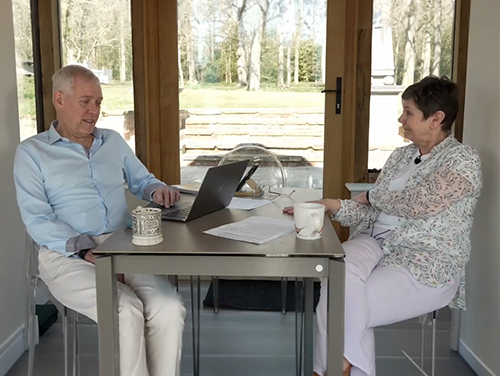
Andrew and Rosaleen
Andrew and Rosaleen discuss the importance of patience when communicating, as typing messages takes time. They also encourage people to consider voice banking early after diagnosis and reflect on the importance of planning ahead for physical changes, including exploring eye gaze technology.
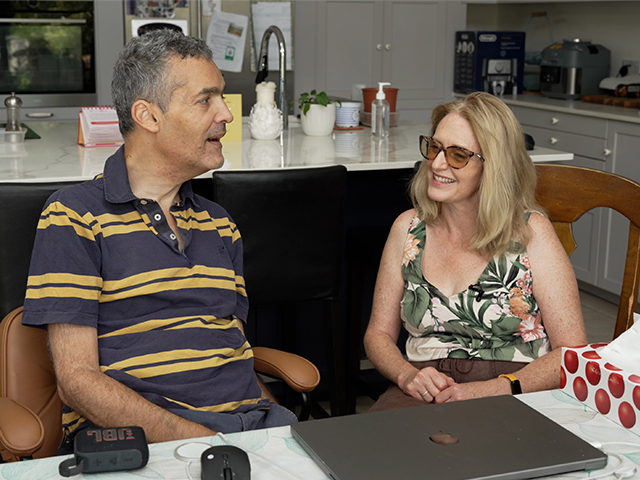
Phil and Louise
Phil and Louise discuss how text to speech technology helps Phil prepare what he wants to say in advance, and why Louise encourages people to consider voice banking before speech starts to change. They also talk about the importance of patience, listening, and giving Phil time to respond in conversation.
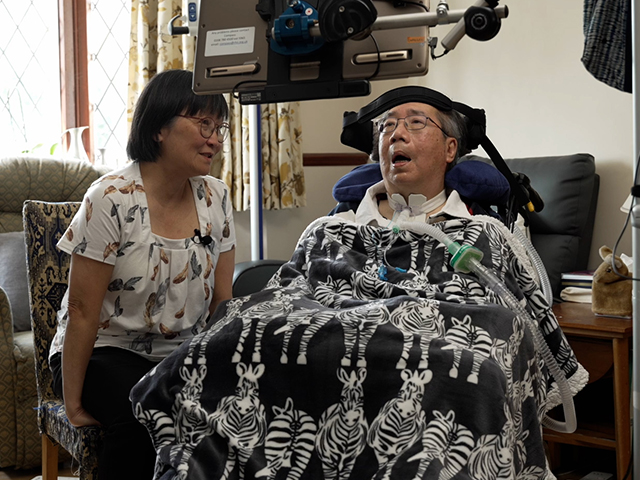
KT and Kuai Peng
KT and Kuai Peng discuss how voice banking preserved KT’s voice, how eye gaze technology supports communication, and the importance of non verbal communication when KT cannot use the computer. They also share practical advice about using alphabet charts and avoiding predicting what someone is trying to say.