13 July 2026 Blog
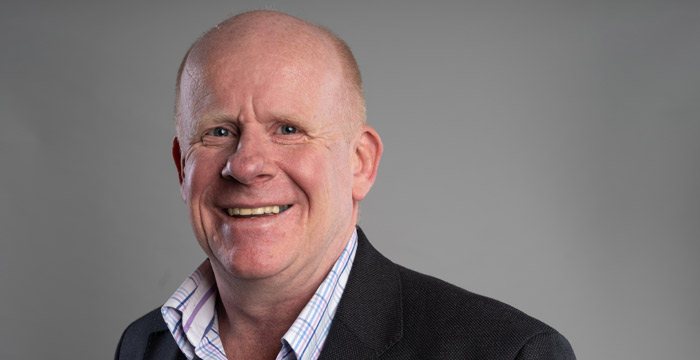
Dr Brian Dickie, MND Association's Chief Scientist
Modern biomedical science is highly complex and technologically challenging. It needs teamwork – locally, nationally and also internationally – to make sure the most experienced and knowledgeable people are working co-operatively to answer specific research questions. This is particularly relevant when it comes to relatively rare conditions such as MND. We can’t have researchers operating in silos.
How we bring researchers together
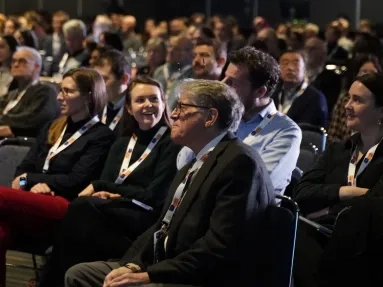
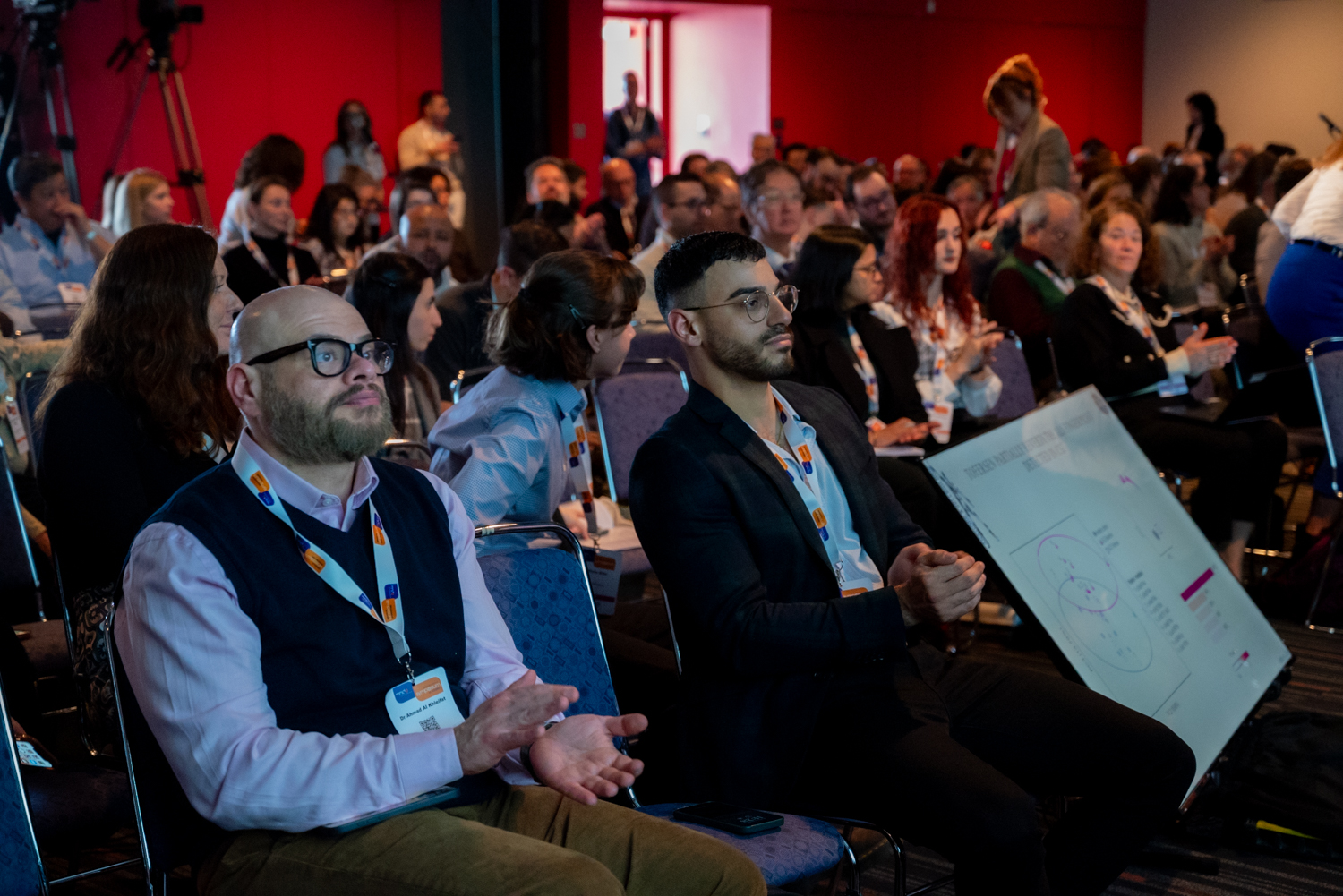
One of the ways we facilitate this ‘joined up thinking’ within the scientific community is by bringing the global MND research world together through our annual International Symposium on ALS/MND. Meetings like this are not just about sharing the latest knowledge and findings – they’re also where new ideas are generated and new collaborations emerge.
The Symposium is the largest and most comprehensive research meeting in the MND research calendar, bringing together over 1,200 scientists and clinicians from over 45 countries, with several hundred more joining online. For me, one of the clear signals that research is heading in the right direction, and translating basic ‘discovery’ science into translational ‘treatment focused’ research, is the increasing number of biotech and pharmaceutical companies that attend and organise satellite meetings around the Symposium. This is significant because such involvement can bring new elements of expertise, funding and resources.
Industry collaboration is crucial to the development of new treatments, given the way research costs increase dramatically as the science moves from the lab to the clinic.
International collaboration on genetics for targeted treatments
If we expect the research community to collaborate then we, as funders , also need to show our willingness to support their work through jointly funding of large-scale, collaborative pieces of work that none of us can do by ourselves.
One of our earliest forays into funding ‘Big Science’ was in 2003, when we worked with the Wellcome Trust to fund the creation of our award-winning DNA Bank UK MND Collections to support more research into the genetic factors involved in MND. By ‘Big Science’, what we mean is tackling research projects that are usually too big and expensive for any one lab to handle alone. Clinicians across the country collected over 3,000 blood samples from people with MND and their families, co-ordinated by three hub sites in London, Birmingham and Sheffield.
From the samples, scientists can use a process called genome sequencing (which involves reading a person’s genetic code to find disease-related change) to help understand what causes MND and develop more targeted treatments.
This process was phenomenally expensive in those days, but we predicted the costs would plummet as the technology improved, so we needed to make sure that samples were available for when this happened. This early groundwork meant we were front and centre with an international gene-hunting collaboration called Project MinE, by providing both the DNA samples collected so many years earlier and the funding to have the genetic codes sequenced.
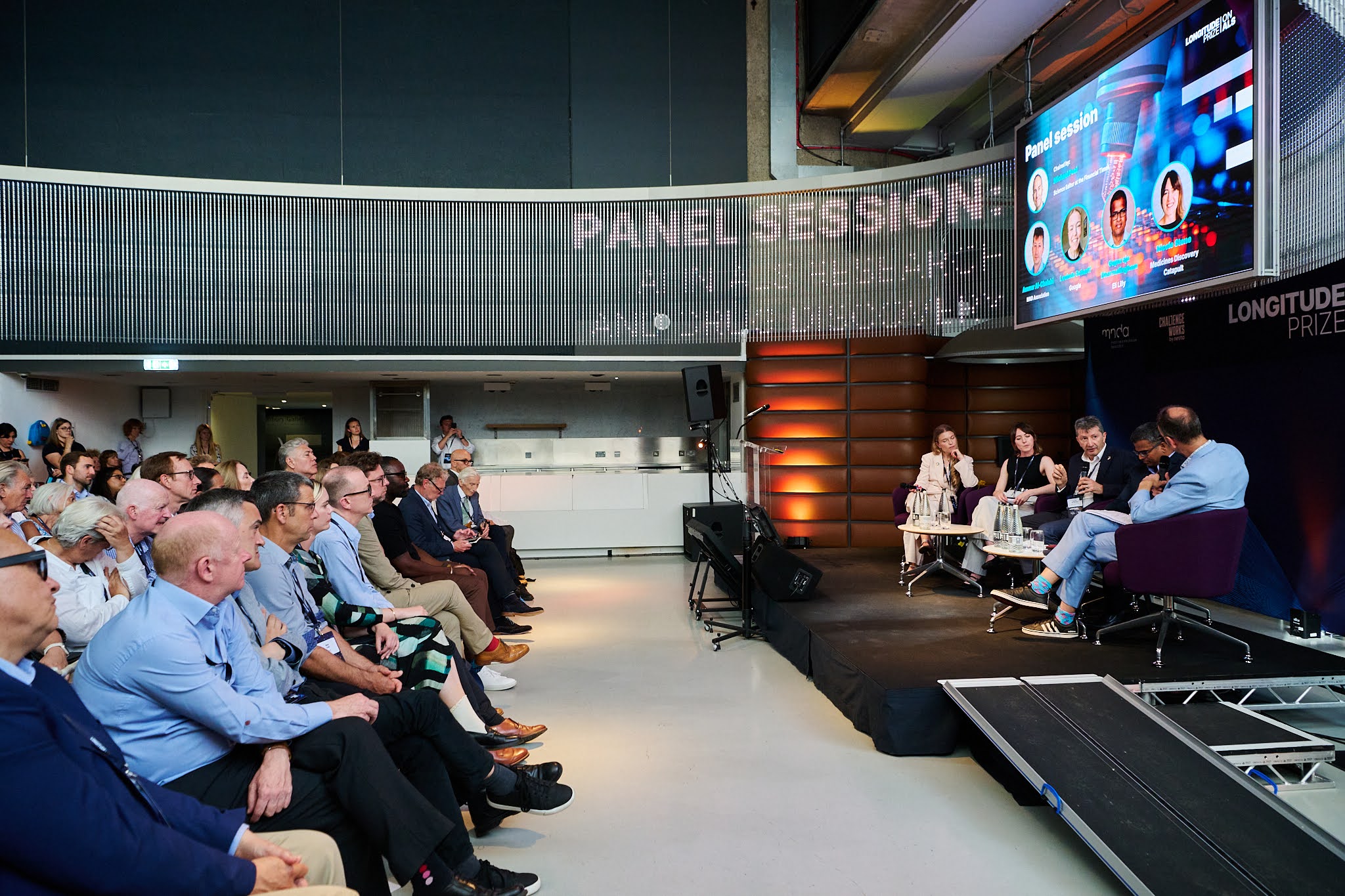
Many of the recent advances in scientific knowledge about MND have their foundations in genetic research, with much of it involving samples and data from MND Collections and Project MinE. Excitingly, we’re now also seeing the data being used to identify new drug targets for treating the disease through initiatives such as the £7.5 million Longitude Prize for ALS.
The Project MinE initiative currently involves 21 participating countries across the world and demonstrates what could be achieved through collaboration. It has provided the model for several other national and international initiatives in areas such as bioinformatics, biomarker research, healthcare studies and clinical trials.
Putting our money where our mouth is
We’re also a funder of the UK MND Research Institute which is really helping to join the collaborative dots between leading universities and hospitals across the country, increasing the pace of research and MND and treatment development. It’s encouraging to see other countries are looking to emulate this co-operative model, which will generate more international collaboration as well.
One initiative, the EXPERTS-ALS platform, seeks to test drugs quickly and efficiently, in order to identify the best candidates to go into clinical trials. It’s an innovative and exciting programme, which has strong roots in longstanding collaborations involving the Association, particularly our work supporting the development of the NfL protein as a biomarker in MND. This research underpinned subsequent studies that provided vital evidence on the effectiveness of drug tofersen for SOD1 MND and the hope is that EXPERTS can help deliver similar strong candidates that will prove to be effective in future clinical trials.

Finding tomorrow’s treatment
The growth of global research in MND over the past two decades has been exponential, although the biggest challenge still faces us in turning this vast amount of new knowledge into treatments. It’s often said that "MND is not incurable, it’s underfunded", which is why we’re looking to significantly increase our research commitment, investing at least £20 million a year within the next five years. There is increasing confidence across the research community that we can understand, treat and eventually defeat this devastating disease.
We can accelerate progress by continuing to ensure we bring together diverse knowledge and skillsets, nationally and internationally, to make the whole greater than the sum of its parts.
To quote Helen Keller: “Alone we can do so little; together we can do so much”.