June 2026 Caregiving
Meet Courtney and Frankie...
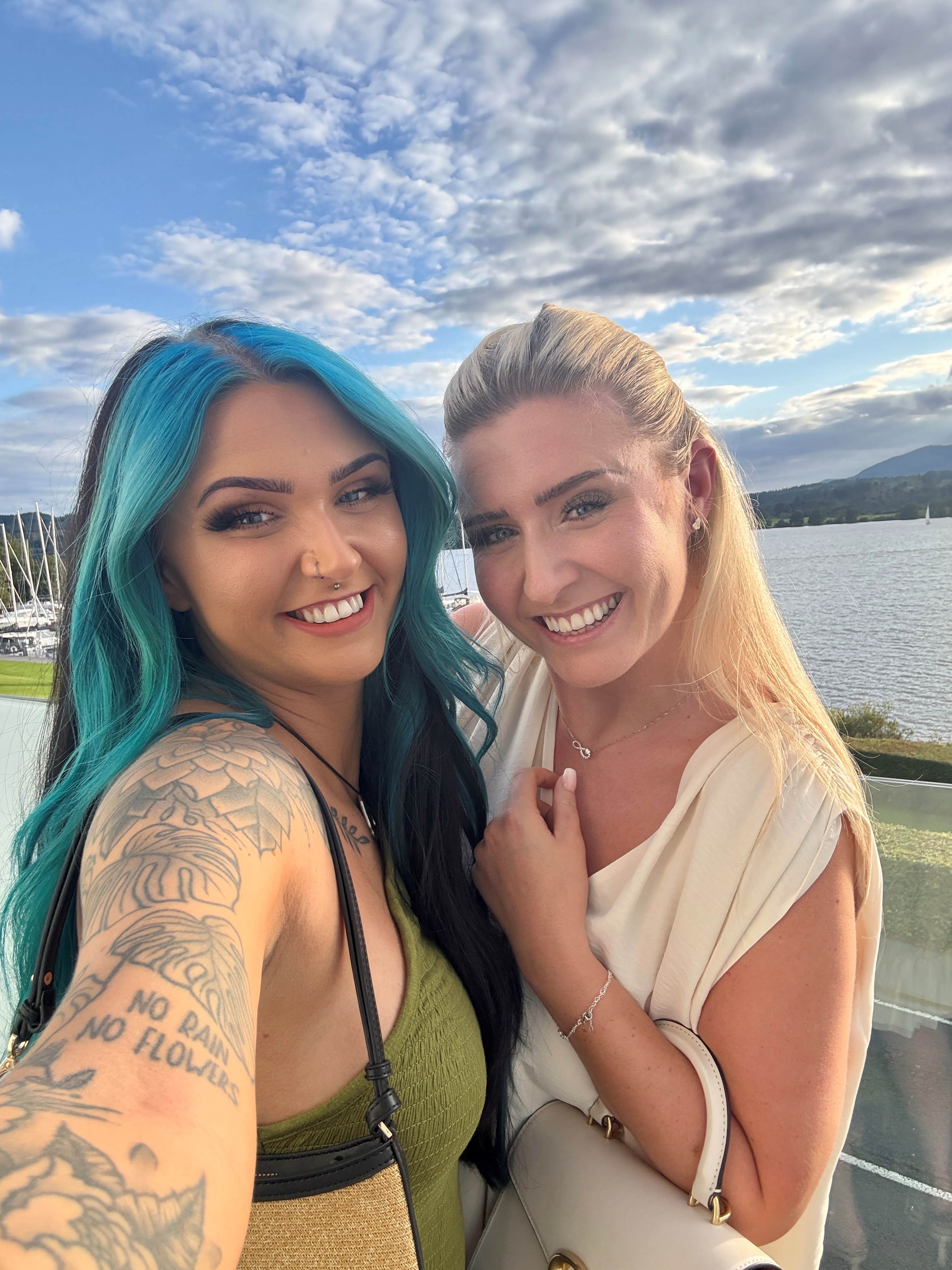
Courtney (31) and Frankie (27), share their experiences caring for their mum with MND. The sisters detail the challenges including her erratic behaviour due to frontotemporal dementia (FTD) and the lack of proper medical support and understanding. They reflect on the emotional toll and the physical strain of caring. Despite the hardships, their bond strengthened and they found humour in their difficult situation. They emphasise the importance of making memories and taking photos with loved ones.
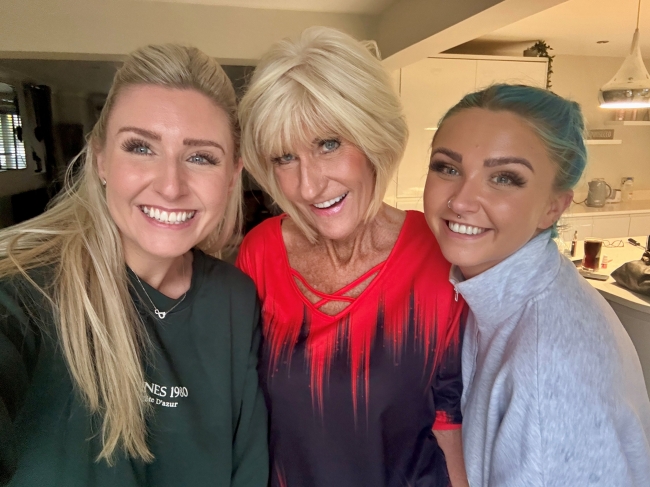
Courtney (L) and Frankie (R) shared their story with us in May 2026.
Our mum
Courtney:
Mum was so funny. She had the best sense of humour – very direct, dry and to the point. She was so caring and she was absolutely stunning. I know everyone says that about their mum, but honestly, if she walked into a room, everyone noticed her.
She always had her heels on. Her hair was always done, makeup done, false eyelashes on, nails done.
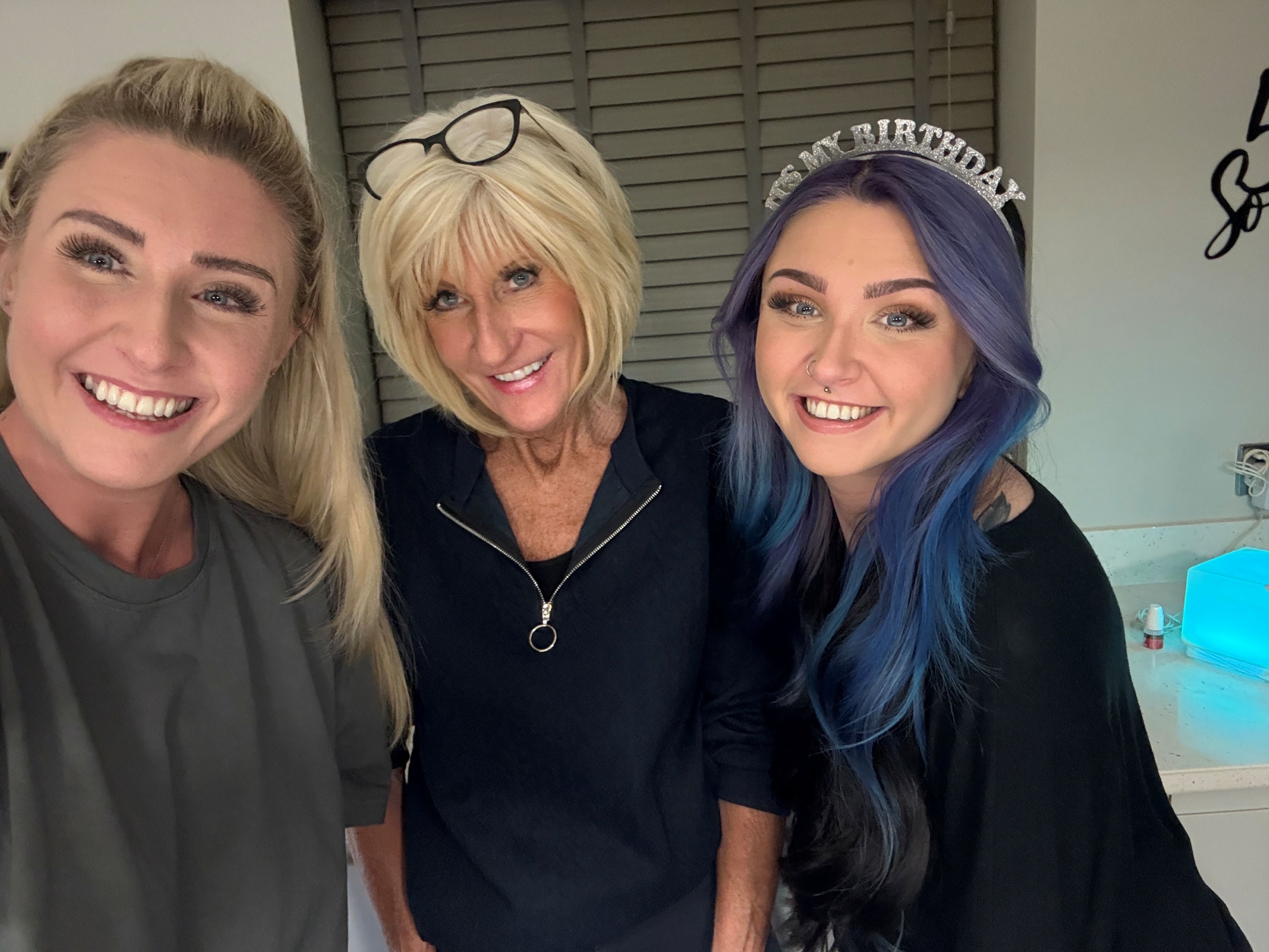
Even right up until the end, she still had her nails done. She was so glamorous, so put together, but also so caring and motherly and not just to us, to everyone. She lit up a room.
Frankie:
She really was my best friend. I rang her all the time. If I had a problem I’d always ring Mum. She was my go-to person and my biggest supporter.
Courtney:
We had such a close relationship with her so when she died it felt like we’d lost a friendship as well, not just a mum.
Diagnosis
Frankie:
Courtney noticed Mum was slurring her words. The next day we video called her and it was still happening.
She kind of ignored it at first, which I think a lot of people would. Then about a week later, she started having small choking episodes. At one point they said it might be a brain bleed, then they said it might be cancer. It was just hospital after hospital, appointment after appointment.
Courtney:
Her symptoms started properly around 17 October.
Frankie:
I remember I went to see her and she was so thin and she was slurring a lot more. I noticed all the food she was eating was mushy. I told her to go to A&E because I was worried and it just didn’t feel right. Something was wrong.
Courtney:
I always thought MND started in the legs and led to wheelchairs. I didn’t know anything about the swallowing issues, the speech deterioration, or the breathing problems. I didn’t know that was even part of it. I genuinely just thought your body got paralysed. The NHS didn’t really know what to do with us. They sort of left her to it. So she decided she was going to go private. She paid for a referral to a private hospital.
Frankie:
Weirdly, I was getting my tonsils removed whilst Mum was having her tests done. She found out she had MND and didn’t tell anyone for a whole week because she wanted me to get my tonsils removed and concentrate on getting better. She knew that if she told me, I wouldn’t have gone through with it – and I’d been waiting a long time for the surgery.
The impact of caring for MND
Courtney:
I was convinced they had it wrong – that it was a stroke or a tumour. I just couldn’t accept it. But time went on and by around February, the swallowing got really bad, really quickly. It was horrendous. When things started to get worse, I started to accept it was MND. Between Frankie’s research and Mum’s symptoms, there was no denying it.
Frankie:
The thing I found really difficult is the lack of understanding and experience of MND with healthcare professionals. It can make things ten times harder for the person diagnosed and their family because you’re having to educate the healthcare professionals on what MND is and the symptoms. It’s exhausting.
It was relentless. Everything felt urgent. Everything felt critical.
Courtney:
There was no space to stop. No space to grieve while she was still alive. We just had to keep going.
Frankie:
She also had symptoms that pointed towards dementia as well. She just wasn’t herself by the end of it. Her personality changed. The sad thing is no one ever properly tested her for dementia. There was never a clear diagnosis. And that was incredibly hard. Then it was suddenly written on her death certificate. That was how we found out.
The only reason we even knew about frontotemporal dementia (FTD) was from the MND Association website.
Courtney:
We never wanted her to see how badly we were coping. If I felt myself about to cry, I’d make an excuse to leave the room. We didn’t want her to know how much we were struggling.
Those first few months of caring, me and Frankie barely saw each other. That was so hard.
Everything came through us. All the admin. All the chasing. All the explaining.
Association support
Courtney:
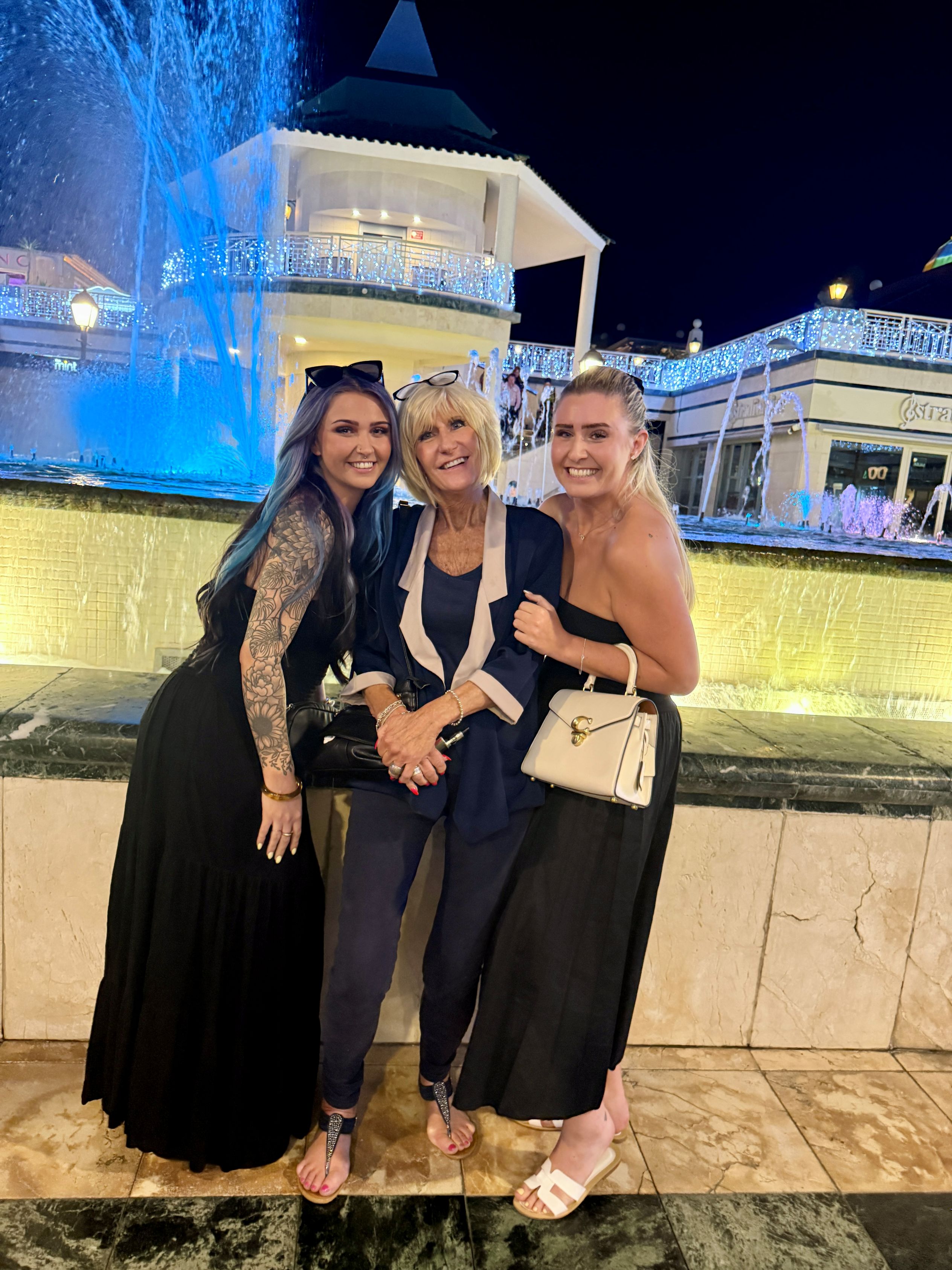
For Mother’s Day we decided to take her on holiday. Based on how fast things were moving, we wanted to make some special memories so we decided to take her to Tenerife. It was our favourite place to go as a family.
When we were there she fell over badly. Everyone was staring. It was awful. She cut her face and people were stopping saying she was drunk and not to let her back in the bar. We used the cards you can get from the Association’s website that explain MND and the symptoms. Frankie actually translated them to Spanish! They helped so much.
Frankie:
The support funds from the Association were incredible. The cost of living one helped day‑to‑day. We were travelling two hours each way to care for her. People don’t realise the cost of MND – financial and emotional.
The wellbeing support fund paid towards our holiday to Tenerife. We had another support fund that paid for a log cabin break for the three of us when Mum had progressed and we couldn’t take her abroad.
Courtney:
I honestly don’t think we’d have done those things without the support funds and having that support makes a huge difference. For such a rare, underfunded disease, the fact the Association gives people money to make memories blows my mind.
Frankie:
We had a support fund that paid towards the stairlift as well. It’s not just help with bills, it’s help to live.
Courtney:
The support groups were brilliant. The validation was so precious.
Managing end-of-life care
Frankie:
When things started to get really bad, we had visits from the end-of-life nurses from our local hospice.
We also had a visit from the GP who gave me medication to administer when Mum started to get towards the end. She didn’t explain it very clearly to me – and I wasn’t in the right head space anyway, my Mum was dying!
Now, I’m really passionate about talking about our experience. I want people trained. I want people to understand. It feels like no one cares. No one knows. Medical professionals don’t seem to understand it. They think it’s MS.
Courtney:
Mum was 61 when she was diagnosed. She died at 62. That’s not old. We’d just got to a point where we were settled in life. We could go on holiday with her, properly spend time with her. And then she got ill.
It feels like we have been robbed of a future with our mum. She should have had more time.
Everyone kept saying, 'take a break, take some time off' but you can’t take a break.
Frankie:
We always calmed each other down. We were constantly supporting each other.
Life after MND
Courtney:
We talk to her like she hasn’t gone. We eat her favourite food. We drink what she liked. We watch programmes that remind us of her. It keeps her close.
Frankie:
We just talk about her all the time. We like to remember how she was.
One thing that really bothers me is how people assume they have to talk slowly to someone with MND, or in a baby voice, like they can’t understand. Mum never lost that. She lost her empathy because of her FTD, but her mind was there. She could understand everything.
Courtney:
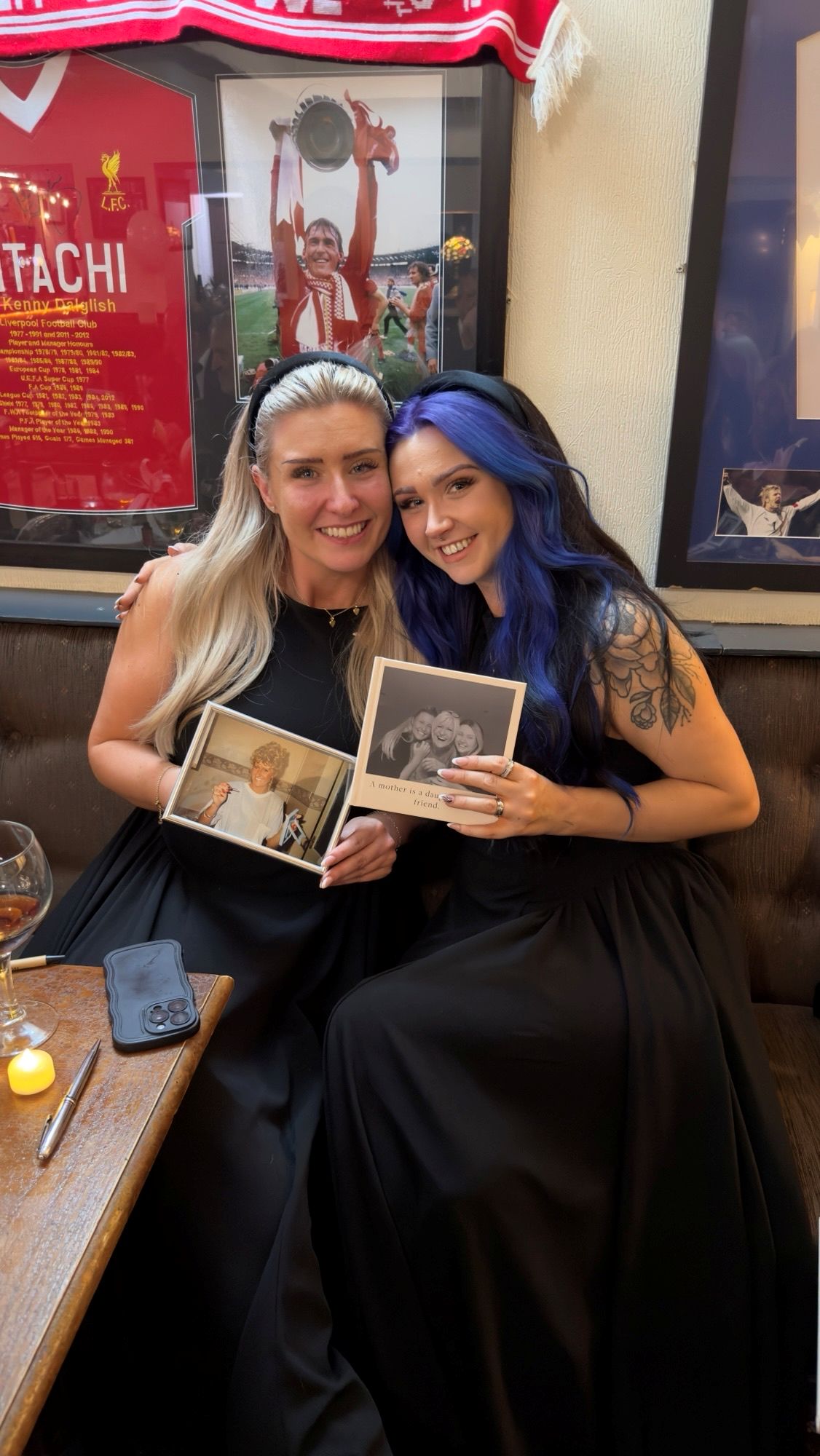
The local pub, where our mum used to visit every day, are doing a big charity music day in August in her memory.
It’s so important. People really need to know about this disease.
That’s what we’re trying to do now. Keep talking, keep her here, keep making noise.
Advice to others
Frankie:
If someone asked me what advice I’d give, I’d say try to let the little things go. Try to focus on what’s important. Try not to get angry. Focus on the good as much as you can.
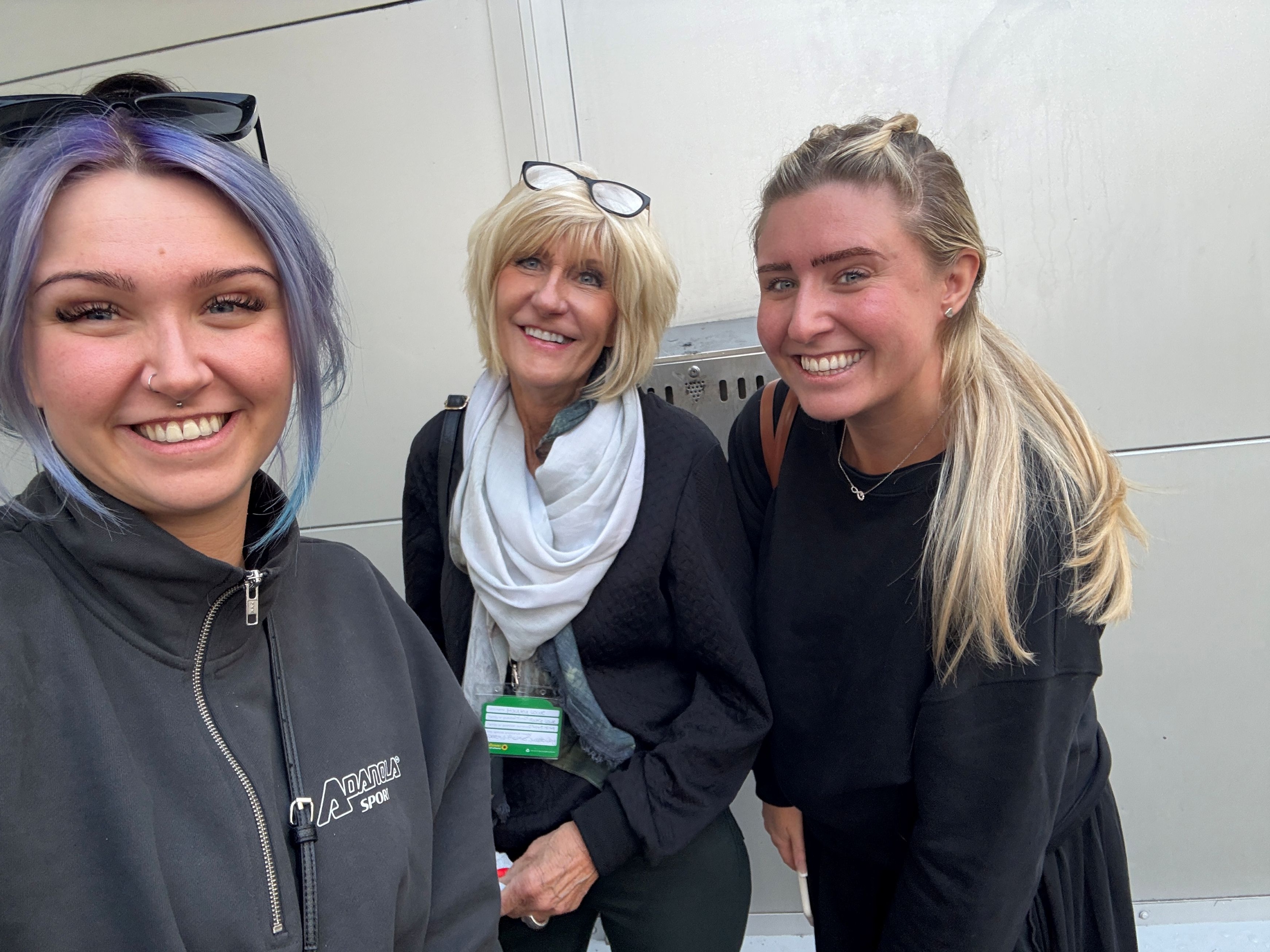
Make as many memories as you can. Take as many photos and videos as possible.
Courtney:
Take videos. Honestly, this was such a big thing for us. I’m so grateful we put a camera in the corner of the room and just let it record.
Even things that seem stupid like standing in the room making a cup of tea, having a drink, or just pottering about. At the time it felt painful. Now, it’s comforting.
Frankie:
We always thought we were forcing it whenever we were taking photos, but you’re not. Even if you think the pictures aren’t great, or you don’t look nice in them because you’re run down, take them anyway.
Courtney:
There isn’t a ‘right way’, it’s whatever works for you.
But the pictures and the videos are the most precious things we have now.
Frankie:
Finding a community of people who get it has helped us hugely. Talk to people who understand, join Facebook groups.
Don’t be afraid to make memories and don’t worry that you’re making them all too close together, because things change so quickly.