
The Lady Edith Wolfson Fellowship Programme attracts and develops the careers of outstanding young Clinical and Non-Clinical researchers in order to create the future scientific leaders in the field of MND Research. Find out more about our current fellows below.
Clinical Research Fellowships
The first Clinical Fellowship was awarded to Professor Martin Turner (who was Dr Martin Turner at the time) from the University of Oxford in 2008. The Clinical Fellowships are funded in a partnership with the Medical Research Council (MRC).
Dr Alex Thompson (University of Oxford)
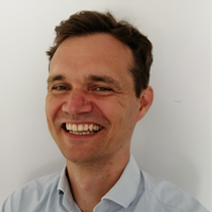
The project aims to study people carrying genetic alterations that predispose to MND in the years before symptoms begin. By measuring the levels of thousands of proteins in cerebrospinal fluid – the fluid closest to the cells affected by MND – Dr Thompson aims to detect MND-related changes occurring in the nervous system long before the start of MND symptoms. This will hopefully shed light on the mechanisms that lead to the development of MND, paving the way for new therapies, and develop ways of predicting when MND will begin in order to allow earlier treatment of MND – even before symptoms develop.
Find out more about this research
April 2020 - April 2026
Dr Kiterie Faller (University of Edinburgh)

MND is an ‘energy hungry’ disease meaning that people with MND burn more energy due to an increased metabolic rate. The brain and central nervous system (CNS), which includes motor neurones and the spinal cord, need a lot of energy they are constantly communicating with each other and the rest of the body. In MND, it has been suggested these cells may not be getting the amount of energy they need to function properly and this could lead to cell damage. This project will be looking into this idea and assessing what happens to the cells in the brain and CNS when they are starved of energy. The study also aims to investigate the relationship between cells in the spinal cord to understand more about the biological pathways that might be impacting the production of energy in the body, and how these pathways are different in MND.
Find out more about this research
September 2023 - August 2028
Previous Clinical Research Fellows
- Prof Martin Turner (University of Oxford) | August 2008 - July 2013 and August 2013 - August 2018
- Dr Robin Highley (University of Sheffield) | February 2009 - January 2012
- Dr Ceryl Harwood (University of Sheffield) | April 2009 - March 2012
- Dr Pietro Fratta (University College London) | Sep 2010 - August 2013 and April 2015 - March 2019
- Dr Johnathan Cooper-Knock (University of Sheffield) | September 2012 - September 2015
- Dr Jemeen Sreedharan (University of Massachusetts Medical School and the Babraham Institute) | June 2013 - February 2018
- Dr Jakub Scaber (University of Oxford) | August 2013 - August 2016
- Dr James Bashford (King's College London) | October 2016 - September 2019
- Dr Emily Feneberg (University of Oxford) | October 2017 - August 2019
- Dr Arpan Mehta (University of Edinburgh) | August 2017 - January 2021
- Dr Rickie Patani (University College London and The Francis Crick Institute) | March 2019 - February 2024
- Dr Pietro Fratta (University College London) | October 2019 - September 2024
- Dr David Lester (University of Oxford) | August 2023 - September 2025
An additional Clinical Fellowship was co-funded with MND Scotland and the Scottish Government Chief Scientist’s Office:
- Dr Danielle Leighton (University of Edinburgh) | August 2015 - August 2018
Non-Clinical Fellowships
The first Non-Clinical Fellowship was awarded to Dr Russell McLaughlin from Trinity College Dublin in 2016. The Non-Clinical Fellowships are funded solely by the MND Association.
Dr Rebecca Saleeb (University of Edinburgh)
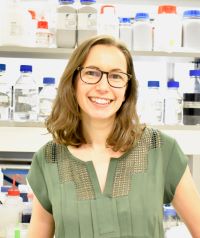
Some cases of MND are caused by a build-up of a protein called TDP-43, which clumps together to form toxic “aggregates”, leading to motor neuron damage and death. The differences in symptoms and severity between people with MND may be partly due to differences in aggregates of TDP-43. A custom-designed technology has been developed that allows the features of aggregates to be seen in high levels of detail so they can be characterised by similar features. Dr Saleeb’s project will use this state-of-the-art technology to characterise the differences between different TDP-43 aggregates in post-mortem tissue. This information will be used alongside knowledge of how the disease developed to identify different aggregate types and investigate their use as early markers of disease prognosis.
Find out more about this project
April 2023- September 2026
Dr Hamish Crerar (University College London and The Francis Crick Institute)
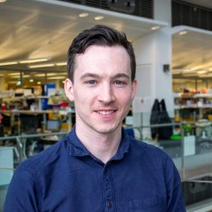
While research into MND has improved our understanding of what is changing within the motor neurons in the disease, current knowledge of why these changes occur is limited. One of these changes is the incorrect processing and placement of a molecule called RNA, which is a photocopy of DNA that is used to make proteins in cells. The main aim of this project is to investigate whether a class of small RNA molecules, known as miRNA, are affected in MND and, if they are, whether they are a cause or consequence of the disease. Identifying the miRNA molecules affected in MND and how they change could help to reveal a potential treatment strategy.
Find out more about this research
August 2022 - August 2026
Dr Nicol Birsa (University College London)
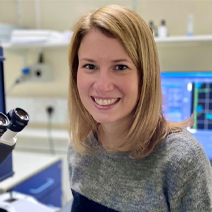
FUS is a protein that regulates the production of other proteins and is known to be dysfunctional in MND. This project aims to understand how the disruptions to protein production caused by FUS alter the function of nerve cells and their connection to muscles. Once it is understood how nerve cells are damaged, the project will move on to investigating if it is possible to correct this damage. Understanding the changes to nerve cells in MND is crucial to designing new and effective treatments.
Find out more about this project
September 2022 - August 2026
Dr Ross Byrne (Trinity College Dublin)
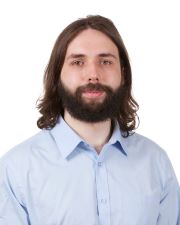
Some people with MND experience cognitive or behavioural symptom and also have frontotemporal dementia (FTD). Previous research has suggested that these symptoms may have a genetic cause. However, currently little research has been done to identify which genes and pathways might be involved. Dr Byrne’s fellowship project will analyse data from the largest studies of genetic factors contributing to MND and cognitive symptoms to identify shared genetic factors (which contribute to both cognitive decline and MND) and distinct genetic factors (which contribute purely to motor symptoms in MND). It is hoped that this could help with grouping people with MND for clinical trials, and in understanding the causes of cognitive symptoms in MND.
Find out more about this project
September 2023- August 2026
Dr Tobias Moll (University of Sheffield)
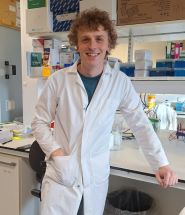
Tiny structures on the surface of brain, called membrane lipid rafts, play an important role in this communication. Previous research has shown that these structures do not work properly in models of a specific genetic type of MND, called SOD1 MND, and that the function of the rafts could be boosted using a protein (caveolin-1) which protects nerve cells. Dr Moll's research aims to investigate if membrane lipid rafts are also faulty in other genetic types of MND and test whether increasing the production of caveolin-1 could reduce damage to nerve cells.
Find out more about this project
April 2024 - March 2027
Dr Daniel Solomon (King's College London)
In the most common form of genetic MND, C9orf72, the gene changes lead to the production of toxic proteins called dipeptide repeat proteins (DPRs). These toxic proteins disrupt the movement of other proteins between different parts of a motor neuron. TDP-43 is one of the proteins which is impacted by dipeptide repeat proteins and is thought to play a key role in motor neuron death. TDP-43 gets stuck in the wrong area of the motor neuron and becomes faulty. Dr Solomon's fellowship project aims to understand why dipeptide repeat proteins disrupt the movement of proteins like TDP-43 and if there is a way of correcting their movement in MND.
Find out more about this project
July 2024 - June 2027
Dr Yiran Wang (University College London and the Francis Crick Institute)

Some proteins can become ‘lost’ in MND and move from the nucleus of the cell, where they should exist, to another part called the cytoplasm. This movement of proteins mean that they are no longer able to function as they should and this can have many effects including the corruption of RNA messages created from DNA. Dr Wang's fellowship project will use cell models of MND to understand more about the biological mechanisms that underlie the misplacement of proteins within neurons. It will also look at how these mechanisms might contribute to the development and progression of MND.
Find out more about this project
May 2024 - June 2027
Dr Oscar Wilkins (University College London)

The nuclear protein, TDP-43, prevents unnecessary pieces of genetic material, called cryptic exons, from being mistakenly included in the final instructions (mRNA) that the cell uses to make proteins. In most cases of MND, however, TDP-43 moves out of the nucleus and accumulates in the cytoplasm of nerve cells, allowing defective mRNA instructions to be made in the nucleus. Oscar has previously developed a method, called TDP-REG, that uses this faulty system to sneak into the cell and activate potentially therapeutic genetic fragments that are hidden in cryptic exons. The elegance of this method is that the therapies are only activated in diseased cells, which reduces the risk of side effects, creating new treatment options for MND that might otherwise be too risky. This project will use AI along with cell and animal models of MND to improve the safety of the TDP-REG technology and reduce the risk of off-target activation in healthy cells.
Find out more about this project
February 2025 - January 2028
Dr Marjorie Metzger (Trinity College Dublin)

Different types of motor neuron diseases affect different networks within the brain. ALS typically affects both upper and lower motor neurons, whereas Primary Lateral Sclerosis (PLS) typically affects just the upper motor neurons. It is hard to distinguish between PLS and early stages of ALS as the symptoms are very similar, and this means that diagnosis is often delayed. This project is using a new brain imaging technique to explore how the activity of brain networks change in ALS and PLS. This new method records the brain’s electrical activity to measure brain activity while resting and could help to reveal more about changes that occur in the brain networks in disease. Dr Metzger will test this new technique in people with ALS, PLS and healthy controls to observe changes in brain network activity.
Find out more about this project
June 2025 - May 2028
Dr Holly Spence (University of Aberdeen)
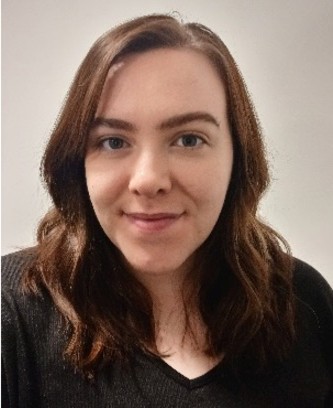
Research suggests that there are different subtypes of MND, but being able to identify these different subtypes is challenging. One subtype is called oxidative MND, and is thought to be present in around 60% of people with MND. This research, led by Dr Holly Spence, is investigating how ferritin, which is a specific form of iron stored in the body, can be measured by MRI and used to identify and group different types of MND. The researchers will explore how ferritin levels can be used alongside protein and blood-based markers to detect oxidative MND.
Find out more about this project
February 2026 - January 2029
Dr Bjorn Vahsen (University of Aberdeen)

Dr Björn Vahsen is leading a Fellowship project exploring the role of microglia, which are the immune cells of our brains and spinal cords, in MND. Microglia normally help protect the brain and support nerve cell function, but in MND and FTD they start harming healthy nerve cells. This project will explore whether a specific immune process in microglia, called the complement system, is responsible for damaging motor neurons in C9orf72-MND, which is the most common genetic form of MND. Björn will explore whether blocking this process is able to protect motor neurones, which may uncover new ways to slow disease progression in MND.
Find out more about this project
February 2026 - January 2029
Dr Heather Marriott (University of Sheffield)
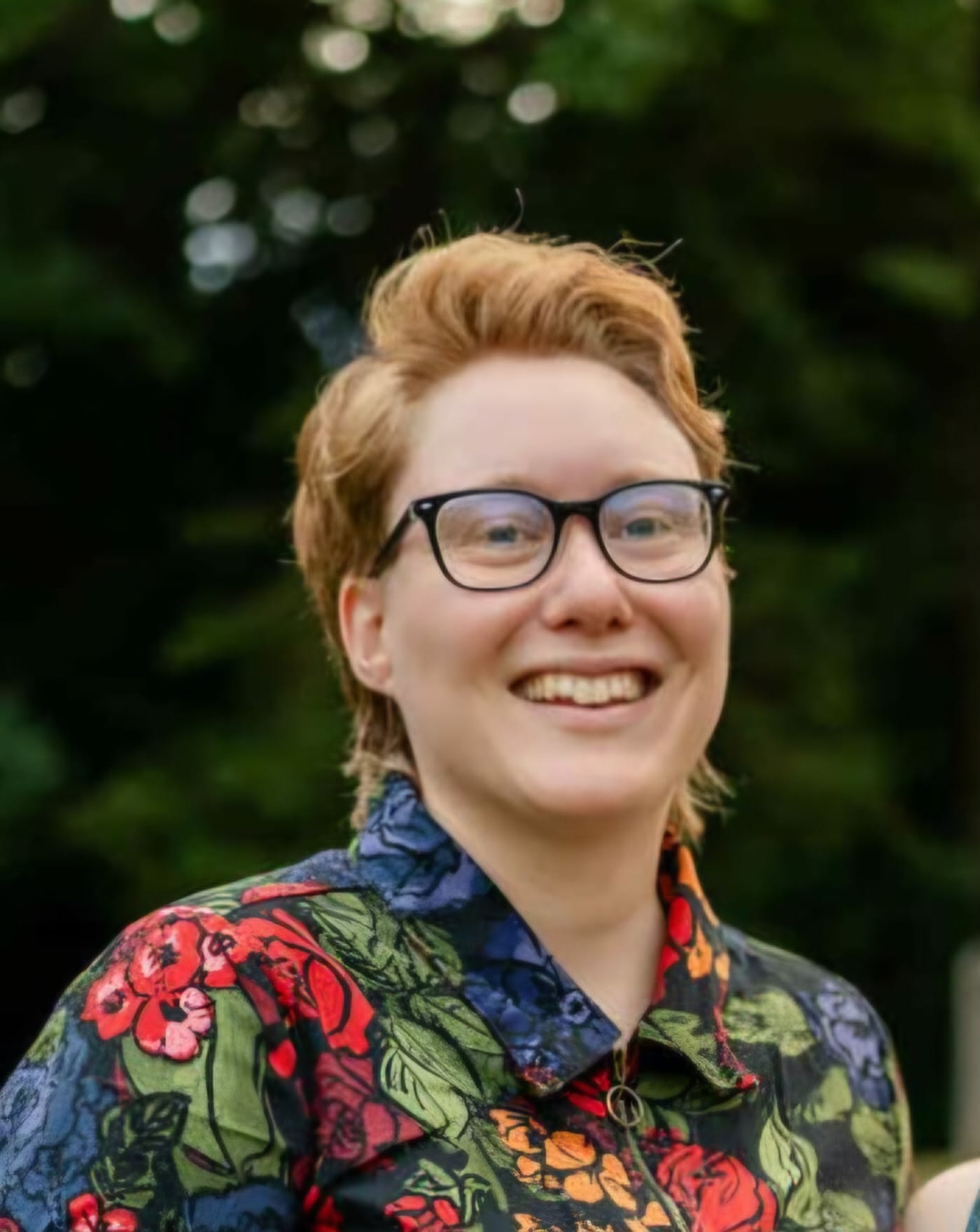
Research suggests that while the symptoms of MND can look similar, the underlying biology may vary greatly between different people. However, current diagnosis and treatment decisions are mostly based on clinical features alone. To uncover clues about what is driving the disease in different people, Dr Heather Marriott previously identified different subtypes of MND based on trends in gene activity, which means looking at which genes were turned on and off in different people with MND. Now, Heather will build on this research by developing a tool that combines multiple types of biological data into a scoring system that can be used to better classify, understand and ultimately treat different types of MND. It is hoped that the tool will be able to use lots of different types of data collected from people with MND, and work even if some biological data is missing, which will make it more useable in real-world clinical settings.
Find out more about this project
February 2026 - January 2029
Dr Matthew White (Kings College London)
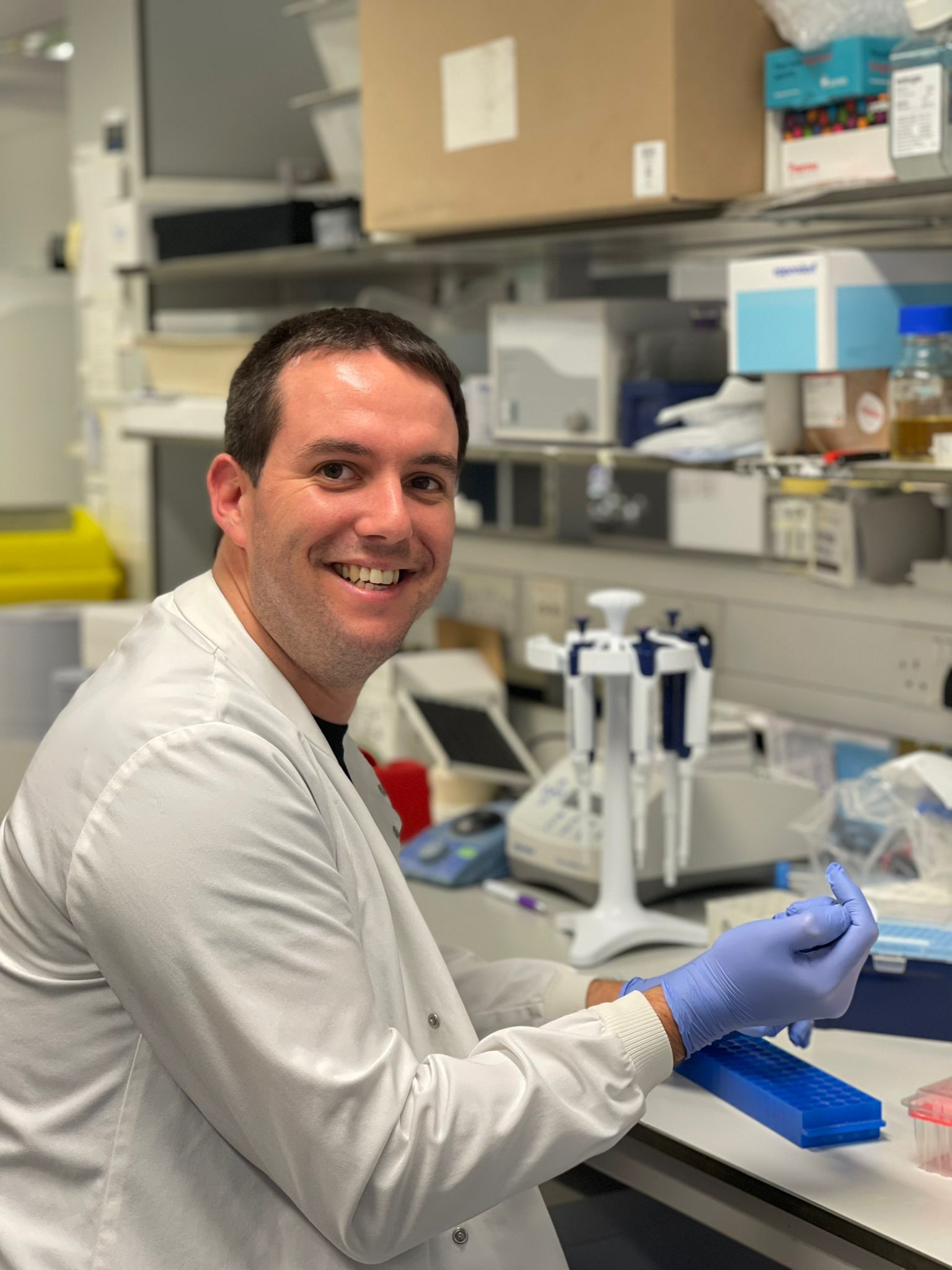
RNA binding proteins (RBPs) are involved in the production of other proteins. Several RBPs are linked to MND, such as TDP-43 and FUS. The nervous system is made up of lots of different types of cells including neurones and support cells. The project will involve growing a mixture of different types of cells in the lab and identify which types of cells are the most vulnerable to problems with RBPs and why. Dr White will then look for ways to protect these vulnerable cells with the aim of finding new targets for treatments.
Find out more about this project
May 2025 - April 2029
Dr Katie Hanna (University of Strathclyde)
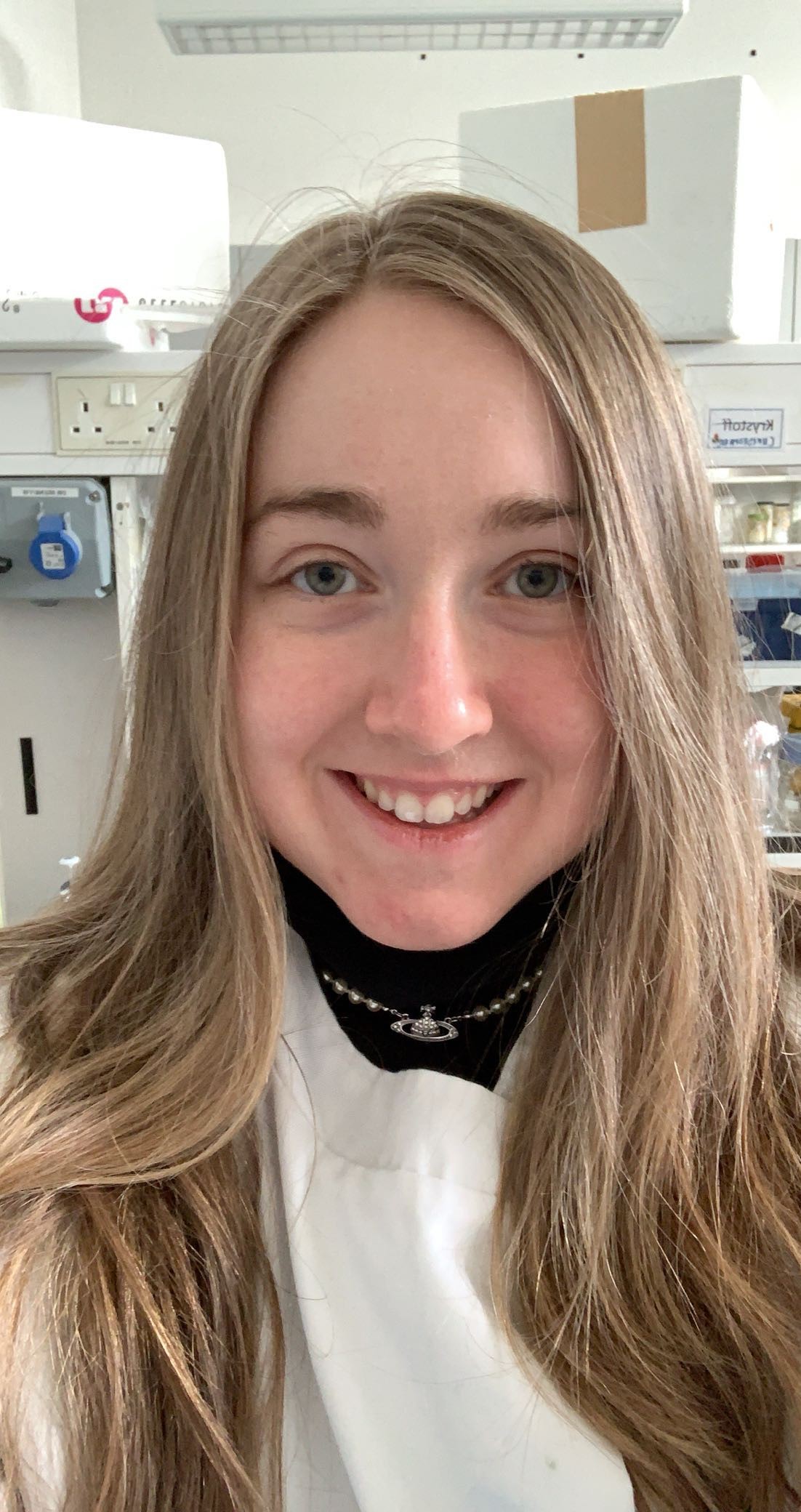
Evidence suggests that there are changes in other parts of the body, such as the skin, that occur in MND before symptoms start. This research project, led by Dr Katie Hanna, is exploring whether the skin can be used to detect MND before symptoms develop. Katie will combine digital analysis of skin samples with a laser-based technique called Raman spectroscopy, which can show unique chemical fingerprints in different samples. These methods will be used to help to identify reliable markers of MND from accessible sites like the skin.
Find out more about this project
March 2026 - February 2029
Previous Non-Clinical Research Fellows
- Dr Scott Allen (University of Sheffield) | January 2016 - March 2019
- Dr Martina Hallegger (University College London) | January 2016 - December 2019
- Dr Ashley Jones (King's College London) | March 2016 - August 2019
- Dr Russel McLaughlin (Trinity College Dublin) | January 2016 - September 2019
- Dr Matt Gabel (Previously University of Sussex, now at the University of Oxford) | July 2017 - June 2019
- Dr Patricia Gomez-Suaga (King's College London) | May 2018 – July 2021
- Dr Barney Bryson (University College London) | August 2017 - September 2022
- Dr Andrew Tosolini (University College London) | November 2021 - April 2023
- Dr Dezerae Cox (University of Cambridge) | July 2021 - October 2023
- Dr Daniel Scott (University of Nottingham) | August 2019 - January 2024
- Dr Gareth Wright (Previously at University of Liverpool, now at University of Essex) | April 2019 - March 2024
- Dr Tatyana Shelkovnikova (Previously at Cardiff University, now at University of Sheffield) | September 2018 - June 2024
- Dr Roisin McMackin (Trinity College Dublin) | April 2021 - September 2024
- Dr Ahmad Al Khleifat (King's College London) | January 2022 - March 2026
- Dr Zsofia Laszlo (University of Dundee) | February 2022 - April 2026